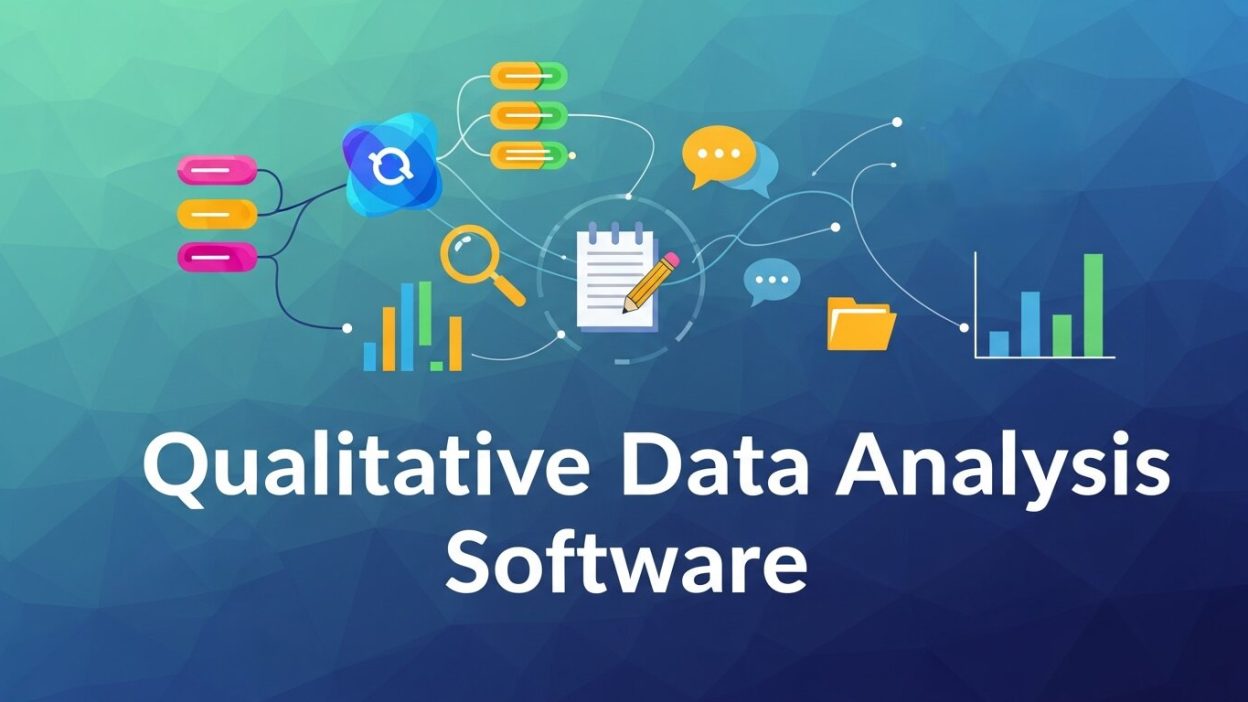
Qualitative data analysis is the backbone of understanding complex human behaviors, opinions, and motivations. Whether you’re a researcher exploring themes in interview transcripts, an academic analyzing texts, or a data analyst uncovering insights from social media conversations, qualitative analysis helps you interpret non-numerical data to tell a story.
However, manually sifting through vast datasets can be time-consuming, prone to error, and overwhelming. This is where qualitative data analysis software (QDAS) steps in, simplifying the process and enhancing accuracy.
This guide will walk you through the importance of qualitative data analysis software, the benefits it offers, key features to look out for, and a list of top tools to consider. By the end, you’ll understand how to choose the right software to transform your research process.
What Is Qualitative Data Analysis Software (QDAS)?
Qualitative data analysis software refers to digital tools designed to help researchers process, organize, and interpret non-numerical data such as text, video, audio, or images. It is widely used to identify patterns, relationships, and themes across datasets in fields like social sciences, marketing, journalism, and healthcare research.
Notably, QDAS simplifies tedious tasks like coding, annotating, and categorizing data. It ensures a more structured, systematic approach, ultimately reducing human error and improving the reliability of your findings.
For researchers aiming to meet academic rigor or businesses seeking actionable insights, these tools have become indispensable.
Why Use Qualitative Data Analysis Software?
Gone are the days of sticky notes and manual coding on printed documents. Qualitative data analysis software provides several benefits that make it a worthy investment for any researcher or organization.
1. Time Efficiency
Analyzing large volumes of data manually can take weeks or even months. Advanced software automates much of the process, from importing data to categorizing and visualizing it.
2. Improved Organization
With features like tagging, categorization, and keyword searches, QDAS ensures that your research remains well-organized, even when dealing with massive datasets.
3. Enhanced Collaboration
Many tools are cloud-based and enable team collaboration, allowing multiple researchers to work on datasets simultaneously.
4. Better Insights
Software enables more in-depth analysis through features like sentiment analysis, qualitative coding, and visualization tools. This means you can uncover hidden trends that you may otherwise overlook.
5. Accuracy
Manual errors can skew your findings, but QDAS uses algorithmic precision to ensure accurate analysis of your data.
Key Features to Look for in Qualitative Data Analysis Software
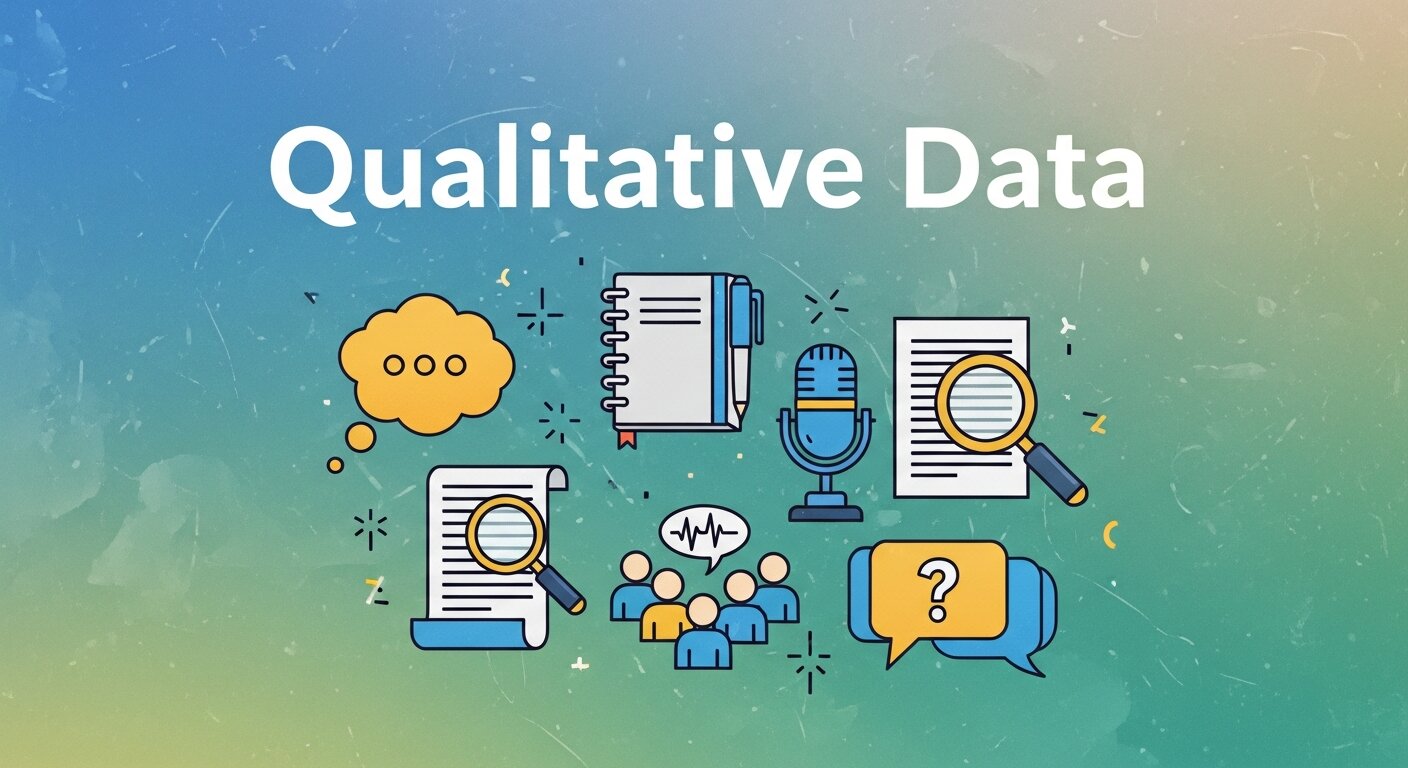
Choosing the right software involves understanding what features align with your research needs. Here are some essential functionalities to keep in mind:
1. User-Friendly Interface
- Look for intuitive tools that don’t require a steep learning curve.
- A clean interface saves time and reduces frustration.
2. Flexible Import Options
- The ability to import various file types (text, audio, video, PDFs) is crucial for diverse research needs.
3. Coding and Tagging
- Effective software should allow you to assign tags or codes to data segments and create hierarchies.
4. Data Visualization
- Essential for spotting meaningful patterns, charts, word clouds, and timelines make your data easier to interpret at a glance.
5. Collaboration Tools
- Cloud compatibility and user-access controls foster teamwork for larger projects.
6. Search and Query Functions
- Advanced filters and search capabilities ensure you access exactly what you need without scrolling through countless files.
7. Integration and Compatibility
- Check for compatibility with other tools you’re using, such as Microsoft Excel, SPSS, or Tableau.
Top Qualitative Data Analysis Software to Consider
Here’s a snapshot of some of the most popular QDAS tools currently on the market, their strengths, and ideal use cases.
1. NVivo
NVivo is one of the most well-known options for qualitative data analysis. It offers powerful tools for coding, organizing, and visualizing complex datasets.
- Best for: Academics and researchers dealing with diverse datasets (text, video, audio).
- Unique feature: Integration with survey platforms like SurveyMonkey.
- Pricing: Starts at $124.00/month.
2. MAXQDA
MAXQDA is a versatile tool widely used across disciplines. It handles text, multimedia, and mixed-methods research seamlessly.
- Best for: Mixed-methods research and social sciences.
- Unique feature: TeamCloud for collaboration on group projects.
- Pricing: Starts at $116/month.
3. ATLAS.ti
ATLAS.ti brings powerful analytics within a straightforward interface. It excels at breaking down complex datasets for easy interpretation.
- Best for: Beginners and budget-conscious data analysts.
- Unique feature: Automated sentiment analysis.
- Pricing: Free plan available; paid plans start at $10 per month.
4. Dedoose
Dedoose brings affordability and accessibility to the table with cloud-based storage and a pay-as-you-use model.
- Best for: Small teams on a budget.
- Unique feature: Excellent for mixed methods and collaborative projects.
- Pricing: Starts at $14.95/month.
5. Quirkos
This user-friendly tool is perfect for those who want qualitative analysis without the steep learning curve.
- Best for: Simple projects and solo researchers.
- Unique feature: Drag-and-drop interface for easy tagging.
- Pricing: Starts at $16/month.
How to Choose the Right Software for Your Needs
Selecting the right tool isn’t a one-size-fits-all decision. Here are some steps to simplify your selection process and ensure you invest wisely.
1. Identify Your Research Needs
Are you working with text-heavy data, video/audio files, or all of the above? Make sure the software can handle your specific file formats.
2. Evaluate Usability
If you’re new to QDAS, choose a tool with a friendly interface and robust customer support. Tutorials and community forums can also expedite onboarding.
3. Consider Collaboration Features
For teams, ensure that the software supports multiple users and real-time collaboration. Cloud-based tools often perform best in this area.
4. Check Integration Options
Make sure the software integrates with research tools and platforms already in use, such as Excel, Slack, or Google Workspace.
5. Review Pricing
Invest in a plan that aligns with your budget without sacrificing vital features. Many QDAS tools offer free trials, so take advantage of these to evaluate functionality.
Integrating Web Insights into Qualitative Research
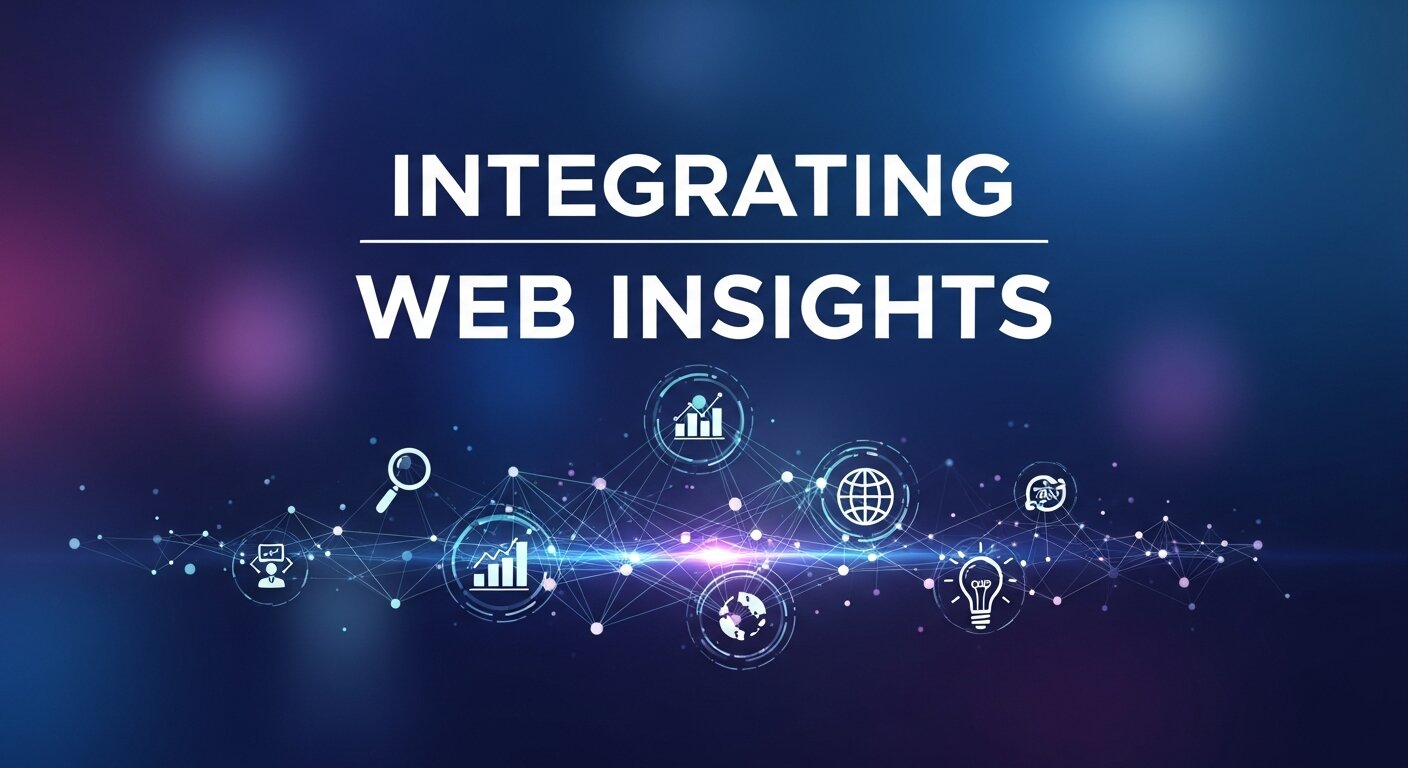
Modern research often combines narrative insights with behavioral metrics from digital platforms. By incorporating Google Analytics Data Analysis into qualitative workflows, researchers can connect user behavior with interview findings or open-ended feedback. For example, website interaction data can highlight where users drop off, while qualitative responses explain why they disengage. This blended approach strengthens conclusions by adding contextual depth to numerical trends. Instead of treating qualitative and quantitative data separately, researchers can align behavioral tracking with thematic coding. The result is a richer, more comprehensive understanding of audience intent, digital engagement patterns, and decision-making behavior across platforms, leading to more actionable and strategically aligned insights.
Strengthening Organizational Strategy Through Workforce Insights
Understanding employee experiences is just as critical as understanding customers. By applying qualitative research methods alongside People Analytics, organizations gain deeper visibility into workplace culture, engagement levels, and performance challenges. Interviews, feedback surveys, and focus group discussions reveal motivations and concerns that raw HR metrics alone cannot capture. When qualitative findings are aligned with workforce data, leaders can make more informed decisions about talent development, retention strategies, and team productivity. This combined approach fosters transparency and trust while supporting evidence-based HR policies. Companies that integrate human-centered insights with workforce metrics are better equipped to create inclusive, high-performing environments.
Bridging Structured and Unstructured Data
Qualitative projects often generate unstructured data such as transcripts, notes, and multimedia files. However, combining these with structured metrics enhances overall clarity. Through advanced Data Information Analysis, researchers can connect coded themes with measurable indicators like response frequency or demographic segmentation. This integration allows patterns to emerge more clearly and supports more defensible research conclusions. Instead of relying solely on interpretation, analysts can validate themes with supporting data relationships. By merging structured and unstructured sources, organizations achieve a holistic analytical framework that supports smarter planning, improved reporting accuracy, and stronger stakeholder confidence in research findings.
Enhancing Digital Research with Behavioral Platforms
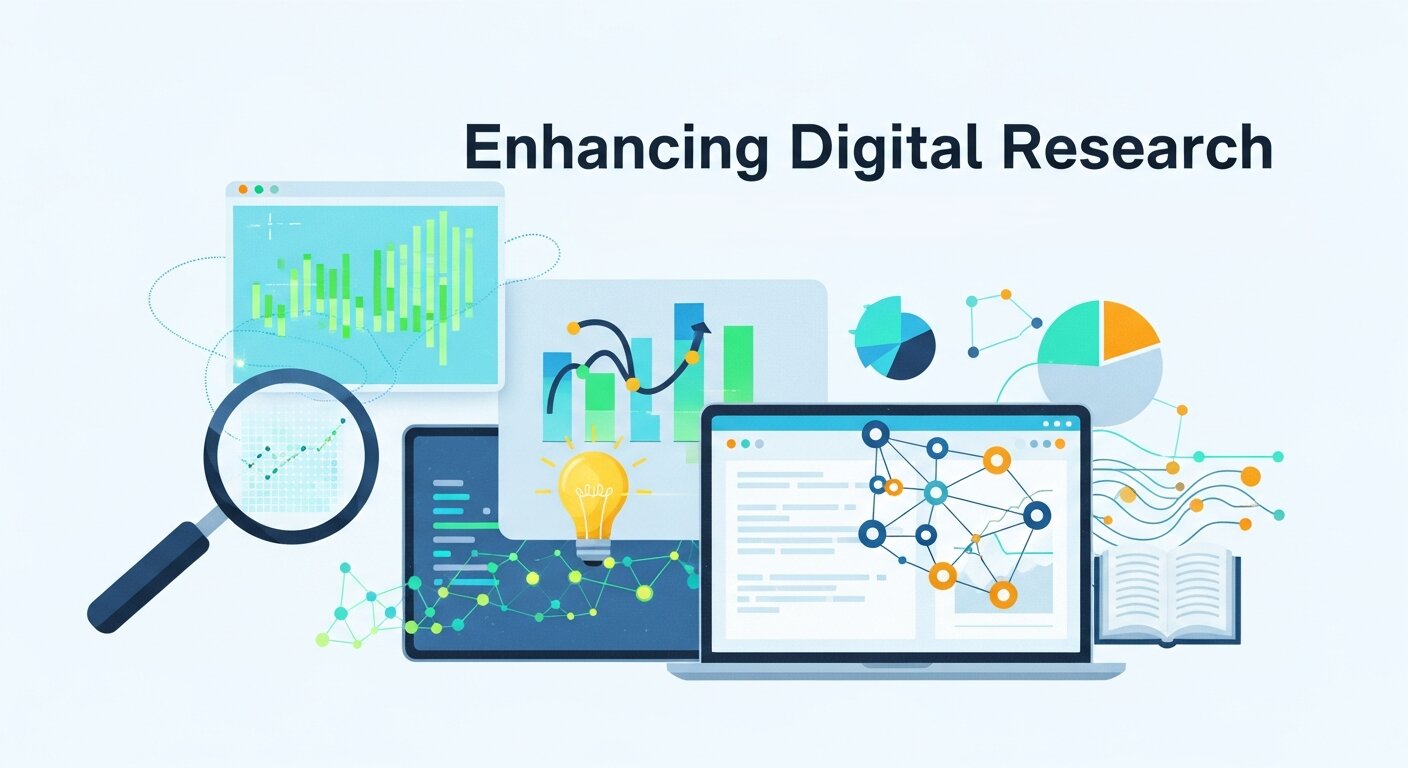
Digital ecosystems generate continuous streams of behavioral data that complement qualitative findings. Tools like Google Analytics provide valuable insights into traffic sources, user journeys, and engagement metrics. When researchers align these metrics with interviews or survey responses, they gain a layered understanding of audience behavior. For instance, analytics might reveal high bounce rates on a webpage, while qualitative feedback explains usability concerns or unclear messaging. This synergy improves decision-making in marketing, product design, and communication strategies. Integrating behavioral tracking with narrative research ensures that insights are both data-driven and human-centered, strengthening the overall impact of research outcomes.
Driving Evidence-Based Decision Making
Organizations today require decisions grounded in both measurable performance indicators and contextual understanding. Combining qualitative coding with broader analytical systems enables leadership teams to interpret complex scenarios with greater confidence. Narrative feedback explains the “why” behind performance shifts, while supporting metrics validate the scale and urgency of those changes. This balanced framework reduces guesswork and improves strategic clarity. By embedding qualitative tools into wider data ecosystems, businesses ensure that insights move beyond surface-level observations. The outcome is more resilient planning, stronger stakeholder alignment, and improved adaptability in rapidly evolving markets where informed decisions are essential for sustained growth.
Future-Proofing Research with Integrated Analytics
As data environments continue evolving, researchers must adopt integrated analytical approaches. Combining qualitative software capabilities with external data systems ensures scalability and long-term relevance. Automated tagging, cloud collaboration, and cross-platform compatibility allow teams to manage increasingly complex datasets efficiently. When qualitative findings are enriched with digital performance metrics and workforce indicators, organizations gain multidimensional perspectives. This future-focused model enhances innovation, supports continuous improvement, and prepares teams for emerging analytical demands. By embracing integrated research ecosystems, professionals can transform isolated insights into strategic intelligence that drives measurable impact across academic, corporate, and digital landscapes.
Unlock the Power of Qualitative Data Analysis
Qualitative data analysis software is no longer just a luxury; it’s a necessity for researchers, academics, and data analysts striving to gain insights efficiently. By organizing data, automating repetitive tasks, and offering deeper analysis, these tools have transformed research across industries.
Whether you’re conducting in-depth interviews, analyzing survey responses, or exploring digital conversations, the right tool can elevate your research from tedious to transformational.
Ready to simplify your qualitative analysis? Explore popular software like NVivo, MAXQDA, and ATLAS.ti to find what fits best for your needs.
Frequently Asked Questions (FAQ)
1. What is qualitative data analysis software (QDAS)?
Qualitative Data Analysis Software (QDAS) refers to digital tools designed to help researchers organize, code, analyze, and interpret non-numerical data such as text, audio, video, and images. Platforms like NVivo and ATLAS.ti enable users to structure large volumes of unstructured data and identify meaningful themes and patterns efficiently.
2. Who should use qualitative data analysis software?
QDAS is ideal for academic researchers, social scientists, market researchers, journalists, healthcare professionals, and business analysts. Anyone working with interviews, focus groups, open-ended survey responses, or multimedia data can benefit from tools like MAXQDA or Dedoose to streamline their workflow.
3. What are the main benefits of using QDAS?
The primary benefits include improved organization, faster coding, enhanced collaboration, better visualization of themes, and increased accuracy. Software reduces manual workload and allows researchers to focus more on interpreting insights rather than managing files.
4. Can qualitative data analysis software handle multimedia files?
Yes, most modern QDAS platforms support text documents, PDFs, audio recordings, video files, and images. Tools such as NVivo and MAXQDA are particularly strong in handling diverse data formats.
5. Is qualitative data analysis software difficult to learn?
The learning curve depends on the software. Some tools like Quirkos are designed with beginner-friendly interfaces, while others offer more advanced features that may require training. Many providers include tutorials, documentation, and customer support to help new users get started.
6. How does QDAS improve research accuracy?
QDAS improves accuracy by systematizing coding processes, minimizing human error, and enabling consistent tagging and categorization. Advanced search and query functions also ensure researchers can quickly verify and cross-reference findings.
7. Can teams collaborate using qualitative data analysis software?
Yes, many platforms offer cloud-based collaboration features. Tools like Dedoose allow multiple users to work on the same project simultaneously, making them ideal for group research and institutional projects.
8. Is there free qualitative data analysis software available?
Some QDAS tools offer free versions or trial plans. For example, ATLAS.ti provides limited free options, allowing users to test features before committing to a paid plan.
9. How do I choose the best QDAS for my project?
Choosing the right tool depends on your data type, project size, collaboration needs, budget, and required features. Evaluating free trials and comparing functionalities can help you make an informed decision.
10. Is qualitative data analysis software suitable for small projects?
Yes, QDAS can be beneficial for both small and large projects. Even solo researchers working with limited datasets can save time and improve organization by using tools such as Quirkos.