


Voice chatbots are everywhere. From offering customer support to streamlining sales inquiries, they’ve become an integral part of how businesses interact with their customers. But not all voice chatbots are created equal. Some engage with users seamlessly, while others frustrate customers with inaccurate responses or robotic interactions.
Why Accuracy and Engagement Matter
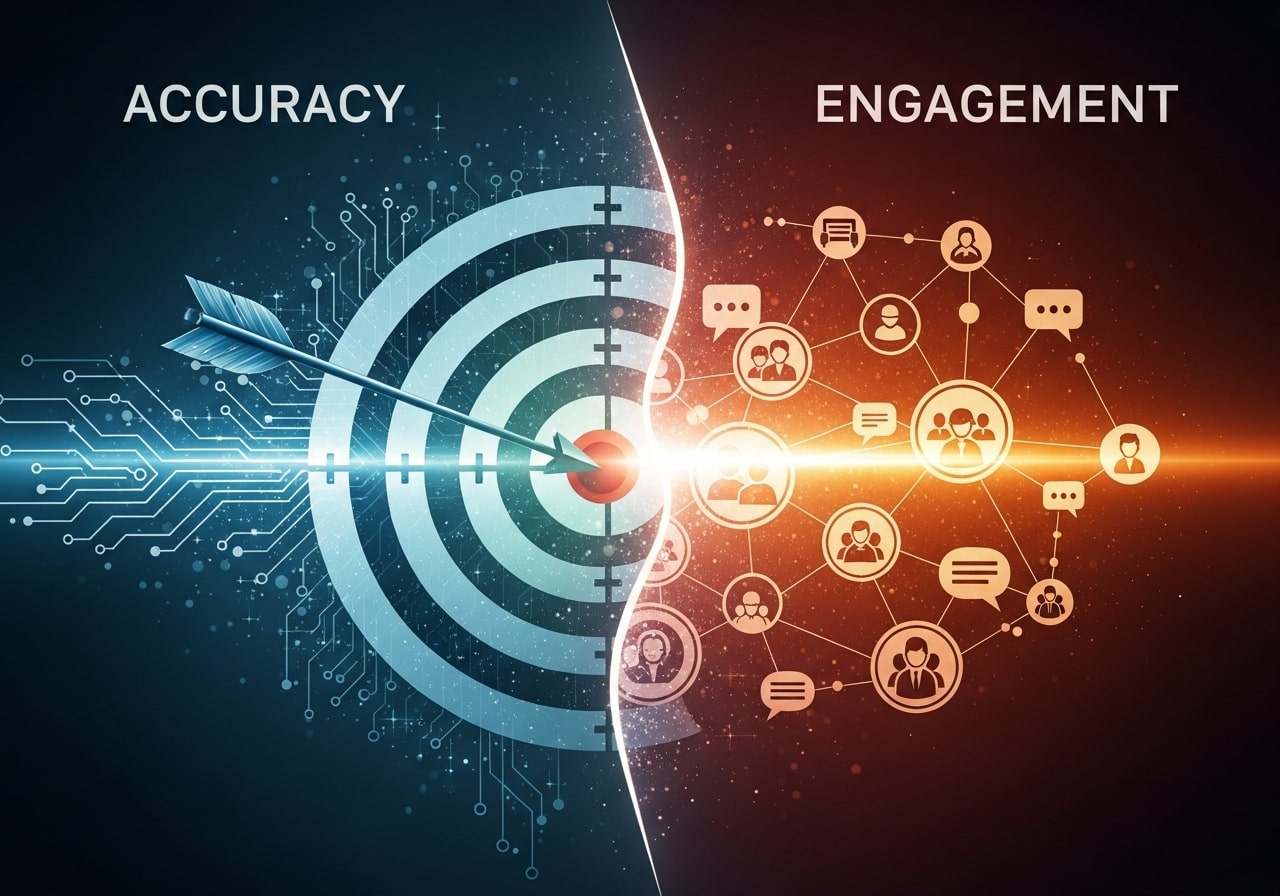
Voice chatbots are often the first point of contact for customers, meaning they play a crucial role in shaping impressions about your brand. Accuracy ensures the chatbot understands user queries correctly, while engagement determines how well it keeps customers interacting with your service.
When bots fail to meet these standards, the consequences can be severe:
- Frustrated Customers: Misunderstood questions or irrelevant answers can lead customers to abandon the interaction altogether.
- Brand Reputation: A poor chatbot experience can tarnish your company’s trustworthiness and credibility.
- Lost Opportunities: Inefficient bots mean missed chances to resolve concerns or upsell products.
This is where data analysis comes in. By leveraging data intelligently, businesses can fine-tune their chatbots, leading to remarkable improvements.
How Data Analysis Enhances Chatbot Accuracy
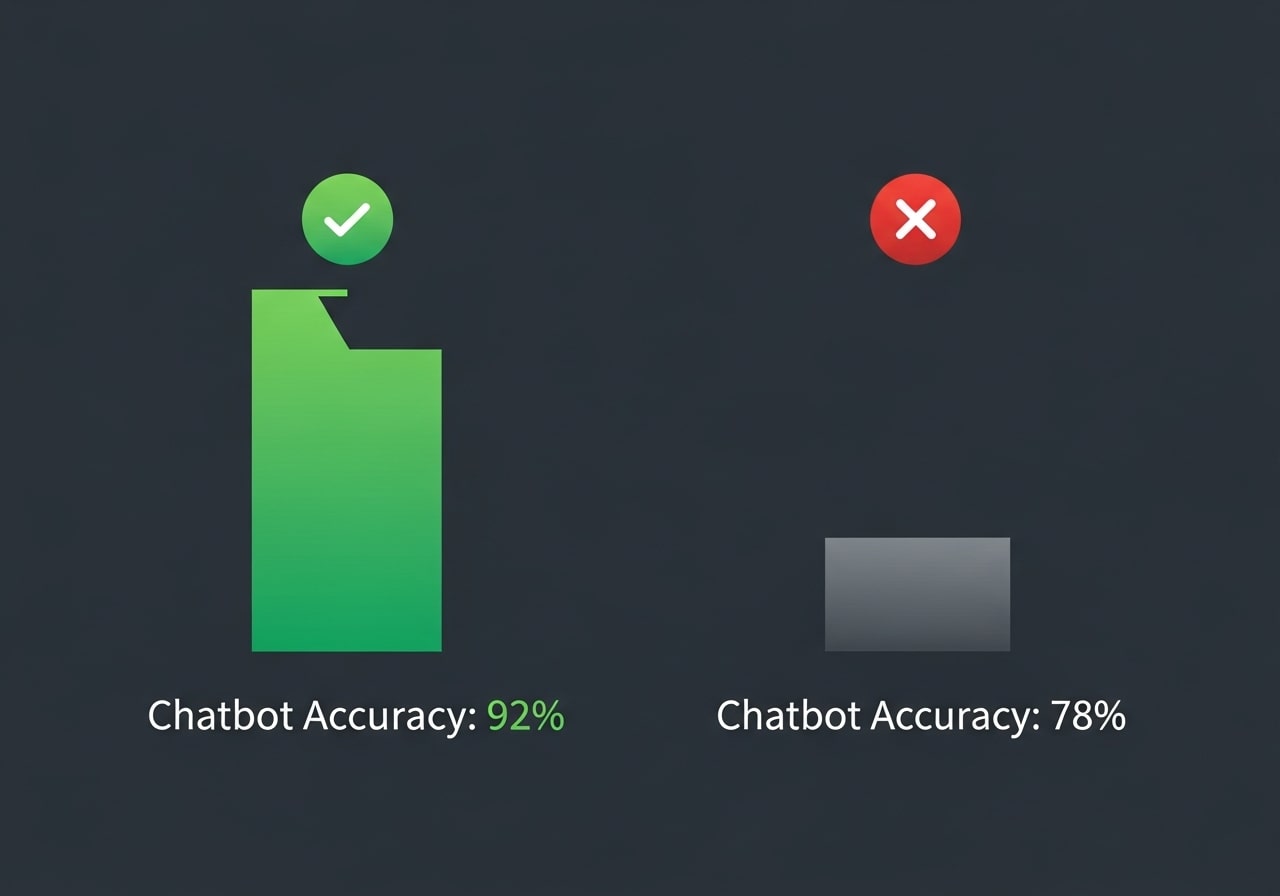
Understanding User Intent Through Interaction Data
Every interaction a chatbot has with a customer generates data. By analyzing this data, businesses can better understand user intent. For instance:
- Analyze frequent keywords or phrases to identify recurring topics and optimize the chatbot’s training models accordingly.
- Review misunderstood queries to pinpoint areas where the chatbot requires better contextual understanding and response articulation.
For example, if a healthcare chatbot frequently fails to interpret “How do I manage my prescription?”, you might train it to link “manage” with tasks like refilling or updating prescriptions.
Pro Tip
Conduct regular audits of chatbot conversations to identify commonly misunderstood topics and retrain your algorithms as needed.
Leveraging Natural Language Processing (NLP)
Natural Language Processing (NLP), powered by data analysis, helps voice chatbots understand the nuances of human language. By examining real interactions, NLP algorithms can:
- Recognize variations in sentence structures.
- Understand slang or regional dialects.
- Detect emotional intent using tone and keyword analysis.
For instance, a retail voice chatbot could distinguish between a frustrated “I didn’t get my delivery” and a polite “When will my delivery arrive?” by analyzing tone or syntax.
Investing time in refining your NLP model using interaction data ensures your chatbot is capable of interpreting queries more contextually.
Identifying and Eliminating Biases in Machine Learning Models
Voice chatbots learn from historical data, but that data may inadvertently include biases. By analyzing training datasets thoroughly, businesses can spot these biases and update chatbot responses.
For example:
- A banking chatbot might suggest savings accounts primarily to male users if its training data contained a demographic bias.
- Geographic biases could affect product recommendations if not addressed.
Regularly scrubbing data for bias ensures your chatbot delivers fair and accurate results across all users.
Integrating Voice Chatbots with CRM Systems

Integrating voice chatbots with Customer Relationship Management (CRM) systems allows businesses to provide more personalized and efficient interactions. When chatbots have access to customer data, such as purchase history or previous queries, they can tailor responses in real-time. This integration also helps in automatically logging conversations, tracking engagement metrics, and alerting sales or support teams for follow-up actions. By connecting chatbots to CRM systems, businesses can not only improve response accuracy but also streamline workflows, reduce repetitive tasks for human agents, and provide a seamless customer experience that increases satisfaction and retention.
Voice Chatbots in E-commerce
Voice chatbots are transforming the e-commerce landscape by enabling hands-free browsing, instant product recommendations, and streamlined checkout experiences. Through data analysis, chatbots can suggest products based on previous purchases, search behavior, or seasonal trends. They can also guide users through complex purchase journeys, answer questions about availability or shipping, and provide personalized discounts. By leveraging voice interactions, e-commerce businesses can increase conversion rates, reduce cart abandonment, and create a more interactive shopping experience. Smart chatbots enhance customer loyalty by making online shopping faster, easier, and more enjoyable for users.
Enhancing Customer Support with Chatbots
Voice chatbots are particularly effective in customer support by handling repetitive inquiries, triaging issues, and providing instant solutions. Data analysis allows chatbots to identify common problems and continuously improve response accuracy. Integrating chatbots with support ticket systems ensures complex issues are escalated to human agents efficiently. Chatbots also reduce wait times and allow businesses to provide 24/7 support, improving overall satisfaction. By tracking engagement metrics, businesses can identify bottlenecks in support processes and adjust chatbot scripts to better serve customers. This leads to faster resolutions, happier clients, and a more efficient support operation.
Using Chatbots for Lead Generation
Voice chatbots can actively contribute to lead generation by initiating conversations with website visitors, asking qualifying questions, and collecting contact information. Data analysis enables chatbots to segment leads based on engagement levels, interests, and demographics. They can also guide prospects through product demos, answer initial queries, and schedule follow-up calls with sales teams. This automation reduces the need for manual outreach while increasing lead conversion rates. By personalizing interactions, businesses can create a seamless onboarding experience for potential clients, capturing more high-quality leads and improving the efficiency of their sales funnel.
Multilingual Voice Chatbots
Multilingual voice chatbots allow businesses to communicate with a global audience by supporting multiple languages and dialects. Data analysis helps determine which languages or regions to prioritize based on customer interactions and traffic sources. NLP models can be trained to handle language-specific nuances, slang, and cultural context, ensuring accurate understanding. Multilingual chatbots enhance accessibility and inclusivity, allowing users to interact naturally in their preferred language. This capability not only expands market reach but also improves customer experience and engagement. Businesses can build trust and loyalty by making sure their chatbot communicates effectively across diverse user groups.
Monitoring Chatbot Performance with Analytics Dashboards
Using analytics dashboards to monitor voice chatbot performance provides real-time insights into engagement, accuracy, and user satisfaction. Dashboards can display key metrics such as conversation completion rates, fallback queries, average response times, and CSAT scores. By visualizing this data, businesses can identify trends, track improvements over time, and make informed decisions on script adjustments or workflow changes. Dashboards also help teams quickly detect technical issues or bottlenecks, ensuring consistent performance. With clear visual analytics, companies can continuously optimize chatbot functionality, improve customer interactions, and ensure that the chatbot delivers tangible business value.
Using Data to Boost Chatbot Engagement
While accuracy is crucial, engagement ensures customers genuinely enjoy and benefit from using your chatbot. Here are five ways data analysis can enhance chatbot engagement:
1. Personalization at Scale
Data provides rich insights into user preferences, behaviors, and history. By incorporating user-specific details like past purchases or location, voice chatbots can offer highly personalized interactions.
- For instance, a food delivery chatbot might suggest, “Would you like to reorder your favorite pepperoni pizza?”
Action Step
Segment your user data and integrate it with your chatbot to deliver dynamic, personalized responses.
2. Optimizing Response Time
Customers expect instant responses from voice chatbots. Data analysis can reveal areas of lag in response times or instances where the chatbot passed queries to human agents unnecessarily. Use this data to:
- Streamline chatbot workflows.
- Reduce processing delays by fine-tuning algorithms.
The result? A faster, more responsive bot that improves customer satisfaction.
3. Designing Conversational Chat Flows
Chatbots that guide users effectively can keep them engaged longer. Analyzing conversation drop-off points shows where the chatbot may be losing momentum. Does it happen when asking too many questions? Are prompts irrelevant?
By improving conversational flows, you can maintain customer engagement and guide them toward the desired outcomes, whether that’s resolving a query or completing a purchase.
4. Integrating Feedback Loops
Customer feedback is a goldmine for improvement. Analyzed alongside chatbot interaction data, it offers guidance for engagement upgrades. Ask users:
- Was the interaction helpful?
- How easy was it to get the information or service needed?
Tools like post-chat surveys or sentiment analysis can help gauge overall satisfaction and pinpoint improvement areas.
Example
A telecom chatbot can implement immediate survey pop-ups after troubleshooting queries to understand the user’s experience, tweaking responses accordingly.
5. A/B Testing for Enhanced Engagement
Running A/B tests on response styles or prompts allows you to see what resonates more with customers. For instance:
- Test whether conversational tones outperform formal tones.
- Try varying call-to-action phrases like “Need help?” versus “Ask me anything!”
With A/B testing and data-driven analysis, you’ll create experiences tailored to your audience.
Key Metrics to Track for Voice Chatbots
When leveraging data analysis, it’s essential to measure the right metrics to evaluate success. Focus on these key performance indicators (KPIs):
- Accuracy Rates: How often does the chatbot provide correct answers?
- Engagement Rates: How long are users interacting with the chatbot, and are they completing desired actions?
- Fallback Query Trends: Which queries are the chatbot unable to handle?
- Customer Satisfaction Scores (CSAT): How satisfied are users with their chatbot experience?
By consistently tracking these KPIs over time, your business can measure incremental improvements and make informed adjustments
Elevating Your Voice Chatbot Strategy
Voice chatbots are powerful tools, but their effectiveness hinges on continuous improvement fueled by data analysis. By understanding user behavior, refining NLP capabilities, and prioritizing engagement metrics, businesses can create voice chatbot solutions that delight customers and improve operational efficiency.
Are you ready to elevate your chatbot game? Leverage the insights in this guide to transform your voice chatbot into an indispensable business asset.
Future Trends in Voice Chatbots
The future of voice chatbots is driven by AI, machine learning, and predictive analytics. Emerging technologies will allow chatbots to anticipate user needs, detect emotions more accurately, and provide proactive solutions. Integration with IoT devices, AR/VR, and wearable tech will create more immersive and interactive experiences. Advanced personalization using real-time data will make conversations feel even more human-like. Voice chatbots will increasingly handle complex transactions, multi-step processes, and cross-channel interactions. Businesses that embrace these innovations will gain a competitive advantage by improving efficiency, customer satisfaction, and engagement, while staying ahead in an ever-evolving digital landscape.
Frequently Asked Questions (FAQ)
1. What is a voice chatbot and how does it work?
A voice chatbot is an AI-powered system that interacts with users through spoken language. It uses speech recognition to understand user input, natural language processing to interpret intent, and machine learning models to generate accurate and relevant responses in real time.
2. Why is accuracy so important for voice chatbots?
Accuracy is critical because voice chatbots often act as the first point of contact between a business and its customers. Incorrect or irrelevant responses can frustrate users, reduce trust, and negatively impact brand perception, making accuracy essential for a positive user experience.
3. How does data analysis improve voice chatbot accuracy?
Data analysis helps identify patterns in user interactions, misunderstood queries, and common intent gaps. By analyzing this data, businesses can retrain chatbot models, refine NLP algorithms, and improve contextual understanding, resulting in more accurate responses over time.
4. What role does NLP play in voice chatbot engagement?
Natural Language Processing enables voice chatbots to understand conversational language, variations in phrasing, tone, and even emotional intent. Enhanced NLP capabilities make interactions feel more natural and engaging, encouraging users to continue the conversation instead of dropping off.
5. How can personalization increase voice chatbot engagement?
Personalization uses data such as user history, preferences, and location to tailor responses. When chatbots provide relevant recommendations or personalized suggestions, users feel understood, which increases engagement, satisfaction, and conversion rates.
6. What metrics should be tracked to measure voice chatbot performance?
Key metrics include accuracy rate, engagement duration, fallback query frequency, response time, and customer satisfaction scores. Tracking these KPIs helps businesses evaluate chatbot effectiveness and identify areas for improvement.
7. How often should voice chatbot data be analyzed and updated?
Chatbot data should be reviewed regularly, ideally on a continuous or monthly basis. Frequent analysis allows businesses to adapt quickly to changing user behavior, update training data, and maintain high performance and engagement levels.
8. Can data analysis help reduce chatbot bias?
Yes, data analysis can reveal biases in training datasets that may lead to unfair or inaccurate responses. By identifying and correcting these biases, businesses can ensure their chatbots provide consistent and inclusive experiences for all users.
9. How does A/B testing improve voice chatbot interactions?
A/B testing compares different response styles, tones, or conversation flows to determine which performs better. Data-driven insights from these tests help optimize engagement, clarity, and overall user satisfaction.
10. Is data analysis essential for long-term chatbot success?
Absolutely. Voice chatbots require continuous learning and refinement. Data analysis enables ongoing optimization, ensuring chatbots remain accurate, engaging, and aligned with evolving customer expectations over time.


