


Digital PR, once heavily reliant on intuition and traditional media relationships, is undergoing a data-driven transformation. Today, the intersection of data analysis and digital PR is reshaping how brands communicate and build their reputations. With data now acting as a compass, PR professionals uncover actionable insights that elevate both strategy and results.
The Current State of Digital PR
Digital PR in today’s landscape involves much more than press releases and media pitching. It’s a multifaceted strategy aimed at increasing online visibility, securing backlinks, and strengthening brand authority.
Challenges Facing Digital PR Professionals
Despite its effectiveness, digital PR professionals face mounting challenges, including saturated digital spaces, shifting audience behaviors, and the evolving algorithms of search engines and social media. These changes demand precision and adaptation in messaging.
The Shift Toward Data-Driven Strategies
The advent of advanced analytics tools and platforms has revolutionized how digital PR strategies are crafted. No longer reliant purely on instinct, professionals can now use data to gauge campaign effectiveness, target the right audiences, and predict trends. This shift marks the evolution of PR into an essential part of an organization’s data-driven marketing strategy.
How Data Analysis Enhances Digital PR
Data analysis doesn’t just refine existing strategies; it provides clarity and insight in areas once shrouded in uncertainty. Here’s how data is transforming core aspects of digital PR campaigns.
Audience Insights
One of the biggest strengths of data analysis is its ability to provide a deep understanding of target audiences. Analytics tools offer invaluable information about audience demographics, behavioral patterns, and even preferred communication styles. These insights allow PR teams to craft tailored messaging that resonates, resulting in higher engagement rates.
Performance Tracking
KPIs like traffic, social media shares, and backlink quality can all be monitored in real-time. With this level of clarity, PR professionals can identify what’s working and where improvement is needed, ensuring campaigns stay on track and deliver results.
Competitor Benchmarks
Data analysis enables real-time competitor tracking. Understanding not just what your competitors are doing, but how their campaigns are performing, provides an edge. This level of benchmarking allows PR professionals to identify market gaps or capitalize on trending topics ahead of others.
Enhanced Media Targeting
With data, PR teams can find and approach journalists, bloggers, or influencers who are genuinely interested in their industry or niche. Platforms like Muck Rack or BuzzSumo allow professionals to see which media outlets are covering similar topics, ensuring pitches land in the right inboxes.
Content Ideation Through Data
Data-driven content ideation allows PR teams to create stories backed by real insights rather than assumptions. By analyzing search trends, social conversations, and audience interests, brands can identify topics that naturally attract attention. Tools like Google Trends and BuzzSumo help uncover content gaps and trending narratives. This approach ensures that PR content is timely, relevant, and aligned with audience demand. When stories are rooted in data, journalists are more likely to view them as credible and newsworthy, increasing the chances of media coverage and organic amplification.
Storytelling Backed by Data
Data enhances storytelling by adding credibility and depth to PR narratives. Instead of relying on generic claims, brands can support stories with statistics, trends, and original research. This makes press releases and thought leadership content more compelling and shareable. Data-backed storytelling also helps simplify complex topics, making them easier for audiences and journalists to understand. When numbers are translated into meaningful insights, stories become more impactful, helping brands position themselves as authoritative and trustworthy voices within their industries.
Data-Driven Press Release Optimization

Modern press releases benefit greatly from data insights. Analytics help PR professionals determine the best headlines, optimal publishing times, and ideal distribution channels. By analyzing past press release performance, teams can refine structure, tone, and content length for maximum impact. Keyword data also ensures press releases align with SEO goals, increasing discoverability. This optimization approach transforms press releases from static announcements into performance-driven assets that generate traffic, backlinks, and media interest consistently.
Influencer Identification Using Data
Identifying the right influencers is critical for digital PR success, and data makes this process more precise. Engagement metrics, audience demographics, and content relevance help brands choose influencers who truly align with their message. Instead of focusing solely on follower counts, data-driven selection prioritizes authenticity and influence quality. This leads to more meaningful collaborations and better campaign results. Using analytics to evaluate influencer performance also helps PR teams measure ROI and refine future partnerships.
Crisis Prediction and Risk Monitoring
Data analysis plays a vital role in anticipating potential PR crises. Social listening tools and sentiment analysis allow teams to detect negative trends before they escalate. Monitoring spikes in brand mentions, changes in sentiment, or emerging complaints provides early warning signals. With this data, PR professionals can prepare responses, adjust messaging, or address issues proactively. Predictive insights reduce reputational risks and enable faster, more effective crisis management, protecting brand credibility in volatile digital environments.
Measuring PR ROI with Data
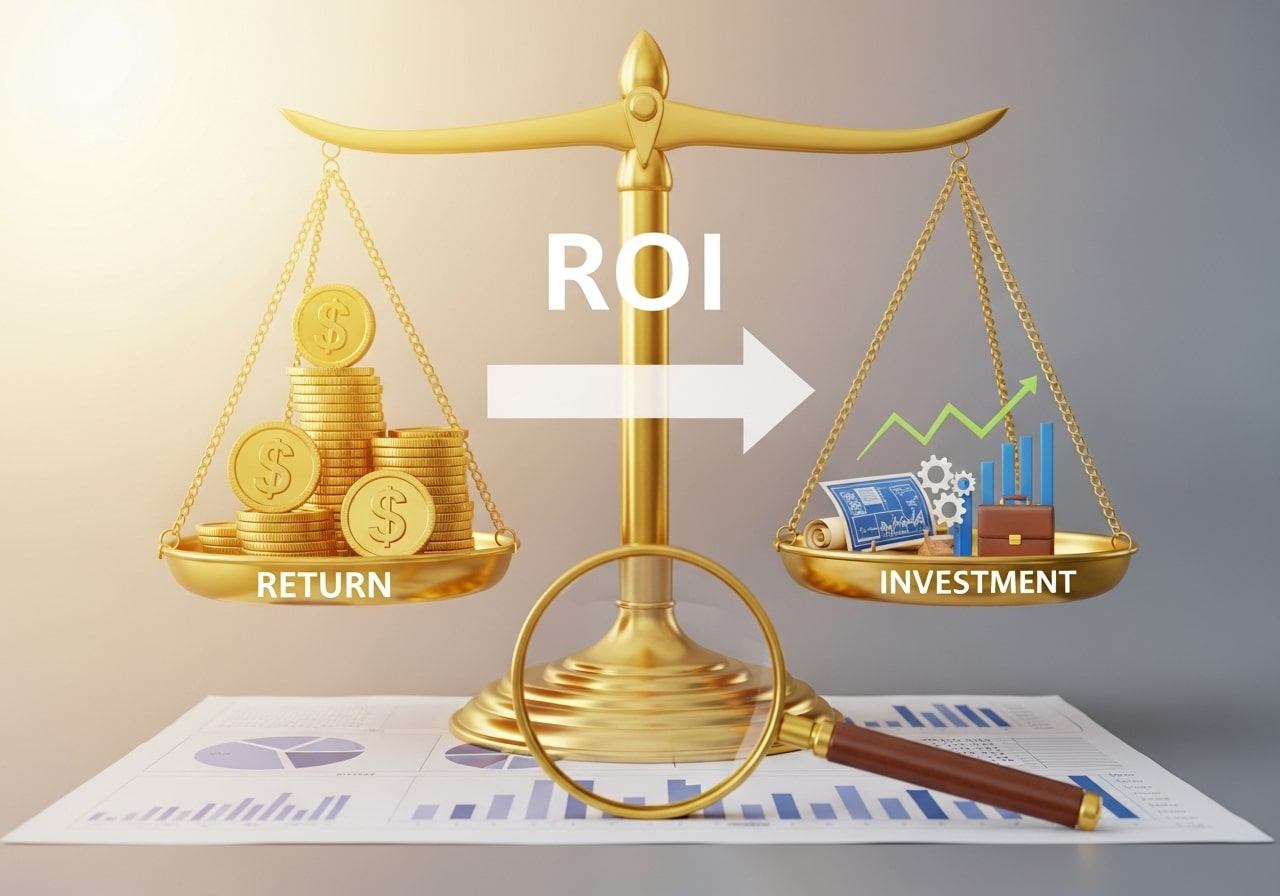
One of the biggest challenges in PR has always been measuring return on investment. Data-driven PR solves this by linking campaigns to measurable outcomes such as traffic growth, backlinks, conversions, and brand sentiment. Analytics platforms help demonstrate how PR efforts contribute to broader marketing and business goals. Clear ROI reporting builds stakeholder confidence and justifies PR budgets. By connecting storytelling with tangible results, PR teams can prove their strategic value within organizations.
Data-Driven Thought Leadership
Thought leadership becomes more powerful when supported by data insights. Original research, surveys, and trend analysis help brands lead conversations rather than follow them. Data-driven thought leadership positions companies as industry experts who understand market shifts and audience needs. Journalists and publications are more likely to reference insights-based content, increasing media exposure. This approach not only builds authority but also strengthens long-term brand reputation and trust among target audiences.
Ethical Use of Data in Digital PR
As data becomes central to PR strategies, ethical usage is increasingly important. Transparency, privacy compliance, and responsible data sourcing must be prioritized. PR professionals should ensure data is accurate, properly anonymized, and used in line with regulations such as GDPR. Ethical data practices protect brand integrity and maintain audience trust. When brands handle data responsibly, they strengthen credibility and avoid reputational risks associated with misuse or misinformation.
Tools and Techniques for Data Analysis in Digital PR
The shift toward data-driven strategies wouldn’t be possible without innovative tools and methodologies. Here are some of the most impactful ones being used today.
Google Analytics
Arguably the most well-known analytics tool, Google Analytics provides in-depth insights into website traffic, tracking everything from user demographics to behavior patterns. This information helps PR teams assess how campaigns are driving website visits and conversions.
BuzzSumo
BuzzSumo excels at content analysis by revealing what kind of content performs well for specific keywords. It also allows users to identify influencers who can amplify their message.
SEMrush
Used predominantly for SEO, SEMrush has robust reporting features that allow PR professionals to track backlink quality, website authority, and keyword performance.
Social Listening Tools
Tools like Brandwatch and Hootsuite monitor online mentions, sentiment analysis, and trending hashtags. This helps teams understand public sentiment about their campaigns and brand reputation in real-time.
CRM Platforms
Many organizations use customer relationship management (CRM) tools, such as HubSpot or Salesforce, to gather data on audience interactions. This data is then leveraged for personalized engagement and follow-ups in PR efforts.
Case Studies: Successful Campaigns Leveraging Data Analysis
Nothing highlights the power of data-driven PR better than real-world examples. Here are two standout campaigns that demonstrate how analytics-focused strategies can transform outcomes.
Case Study 1: Spotify Wrapped Campaign
Spotify’s “Wrapped” campaign, which recaps users’ listening habits over the past year, is an excellent example of data-driven PR. Leveraging user data, Spotify not only created highly personalized experiences but also generated massive organic reach. By encouraging users to share their Wrapped results on social media, Spotify turned a simple data report into a global PR success and a hallmark of their brand each year.
Case Study 2: Airbnb’s COVID-era Trend Reports
During the travel downturn caused by COVID-19, Airbnb used data to identify emerging travel trends, such as people seeking stays within driving distance. Their data-driven press releases highlighted these findings and positioned Airbnb as not just reactive, but deeply insightful. This approach helped maintain their relevance and increased public affinity for their brand.
The Future of Data-Driven Digital PR
The trajectory of digital PR is undoubtedly intertwined with further advancements in data analysis technology. AI, machine learning, and automation have already started shaping campaigns, and here’s what we can expect next.
Predictive Analytics
AI and machine learning will allow PR professionals to anticipate crises, analyze sentiment shifts, and identify PR opportunities before they arise. Predictive analytics will turn reactive plans into proactive strategies.
Real-Time Adaptation
With the rise of 5G and enhanced data processing capabilities, campaigns will feature real-time adjustments based on performance and audience feedback. This will ensure every campaign is optimized for maximum impact.
Increased Personalization
Hyper-personalized PR campaigns, powered by AI, will allow brands to connect with audiences on a deeper level. For example, businesses may deliver personalized press releases directly tailored to individual journalists or bloggers.
Data-Driven PR is the Key to Staying Competitive
The integration of data analysis into digital PR isn’t just a passing trend; it’s a necessary evolution. Data empowers PR professionals to make more informed decisions, optimize strategies, and demonstrate measurable ROI to stakeholders.
If you’re ready to take your company’s PR efforts to the next level, it’s time to invest in data analytics tools and start leveraging the insights they provide. By staying ahead of the data curve, your brand can achieve unmatched authority, visibility, and success in the competitive digital landscape.
Data-Driven Digital PR FAQ
1. What is data-driven digital PR?
Data-driven digital PR is an approach that uses analytics, audience data, and performance metrics to guide PR strategies. Instead of relying only on intuition or traditional media relationships, professionals use data to inform targeting, messaging, and measurement, leading to more effective and measurable outcomes.
2. Why is data important in modern digital PR?
Data helps PR professionals understand audience behavior, track campaign performance, and identify trends in real time. This enables better decision-making, optimized outreach, and clearer ROI reporting to stakeholders.
3. How does data analysis improve media outreach?
By analyzing journalist interests, past coverage, and engagement metrics, data allows PR teams to pitch more relevant stories to the right media contacts, increasing response rates and successful placements.
4. What metrics should digital PR professionals track?
Common metrics include website traffic, backlink quality, referral traffic, social shares, brand mentions, sentiment analysis, and overall engagement rates to measure visibility and reputation impact.
5. Which tools are commonly used for data-driven digital PR?
Tools such as Google Analytics, BuzzSumo, SEMrush, social listening platforms, and CRM systems are widely used to track performance, content reach, backlinks, and audience interactions.
6. Can data-driven PR help with crisis management?
Yes. Real-time monitoring and sentiment analysis help PR teams identify potential issues early, respond quickly, and adjust messaging before a situation escalates.
7. How does data-driven PR support SEO efforts?
Data-driven PR helps secure high-quality backlinks, improve domain authority, and increase organic search visibility by aligning PR placements with SEO goals.
8. Is data-driven digital PR suitable for small businesses?
Yes. Even small businesses can use basic analytics tools to refine targeting, improve messaging, and compete effectively without large PR budgets.
9. What role does AI play in the future of digital PR?
AI enables predictive analytics, automated monitoring, sentiment forecasting, and personalized outreach, allowing PR strategies to become more proactive and efficient.
10. How can a company get started with data-driven digital PR?
Companies should begin by defining clear goals, choosing relevant analytics tools, tracking key metrics, and using insights to continuously refine PR strategies.


