Analytical chemistry is a fundamental branch of chemistry. It strives to understand what things are made of and in what proportions. In other words, this discipline is working on understanding what matter is. Whether you are testing how pure a substance is or how harmful a food chemical is, analytical chemistry is crucial.
Basic of Analytical Chemistry
At the heart of analytical chemistry is measurement. Researchers in this area create techniques to break down, detect, and also measure matter. That is, they attempt to determine what is in a sample, and how much of each kind of thing is there.
Unlike other chemistry branches, which may be more focused on building new compounds, analytical chemistry is about the analysis. For instance, if someone hands you a bottle of water and asks what’s inside, an analytical chemist would be the one to answer that question for you.
Just as analytical chemistry relies on precise data interpretation, success in modern marketing increasingly depends on mastering social media analytics and data analysis.
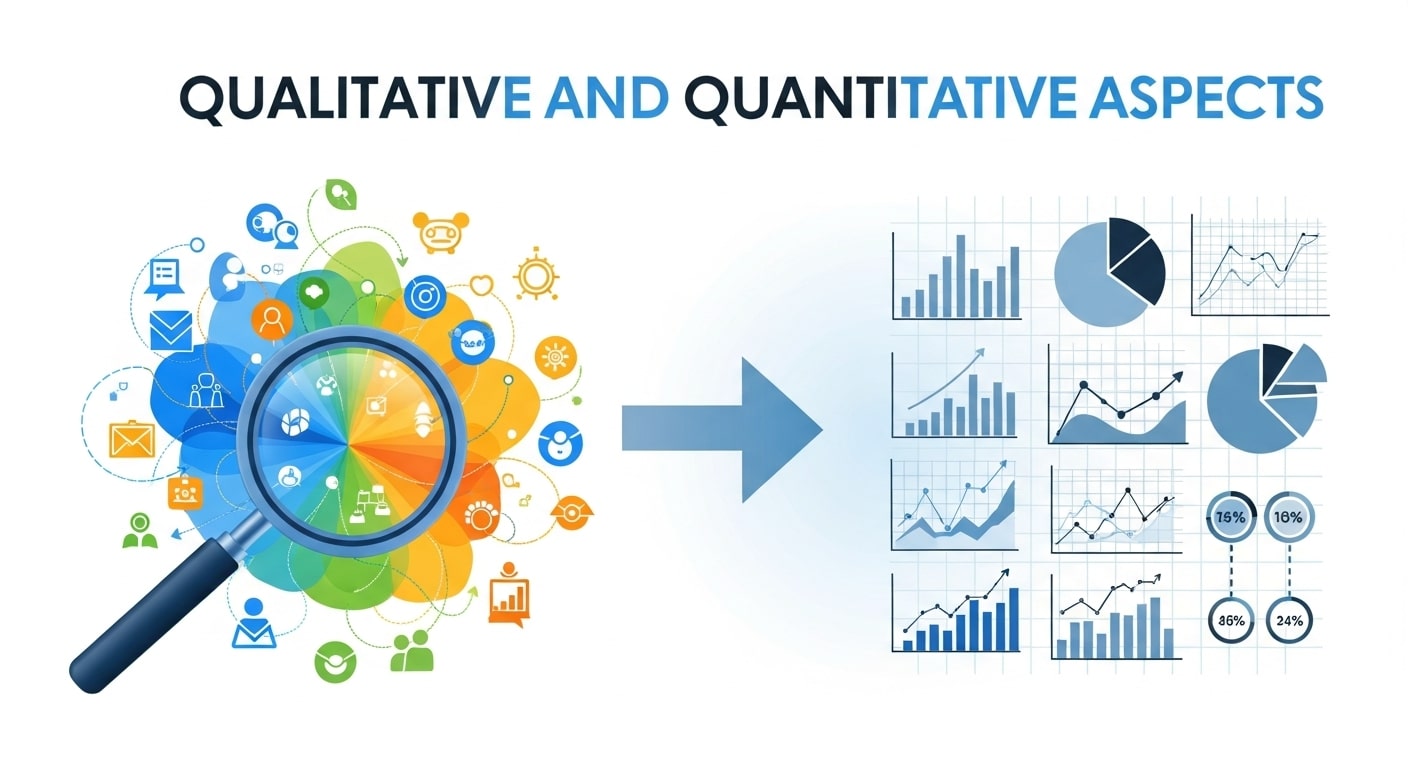
Qualitative and Quantitative Aspects: Two Distinct Spheres
Qualitative Analysis
This is determination of the actual constituents in a sample. It’s all about identifying which substances are within a mixture. Is it sugar? Salt? A toxic chemical?
Quantitative Analysis
This shows you how much of a substance exists in the sample. For example, not just that there is sugar in your juice, but how many grams of it.
Both are critical to industries as diverse as pharmaceuticals, food safety and environmental testing.
Applications of Analytical Chemistry to Real World Situations
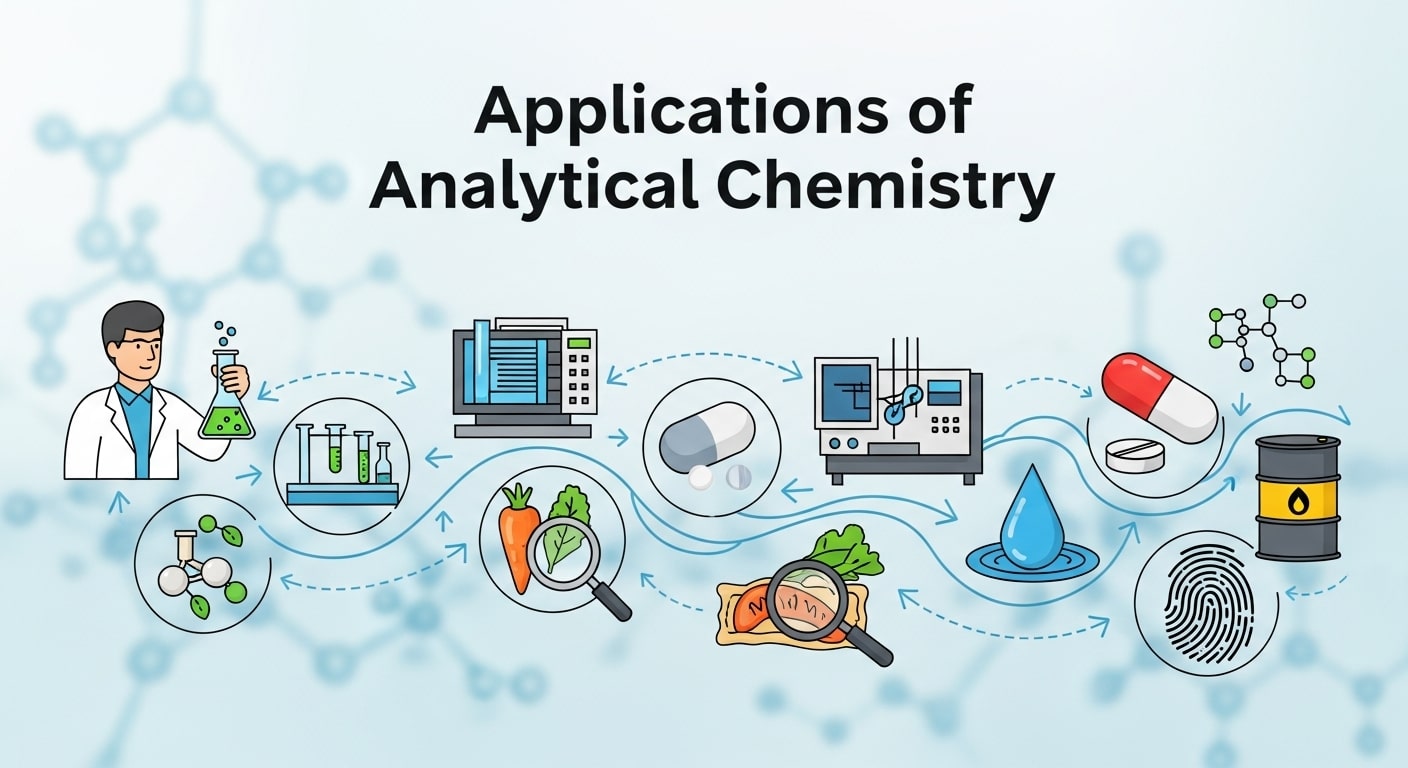
Analytical chemistry isn’t just for the laboratory or people in white coats. It’s around us every day.
Medicine and Healthcare
Drugs are thoroughly tested before they reach the market. Analytical chemists verify the purity, dosage and stability of medications. This trusted, efficient and proven system is in place to safeguard that medicines are safe and work.
Food Safety
Have you ever seen foods advertised as “free from pesticides” or “no added sugar”? Analytical chemistry can corroborate such claims. It recognizes additives, preservatives and impurities.
Environmental Monitoring
Air, water and soil must be routinely monitored. Analytical chemists work on keeping pollution levels in check and identifying toxic substances. It helps ensure the enforcement of environmental laws and the safety of communities.
Forensic Science
In crime scenes, evidence must be dissected. Whether it’s a suspicious powder in an envelope or traces of toxins in a blood sample, forensic teams employ analytical chemistry to get to the truth.
Instruments and Techniques
Chemistry seeks very fine measures of quantities, either directly or indirectly. Chemists use sophisticated instruments to make accurate determinations.
Here are some popular tools:
-
Chromatography – Used to divide mixtures into its component parts.
-
Spectroscopy – Examines the light that materials absorb or emit in order to identify them.
-
Mass Spectrometry – Analyzes the mass of particles to classify them precisely.
They help us achieve fast as well as highly accurate results.
Role of Analytical Chemistry in Pharmaceutical Development
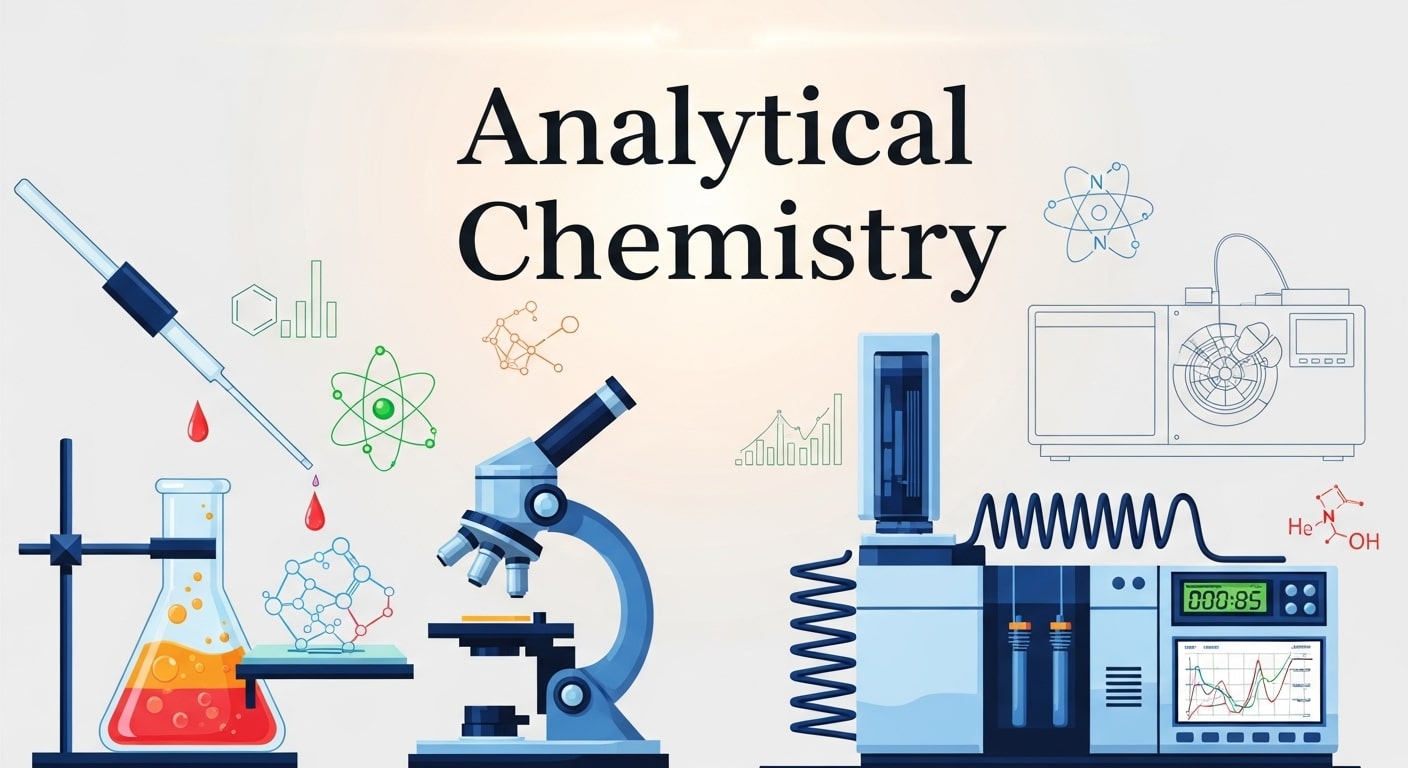
Analytical chemistry plays a critical role in pharmaceutical research and drug development. Before any medicine reaches patients, it must undergo extensive testing to confirm its identity, purity, strength, and stability. Analytical techniques help scientists detect impurities, degradation products, and inconsistencies in formulation. During clinical trials, analytical chemistry ensures dosage accuracy and batch-to-batch consistency. Regulatory agencies also rely on analytical data to approve drugs. Without analytical chemistry, it would be impossible to guarantee that medicines are safe, effective, and reliable for human use.
Importance of Accuracy and Precision in Analytical Chemistry
Accuracy and precision are fundamental concepts in analytical chemistry. Accuracy refers to how close a measurement is to the true value, while precision indicates how consistent repeated measurements are. Even small errors can lead to incorrect conclusions, especially in fields like healthcare or environmental testing. Analytical chemists carefully calibrate instruments, follow validated methods, and perform repeated analyses to minimize errors. Maintaining high accuracy and precision ensures reliable data, builds trust in results, and supports informed decision-making across scientific and industrial applications.
Sample Preparation in Analytical Chemistry
Sample preparation is one of the most important yet challenging steps in analytical chemistry. Before analysis, samples often need to be filtered, diluted, extracted, or chemically treated. Proper preparation removes interfering substances and enhances detection accuracy. Poor sample handling can introduce contamination or cause loss of analytes, leading to inaccurate results. Analytical chemists must choose preparation methods based on sample type and analytical technique. Effective sample preparation improves sensitivity, reliability, and reproducibility of analytical results.
Quality Control and Assurance Through Analytical Chemistry
Analytical chemistry is central to quality control and quality assurance systems. Industries such as food production, pharmaceuticals, cosmetics, and manufacturing rely on analytical testing to meet safety and regulatory standards. Raw materials, in-process samples, and final products are routinely analyzed to ensure consistency and compliance. Analytical data help detect defects, contamination, or deviations early. By maintaining strict quality checks, analytical chemistry protects consumers, reduces waste, and enhances brand credibility across industries.
Environmental Protection and Sustainability
Analytical chemistry supports environmental protection and sustainability efforts worldwide. It helps detect pollutants in air, water, and soil, even at trace levels. These measurements guide environmental policies and pollution control strategies. Analytical chemists also develop methods that reduce chemical waste and energy consumption, supporting green chemistry principles. By monitoring ecosystems and identifying harmful substances early, analytical chemistry contributes to long-term environmental health and sustainable development goals.
Analytical Chemistry in Industrial Manufacturing
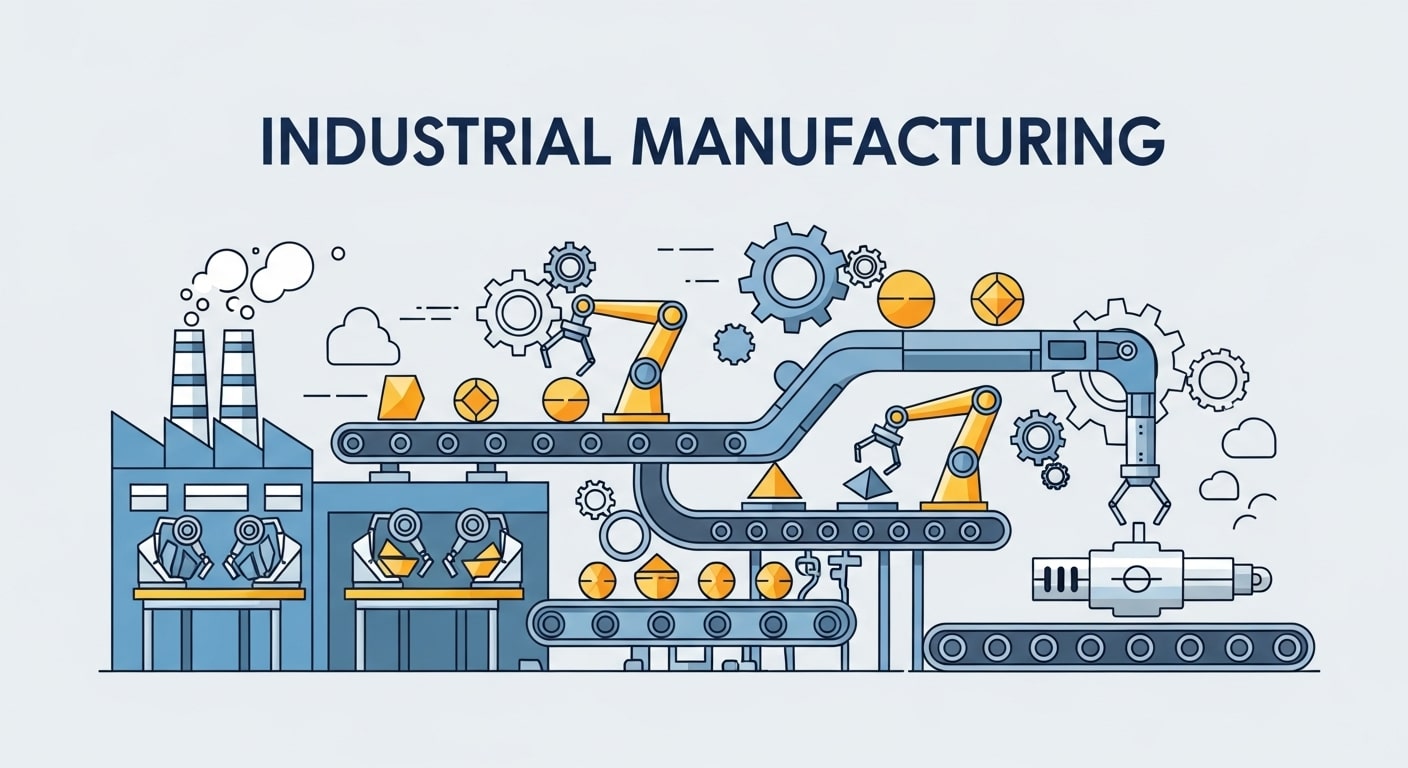
In industrial manufacturing, analytical chemistry ensures process efficiency and product consistency. From raw material verification to final product testing, analytical methods help monitor chemical reactions and material properties. Real-time analytical tools allow manufacturers to detect deviations quickly and adjust processes accordingly. This reduces production costs, minimizes waste, and improves safety. Industries such as petrochemicals, electronics, and polymers depend heavily on analytical chemistry to maintain performance and quality standards.
Ethical Responsibility in Analytical Chemistry
Analytical chemists carry significant ethical responsibility because their results influence health, safety, and legal decisions. Accurate reporting, proper documentation, and honest data interpretation are essential. Manipulated or careless analysis can lead to serious consequences, including unsafe products or environmental harm. Ethical analytical practice requires transparency, adherence to standards, and continuous validation of methods. Upholding ethical principles strengthens public trust in science and ensures responsible use of analytical findings.
Analytical Chemistry and Chemistry Analysis Problems
Yet as powerful as analytical chemistry is, it’s not without its struggles.
One issue is sensitivity. Some of the specimens contain materials in very minute quantities. It is hard to sense those non-interfering ones.
Another challenge is specificity. A test also has to single out one substance without being distracted by similar ones. Which is why techniques must be selected carefully, and approaches thoroughly validated.
In addition, slight mishandling or miscalibration can also introduce some errors. That’s why this field demands attention to detail, keen observation, and a good grasp of data.
Computers and Software
In this regard, what was and who did the work done on the systems became the primary point of focus for analyzing technology and personnel.
In today’s world of sophisticated instrumentation, analytical chemistry is a tech-based endeavor. Information is collected, processed, and interpreted by means of software. This speeds up the process and minimizes human error.
For instance, a spectrometer can produce a graph that is not easily read by human eye. Software processes that data into results you can read in seconds. As a result, analytical chemists often require computer and data science fundamentals.
Education and Career Paths
Becoming an analytical chemist is usually a place where many people start if they’re interested in a chemistry career. There are courses in analytical chemistry at some universities. More advanced jobs may require a master’s or PhD.
Options are broad when it comes to career prospects:
-
Pharmaceuticals
-
Environmental labs
-
Food and beverage companies
-
Research institutions
-
Government agencies
Job descriptions can vary, but might include working in a laboratory, running tests, analyzing data and preparing reports.
Digital Analytical Chemistry
An exciting trend is the transition to automation. Many routine tests are now performed by robots and automated systems. This saves time and enables chemists to concentrate on analysis and creative problem-solving.
There is also a rise of AI and machine learning in analytical chemistry. These are some tools that can aid in understanding complex structures present in huge data sets. They are also helpful in forecasting and in increasing precision.
Modern attention has also turned to green chemistry. Analytical mechanics has its role in minimizing waste streams and cleaner testing.
The Importance of Analytical Chemistry
You probably don’t realize it, but analytical chemistry underscores most of the things you interact with on a daily basis. From the water in your drinking glass to the air you breathe to the very phone in your hand (which underwent material testing), this particular science is behind the scenes making sure things are safe, high quality and innovative.
It is a field that requires curiosity, accuracy and a keen sense of personal responsibility. Analytical chemists are not merely number gazers — they unearth truths, troubleshoot at scale, and make the world safer.
Final Thoughts
So, what is the analysis? It’s the science of going against something and looking into what something’s made of and how much of what’s in it. It’s pragmatic, indispensable and found in just about every sector of the economy.
Whether you want to be a member of the field or just a more-informed citizen of the world, analytical chemistry provides a key to the answers. This is a field of study grounded in detail, animated by precision, and oriented toward real-world impact.
If you’ve ever suspected the secret contents of your food, water, or medicine — now you know the experts behind those answers are analytical chemists.
Future Skills Needed for Analytical Chemists
The future of analytical chemistry demands a broader skill set beyond traditional laboratory expertise. Modern analytical chemists need proficiency in data analysis techniques, software tools, and automation systems. Understanding artificial intelligence and machine learning is becoming increasingly valuable. Communication skills are also important for reporting results clearly to non-specialists. As technology evolves, continuous learning and adaptability will be key to staying relevant and effective in this dynamic scientific field.
Frequently Asked Questions (FAQ)
What is analytical chemistry in simple terms?
Analytical chemistry is the branch of chemistry that focuses on identifying what substances are made of and determining how much of each component is present. It helps answer questions about composition, purity, and concentration.
Why is analytical chemistry important?
Analytical chemistry is essential because it ensures safety, quality, and accuracy in products we use every day, including medicines, food, water, and environmental resources. Without it, harmful substances could go undetected.
What is the difference between qualitative and quantitative analysis?
Qualitative analysis identifies what substances are present in a sample, while quantitative analysis measures how much of each substance is present. Both are necessary for a complete understanding of a sample.
Where is analytical chemistry used in real life?
It is widely used in healthcare, pharmaceuticals, food safety, environmental monitoring, forensic science, manufacturing, and research laboratories. Many industries rely on it to meet safety and regulatory standards.
What instruments are commonly used in analytical chemistry?
Common instruments include chromatography systems, spectroscopic tools, and mass spectrometers. These instruments allow chemists to separate, identify, and measure substances with high accuracy.
What skills are needed to become an analytical chemist?
Analytical chemists need strong attention to detail, problem-solving skills, a solid understanding of chemistry principles, and the ability to analyze data. Knowledge of computer software and data analysis is increasingly important.
How has technology changed analytical chemistry?
Technology has significantly improved analytical chemistry through automation, advanced software, and artificial intelligence. These tools increase accuracy, reduce errors, and allow faster analysis of complex data.
Is analytical chemistry a good career choice?
Yes, analytical chemistry offers diverse career opportunities across many industries. It is a stable and evolving field with strong demand in healthcare, environmental science, research, and industrial quality control.