People throw around the phrase “data is the new oil” all the time, and honestly, they’re not wrong. Businesses live and breathe data these days—using it to figure out their next move, stay ahead of the competition, or just keep the lights on.
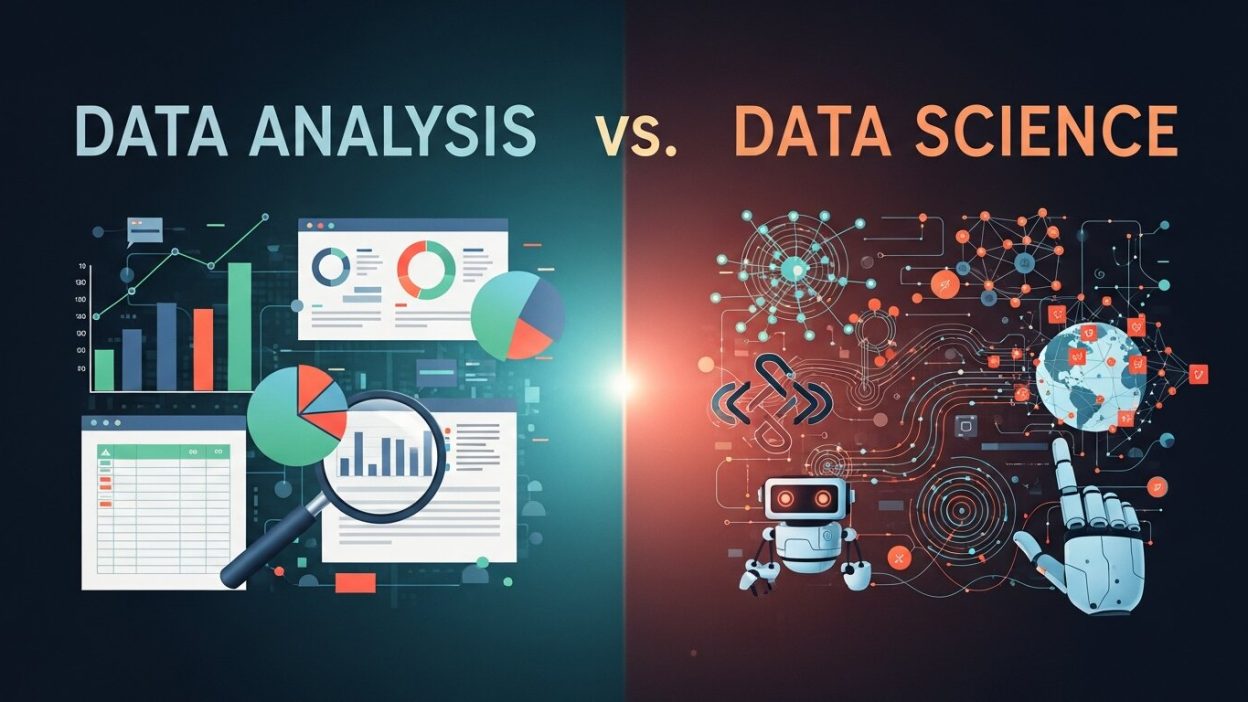
If you’re into tech or thinking about a career where data’s the star, you’ve probably heard about two big players: data analysis and data science. They sound similar, sure, but they’re not the same beast. So, let’s dig in, break them apart, and figure out what makes each one tick—and maybe even help you decide which one’s your vibe.
What’s Data Analysis All About?
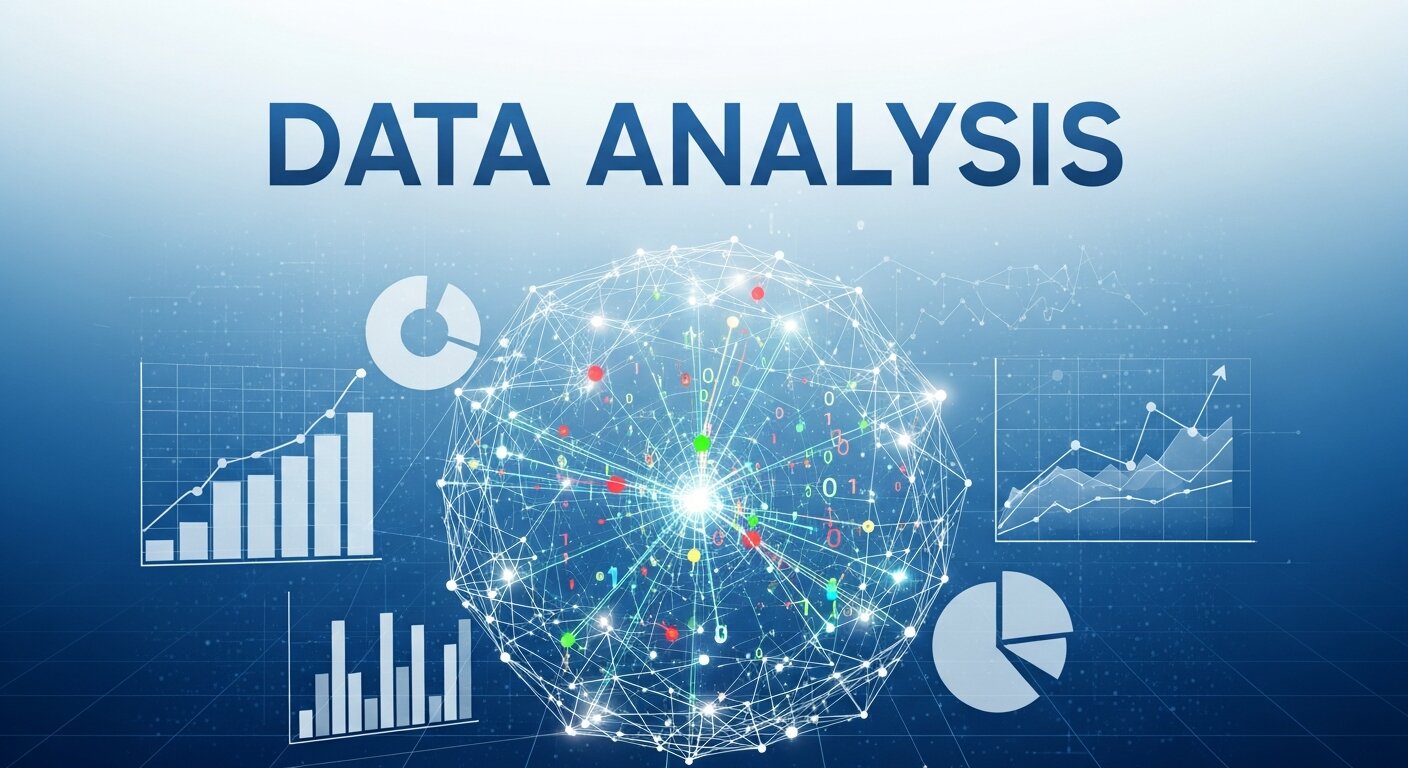
Picture this: you’ve got a pile of numbers and info from the past, and your job is to sift through it, clean it up, and pull out something useful. That’s data analysis in a nutshell. It’s all about taking what’s already happened and turning it into insights that help people make smart calls.
What Do Data Analysts Actually Do?
- Fixing the Mess: They scrub the data—get rid of typos, fill in gaps, and make it all line up right.
- Spotting the Patterns: They’re like detectives, finding trends or weird outliers that tell a story.
- Making It Visual: Think dashboards or slick charts that sum it all up for the boss.
- Answering the Big Questions: Someone asks, “Why did sales tank last month?” They’ve got the data to crack it.
Tools They Love
- Excel or Google Sheets: The classics for crunching numbers and keeping things organized.
- Tableau or Power BI: for turning boring stats into visuals that actually make sense.
- SQL: The go-to for digging into databases and pulling out exactly what you need.
- Stats Basics: Stuff like regression or testing ideas to back up what they’re seeing.
Who’s Hiring Them?
Retail stores tracking inventory, hospitals watching patient trends, banks keeping an eye on cash flow, marketers figuring out what ads worked—you name it. If a business has numbers to watch, it needs a data analyst.
So What’s Data Science Then?
Now, data science is like data analysis’s cooler, more adventurous cousin. It’s not just about what’s already happened—it’s about guessing what’s coming next. It mixes stats, coding, and some serious know-how to tackle huge, messy datasets and build stuff like predictions or even smart tools.
What Keeps Data Scientists Busy?
- Rounding Up Data: They grab info from everywhere—structured, unstructured, whatever’s out there.
- Tweaking the Details: They prep data so it plays nice with fancy machine learning models.
- Building the Magic: They code up algorithms or models that can predict things.
- Looking Ahead: Think “What’s the weather gonna do?” but for business moves.
- Creating Cool Stuff: Like apps or systems that anyone at the company can use.
Their Toolbox
- Python or R: For coding, automating, and making models from scratch.
- TensorFlow or Scikit-learn: Big names in machine learning to predict or classify stuff.
- Hadoop or Spark: For when the data’s so massive it won’t fit on your laptop.
- Next-Level Stats: Things like Bayesian tricks or Markov chains for the deep dives.
Who Needs This?
Tech companies dreaming up AI, carmakers working on self-driving rides, online shops guessing what you’ll buy next—data science is the backbone of anything cutting-edge.
Where They Meet in the Middle
They’re not total strangers, though. Both dig into data to figure out what’s going on, both hate messy datasets (cleaning is life), and both love a good chart to show off their work. Plus, they’re chatting with the same people—bosses, teams, engineers—to make sure their findings actually matter.
What’s Your Path? Wanna Be a Data Analyst?
You’ll need to rock Excel and SQL, whip up visuals that wow, and know your way around basic stats like averages or correlations. Jobs might be “Data Analyst,” “Business Analyst,” or “Marketing Analyst.” Stick with it, and you could level up to senior roles or even slide into data science later.
1. Dreaming of Data Science?
Get comfy with Python or R, learn some machine learning tricks, and maybe dabble in big data tools. You could end up as a “Data Scientist,” “Machine Learning Engineer,” or even an “AI Developer.” Keep going, and you might run the show as a Chief Data Officer or dive deep into AI research.
2. Which One’s You?
Love numbers and telling a story people can act on? Data analysis might be your jam. More into coding, puzzles, and building the future? Data science is calling. Both are hot careers, and honestly, the skills you pick up in one can help you jump to the other down the road.
3. Wrapping It Up
At the end of the day, both data analysis and data science are about making sense of the chaos and helping people make moves. They just do it in different flavors. Figure out what fires you up—digging into the past or predicting the future—and you’ve got your starting line.
Ready to jump in? Check out some online courses, mess around with real data, or find a mentor who’s been there. The data world’s wide open—go claim your spot!
Mastering Financial Data Analysis: Your Guide to Nailing It
1. Why Financial Data Analysis Matters
Money makes the world go ‘round, right? And in today’s world, financial data analysis is how businesses keep spinning. It’s about digging into the numbers—sales, profits, market swings—to spot golden opportunities or dodge disasters. If you’re curious about a career that mixes money smarts with data skills, stick with me. I’ll walk you through what it’s all about, what you need to know, and how to make it big.
2. What’s Financial Data Analysis, Anyway?
Imagine you’re handed a stack of financial reports or stock prices. Your job? Find the story—where’s the cash flowing, what’s working, what’s not. It’s about turning those numbers into advice that helps companies grow, save, or just stay afloat.
3. What’s in the Mix?
- Sales and costs
- Profit margins and cash on hand
- Stock trends and market shifts
- KPIs—like how fast inventory’s moving
You’re pulling this from balance sheets, trading floors, or wherever the money talks.
Skills You’ll Need to Crush It
This gig’s a mashup of brainpower and tech know-how. Here’s what you’ll want:
- Sharp Eyes: You’ve got to spot trends or red flags in a sea of numbers.
- Finance Smarts: Know your way around valuation or risk—why the numbers matter.
- Tech Game: Excel, SQL, maybe Python—tools to wrestle data into shape.
- Storytelling: You’re not just crunching; you’re explaining it so everyone gets it.
- Eagle Eyes: One wrong digit could tank a decision—accuracy’s everything.
How’s It Different from Data Science?
People mix these up, but here’s the deal:
- Financial Data Analysis: Looks back—what’s the data telling us about last quarter?
- Data Science: Looks forward—can we predict next quarter with some clever code?
They’re buddies in the same sandbox, but analysts focus on “what was,” while scientists chase “what will be.”
Tools and Tricks of the Trade
You’ve got some heavy hitters in your corner:
- Excel: Pivot tables, formulas—the old reliable.
- SQL: For slicing through big financial databases.
- Python: When you need to go deep or build models (pandas is a lifesaver).
- Tableau/Power BI: For visuals that make execs go, “Oh, I get it!”
How You Use Them:
- Describe it: Sum up what’s happened.
- Predict It: Guess what’s coming (light forecasting).
- Compare It: Did we hit the budget or nah?
- What-If It: Test out scenarios to prep for surprises.
Where You’ll See It in Action
This stuff’s everywhere:
- Big Companies: Budgets, cash flow, investment calls.
- Wall Street: Predicting stock wins or spotting trades.
- Risk Watchers: Keeping portfolios or projects safe.
- Online Shops: Pricing tricks based on what customers do.
- Banks: Who gets a loan? What’s the risk?
Jobs You Could Land:
- Financial Analyst: Budgets, forecasts, strategy.
- Investment Analyst: Picking winners for portfolios.
- Risk Analyst: Dodging financial bullets.
- Data Analyst: Broader data with a finance twist.
- Quant: Hardcore number-crunching for trades.
Pay’s solid—think $70k-ish to start in the U.S., more as you climb.
How to Get Good
- Books: Financial Intelligence (Berman & Knight) or Data Science for Business (Provost & Fawcett).
- Courses: Coursera’s Business Analytics or Udemy’s Financial Modeling.
- Practice: Kaggle for datasets, GitHub for models.
- Certs: CFA if you’re serious, or just Excel/SQL badges to start.
What’s Next for This Field?
AI’s creeping in, making the grunt work faster and the insights sharper. If you like money, tech, and solving puzzles, this is your sweet spot. Start small—play with Excel, try Python, join a data crew online. The future’s bright, and it’s all about the numbers.
Understanding Audience Engagement

Analyzing how your audience interacts with content is crucial for growth. By reviewing metrics such as likes, shares, comments, and view duration, you can identify patterns and preferences. Tools that track engagement trends, including TikTok Analytics for Brands, help marketers determine which content resonates most, which time slots yield higher activity, and what type of messaging drives results. Regularly monitoring audience behavior enables businesses to tailor content strategies, increase reach, and improve overall engagement. Understanding these interactions also helps in predicting trends and planning future campaigns more effectively. Using these insights wisely ensures content aligns with audience expectations and maximizes the return on marketing efforts.
Optimizing Workforce Insights
Organizations are increasingly relying on data to understand employee behavior, satisfaction, and performance. People Analytics allows HR teams and managers to analyze workforce trends, identify potential skill gaps, and improve talent management strategies. By studying patterns in recruitment, retention, productivity, and employee engagement, companies can make informed decisions that enhance efficiency and job satisfaction. This approach not only helps in optimizing team performance but also in designing policies that foster a positive workplace culture. Leveraging insights from these analytics ensures organizations remain competitive, make proactive adjustments, and align workforce strategies with broader business objectives, ultimately leading to better outcomes for both employees and the company.
Driving Data-Backed Decisions
Businesses today strive to make decisions supported by predictive insights rather than guesswork. Prescriptive Analytics takes data a step further by recommending specific actions to achieve desired outcomes. By combining historical data, predictive models, and real-time trends, companies can optimize marketing campaigns, inventory management, pricing strategies, and operational efficiency. These insights allow teams to anticipate challenges, reduce risks, and prioritize initiatives that deliver measurable results. Integrating this data-driven approach into decision-making processes ensures organizations act with confidence, save resources, and continuously improve performance. Companies that adopt prescriptive analytics are better positioned to respond quickly to market changes and achieve long-term strategic goals.
Final Thoughts
Whether you choose data analysis or data science, you’re stepping into a field that’s shaping the future. Both roles use the power of data to solve problems and drive business success — they just do it in different ways.
If you’re serious about building a career in data, start exploring online courses, join a mentorship program, or work on real-world projects. Stay curious, keep learning, and remember: the world of data has endless opportunities for those ready to dive in!
Frequently Asked Questions (FAQs)
1. What is the main difference between data analysis and data science?
Data analysis focuses on examining historical data to understand what happened and why. Data science goes a step further by building models and algorithms to predict future outcomes and automate decision-making.
2. Which is better: data analysis or data science?
Neither is universally better—it depends on your interests and skills. If you enjoy working with reports, dashboards, and business insights, data analysis may suit you. If you prefer coding, machine learning, and predictive modeling, data science might be a better fit.
3. Do I need coding skills for data analysis?
Basic coding skills are helpful but not always mandatory. Many data analysts use tools like Excel, SQL, Tableau, or Power BI. However, learning Python or R can significantly expand your opportunities.
4. Is data science harder than data analysis?
Data science is generally considered more technical because it requires advanced statistics, programming, and machine learning knowledge. Data analysis focuses more on interpretation, reporting, and visualization.
5. What qualifications do I need to become a financial data analyst?
A background in finance, economics, mathematics, or business is helpful. Skills in Excel, SQL, and financial modeling are important. Certifications like CFA can strengthen your profile but are not always required.
6. Can a data analyst become a data scientist?
Yes, many professionals start as data analysts and transition into data science by learning programming, machine learning, and advanced statistics. The foundational skills in data handling make the shift smoother.
7. What tools are essential for financial data analysis?
Common tools include Excel for financial modeling, SQL for database queries, Python for deeper analysis, and visualization tools like Tableau or Power BI for reporting insights.
8. What industries hire data analysts and data scientists?
Industries such as finance, healthcare, retail, technology, marketing, banking, and e-commerce actively hire both data analysts and data scientists.
9. How much can I earn in these fields?
Salaries vary by country and experience level. Entry-level roles often start with competitive pay, and professionals with strong technical and analytical skills can earn significantly higher as they advance.
10. How can beginners start a career in data?
Beginners can start by learning Excel and SQL, taking online courses in analytics or data science, practicing with real datasets, building small projects, and seeking internships or mentorship opportunities.