


TikTok’s meteoric rise has redefined how brands connect with audiences. With over a billion monthly active users worldwide, it’s an undeniable force in digital marketing. But success on TikTok isn’t just about creating viral videos; understanding your performance through TikTok Analytics is crucial to driving engagement and achieving a real return on investment (ROI).
If you’ve been scratching your head over how to measure whether your TikTok campaigns are paying off, this guide will walk you through decoding engagement metrics and translating them into actionable insights.
Why TikTok Analytics Matter
When people think of TikTok, they often imagine playful lip-sync videos and trending dances. But for brands, TikTok is a goldmine of opportunities to showcase products, tell stories, and connect with younger audiences. However, without analytic tools, brands risk shooting in the dark, creating content without knowing what works and what doesn’t.
Here’s why TikTok Analytics is essential:
- Measure Success: Monitor performance to see which content resonates.
- Optimize Strategy: Identify gaps and adjust campaigns for better results.
- Justify Budget: Show clear ROI to stakeholders or decision-makers.
- Understand Audiences: Learn what your followers love to keep them engaged.
TikTok Algorithm Insights

Understanding the TikTok algorithm is crucial for maximizing reach. The algorithm prioritizes content based on user interactions, watch time, and video information such as captions, hashtags, and sounds. By analyzing your analytics, you can see which videos the algorithm favors, learn patterns in content discovery, and optimize your posts accordingly. Knowing when and how your audience engages allows you to leverage trends and features like Duets or Stitch. Regular monitoring of algorithm performance ensures that your content reaches the right audience, improving engagement, visibility, and ultimately ROI.
Content Timing and Scheduling
Posting at the right time can significantly boost engagement on TikTok. Analytics show when your audience is most active, allowing you to schedule videos for peak visibility. Consistent posting builds momentum and strengthens your brand presence. By using TikTok Insights, you can analyze patterns of engagement across days and hours, helping you optimize content delivery. Strategic timing ensures your content reaches your target demographic when they’re most likely to interact. Combining timing with trending content or challenges amplifies the chances of going viral and enhances the overall effectiveness of your campaigns.
Creative Format Optimization

TikTok offers diverse creative formats including short clips, stories, live videos, and interactive content. Analytics help identify which formats resonate with your audience by tracking watch time, engagement rates, and shares. Shorter videos may generate high completion rates, while storytelling formats encourage comments and saves. By experimenting with different formats and monitoring performance, brands can refine creative strategies to maximize engagement. Understanding format performance also informs ad placements, collaborations, and campaign planning. Optimizing creative formats ensures that each piece of content captures attention, fosters audience connection, and drives higher ROI.
Influencer and Collaboration Analytics
Partnering with TikTok creators can dramatically expand reach and credibility. Analytics can show which influencer audiences overlap with your brand, how posts perform, and which collaborations generate the highest engagement. Tracking metrics such as views, shares, and follower growth helps evaluate ROI for influencer campaigns. Additionally, brands can identify trends or content styles that perform well through influencer collaborations. Using data-driven insights ensures that partnerships are strategic rather than guesswork. Leveraging analytics in collaboration decisions maximizes visibility, strengthens brand credibility, and delivers measurable marketing results.
Hashtag and Trend Performance

Hashtags and trends are TikTok’s primary content discovery tools. Analytics provide insight into which hashtags drive traffic, engagement, and conversions. Tracking trending audio, challenges, or hashtags allows brands to participate in viral moments effectively. By analyzing historical data, you can identify recurring trends or content styles that resonate with your audience. Effective use of hashtags increases the likelihood of appearing on the For You page, expanding organic reach. Monitoring hashtag performance ensures your campaigns remain relevant, targeted, and optimized for discovery, maximizing visibility, engagement, and ROI.
TikTok Ads and Campaign Metrics
TikTok Ads provide robust targeting and analytics options for measuring ROI. Metrics like click-through rates (CTR), conversions, cost per acquisition (CPA), and engagement rates indicate ad performance. Analytics help determine which audiences, ad formats, or creative assets perform best. Regular monitoring allows marketers to optimize campaigns, adjust budgets, and refine messaging in real time. Combining organic content insights with paid campaign analytics ensures a holistic understanding of your TikTok marketing strategy. Using these metrics strategically maximizes returns, improves targeting, and ensures campaigns meet business objectives efficiently.
Getting Started with TikTok Analytics
If you’re new to TikTok for business, the first step is to make sure you have a Pro Account. TikTok Analytics is free and only available for Pro Accounts, which include Business or Creator accounts. Don’t worry; upgrading is easy and comes with no additional cost.
How to Access TikTok Analytics
- Go to your TikTok profile.
- Tap the three dots at the top-right corner to access settings.
- Navigate to Creator Tools or Business Suite (depending on your account type).
- Click on Analytics to explore your performance stats.
Once you’ve set up Analytics, here’s what you’ll see.
Decoding TikTok’s Key Analytics Metrics
TikTok breaks down its analytics into four primary tabs:
- Overview
- Content
- Followers
- LIVE (if applicable)
Each area provides unique insights into engagement and ROI. Here’s what you need to know.
1. Overview Tab
The Overview tab gives you a snapshot of your account performance over a custom period (7, 28, or 60 days). Here’s what to examine:
- Video Views: Tracks how many times your videos were viewed, providing an overall sense of reach.
- Profile Views: Indicates how many users visited your profile, a sign they’re interested in learning more about your brand.
- Follower Count: Tracks growth or decline in followers.
- Engagement Rates (likes, comments, shares): Use this to gauge how your audience interacts with your content.
Pro Tip: Aim for a high follower-to-engagement ratio. A high engagement rate often means your audience finds your content relevant and engaging.
2. Content Tab
This is where you’ll see performance details for your individual posts. Metrics in this tab include:
Video Performance:
- Total views
- Likes
- Comments
- Shares
Average Watch Time:
A critical indicator of how engaging your video is. Ideally, users should watch close to 75% of your video or more.
Traffic Source Types:
Identify how viewers discovered your content (e.g., For You page, followers feed, hashtags).
Understanding these metrics helps you pinpoint which content types give you the best ROI. For instance, if audio-led content performs well, you know to prioritize similar formats moving forward.
3. Followers Tab
Knowing your audience is key to creating captivating content. The Followers tab shows:
- Demographics:
Age group, gender, and geographic location. - Activity Times:
This feature identifies peak hours when your audience is most active, helping you time your posts for maximum engagement. - Interests:
Sometimes, TikTok hints at what other creators or accounts your followers engage with. This insight can help you align your content with their broader interests.
Example: You discover your audience is primarily Gen Z and Loves ASMR videos. Leverage this by creating quiet, ambiance-filled videos that spotlight your products.
4. LIVE Tab
If your brand experiments with TikTok LIVE videos, this section provides curated data such as:
- Total Views
- Peak Concurrent Viewers
- Diamonds earned (monetary support from viewers)
While this data is niche, businesses offering live demos or Q&A sessions can tap into this feature to interact with audiences and drive sales more directly.
Metrics that Showcase ROI
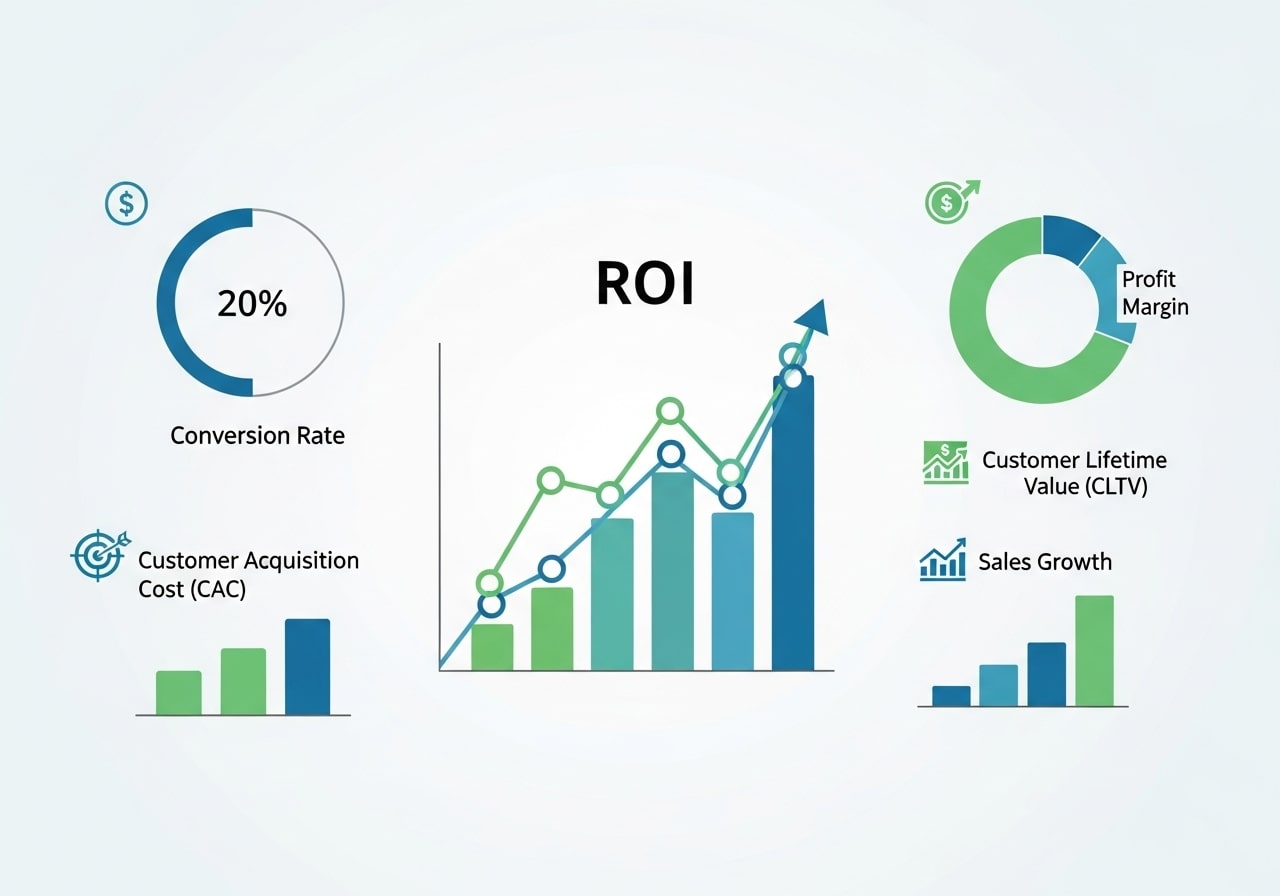
While the above metrics give you a detailed view of your performance, tracking ROI from TikTok content requires a thoughtful approach. Here are four key indicators of ROI success:
1. Conversions
How many viewers are taking action after watching your content? For example, are they clicking on your bio link, signing up for newsletters, or making purchases? Use UTM parameters in your URLs to track this effectively.
2. Follower Growth
ROI on TikTok isn’t solely monetary. If your follower count grows steadily post-campaign, it indicates your brand is expanding its organic reach and authority in your niche.
3. Click-Through Rates
If you’re running TikTok Ads, measure the Click-Through Rate (CTR) to gauge how compelling your call-to-action is. High CTRs often reflect clear ROI from paid campaigns.
4. Engagement Rates
High engagement rates signal that your content connects with your audience, meaning they’re likely to advocate for your brand—even if it doesn’t translate into direct sales immediately.
Tips to Improve Engagement and Maximize ROI
Once you’re comfortable reading your analytics, it’s time to fine-tune your TikTok game for better results.
1. Follow Trending Content Styles
Stay updated with what’s trending on TikTok and apply it creatively to your own messaging. Trends could include challenges, audio clips, or storytelling styles.
2. Use Hashtags Wisely
Don’t just use trending hashtags; mix in niche hashtags relevant to your product or service. This helps TikTok’s algorithm show your content to the right audience.
3. Collaborate with Creators
Partnering with influencers or TikTok creators in your space can boost your visibility while lending credibility and fresh voices to your campaigns. TikTok Analytics can even help identify creators whose audience overlaps with yours.
4. A/B Test Your Posts
Experiment with different lengths, content styles, and call-to-actions to identify what resonates. Regular adjustments based on analytics can optimize your efforts over time.
How to Take Your TikTok Strategy to the Next Level
TikTok isn’t just about fun content but crafting data-driven strategies that amplify brand visibility and engagement. By understanding and leveraging TikTok Analytics, your brand can decode complex metrics into simple actions that elevate performance and ROI.
Now more than ever, TikTok offers brands a chance to grow, connect, and thrive in a platform-first world. Are you ready to optimize your TikTok strategy? Pull out your analytics dashboard and start unlocking your potential today.
Read More About This Topic: Using Data Analysis to Improve Voice Chatbot Accuracy and Engagement
Frequently Asked Questions (FAQ)
1. What is TikTok Analytics?
TikTok Analytics is a free tool for Pro accounts (Business or Creator) that tracks performance metrics such as views, likes, comments, shares, follower growth, and audience demographics. It helps brands understand which content resonates, optimize strategies, and measure ROI effectively.
2. How do I access TikTok Analytics?
Upgrade to a Pro account, go to your profile, tap the three dots for settings, select Creator Tools or Business Suite, and then click Analytics. From there, you can explore Overview, Content, Followers, and LIVE metrics.
3. What are the most important metrics to track?
Key metrics include video views, engagement rates (likes, comments, shares), follower growth, profile visits, average watch time, traffic sources, and, for LIVE videos, total views, peak concurrent viewers, and diamonds earned.
4. How can TikTok Analytics help measure ROI?
Analytics track conversions, follower growth, click-through rates (CTR), and engagement rates. Using these insights, brands can determine which content drives results, justify ad spend, and optimize campaigns to maximize returns.
5. What insights can I get from the Followers tab?
The Followers tab provides audience demographics (age, gender, location), peak activity times, and interests. These insights allow marketers to create targeted content, post at optimal times, and align campaigns with audience preferences.
6. How can I improve engagement on TikTok?
Use trending content styles, niche and trending hashtags, collaborate with creators or influencers, and A/B test content variations. Monitoring analytics helps refine strategies for better engagement and ROI over time.
7. Can TikTok Analytics track paid campaigns?
Yes. Paid TikTok Ads can be analyzed for click-through rates, conversions, and audience interactions. Combining organic and paid metrics provides a holistic view of campaign performance.
8. Why is average watch time important?
Average watch time shows how long viewers stay engaged with a video. High watch times indicate captivating content, which can boost visibility on the For You page and improve algorithmic reach.
9. What is the role of LIVE analytics?
LIVE analytics track total views, peak concurrent viewers, and diamonds earned during live sessions. This helps brands measure real-time engagement, optimize live interactions, and drive direct sales or conversions.
10. How often should I review TikTok Analytics?
Check analytics regularly—ideally weekly or after each campaign. Frequent reviews allow you to spot trends, adjust strategies in real time, and maximize the effectiveness of your TikTok marketing efforts.


