What Are Analytical Skills?
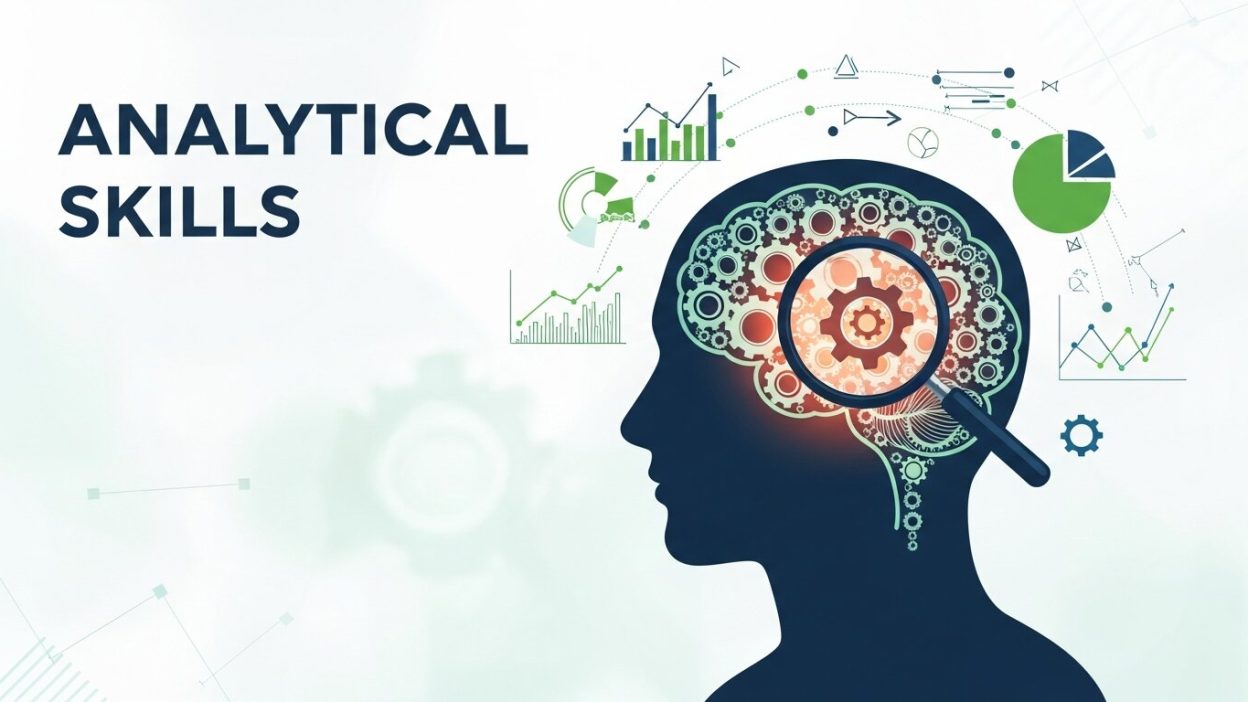
When people talk about your “analytical skills,” it just means you are good at collecting the right type of information, interpreting and analyzing it to arrive at an intelligent conclusion. They include the ability to divide complex information into smaller pieces that can be analyzed for patterns, relationships, and solutions. Though abstract-sounding, these are really pretty practical skills to have and are in demand in every field and industry.
Why Are Analytical Skills Important?
Strong analytical skills help you:
- Navigate academic challenges, such as writing research papers or solving math problems.
- Excel in job roles that require data interpretation, trend identification, or decision-making.
- Address real-world complexities more effectively, like budgeting finances or troubleshooting issues.
Analytical thinking fits into almost every aspect of life, making it a universal tool for personal and professional growth.
Key Components of Analytical Skills
Analytical skills are not a singular ability but rather a collection of interrelated competencies. Here’s a closer look at their core components:
1. Critical Thinking
Critical thinking is the process of questioning people’s assumptions, weighing the evidence, and deciding with reason about what to do or what to think. “Critical thinking allows you to look at the ‘layers’ below the surface and make decisions on the basis of reasoning, rather than prejudice or intuition,” Zicarelli says.
Example in action: A manager uses critical thinking to solve issues through interpersonal analysis and resolution.
2. Problem-Solving
Problem-solving skills are your way of analyzing a problem, looking at potential solutions, and selecting the best one. This is an iterative process that involves brainstorming, risk assessment, and troubleshooting.
Example in action: An IT professional troubleshoots downtime in a network by methodically tracing the root of the problem and providing solutions.
3. Data Analysis
Translation of data into numbers, text, or visuals and translation of these into trends, patterns, and insights. It’s nuanced and data-driven, and an appreciation for how data influences decisions is critical.
Example in action: A financial analyst studies a company’s quarterly reports to determine future revenue and the corresponding budget that can be set.
4. Research
It takes some online research skills to find a reliable source and weed out useless information. Strong research serves as a solid backdrop to your decision-making and your findings.
Example in action: A student who is writing a thesis uses a lot of peer-reviewed journals as sources to make his or her point.
5. Creativity
Although analytical skills appear rational, creativity is a big part of coming up with new ideas, thinking differently, or solving problems in unorthodox ways.
Example in action: A marketing specialist creates creative advertising campaigns by blending consumer information and imaginative ideas.
Real-World Applications of Analytical Skills
You might be wondering, “How do analytical skills translate into real-world roles?” Here are some examples:
1. Education
Teachers use analytical skills to assess student performance and adapt lesson plans to improve learning outcomes. On the other hand, students apply these skills to tackle challenging assignments or analyze literature.
2. Healthcare
Doctors and nurses rely on analytical thinking to diagnose illnesses, interpret medical tests, and propose effective treatment plans. Hospital administrators also apply data analysis for resource allocation and patient management.
3. Technology
Software engineers need analytical abilities to debug code and optimize system performance. AI specialists analyze user data to train algorithms and improve artificial intelligence tools.
4. Business
From market research to strategic planning, analytical skills empower business professionals to evaluate risks, identify growth opportunities, and outperform competitors.
5. Human Resources (HR)
HR managers use data analysis to measure employee performance, optimize hiring processes, and address workplace issues effectively.
By understanding how analytical skills underpin countless industries, you can better appreciate their broad impact and start recognizing opportunities to apply them in your field.
How to Develop and Strengthen Your Analytical Skills
If you’re looking to boost your analytical abilities, the good news is that they can be cultivated with practice and diligence. Here’s how:
1. Challenge Your Mind Daily
Practice problem-solving regularly by engaging in activities that stimulate your brain. Puzzles, strategy games like chess, or even problem-based apps can build your capacity for analysis.
2. Stay Curious
Adopt a curious mindset by asking “why” and “how” questions. For instance, during a team meeting, try to understand the reasoning behind decisions and suggest alternative solutions.
3. Learn Data Analytics Tools
Equip yourself with data-driven tools such as Microsoft Excel, Tableau, or Google Analytics. These platforms enhance your ability to interpret data and make informed decisions.
4. Read and Research
Dive into books and articles that explore critical thinking, logic, and decision-making. Look for case studies related to your industry to see how professionals tackle challenges analytically.
5. Take Online Courses
Numerous platforms like Coursera, LinkedIn Learning, and Udemy offer courses on analytical thinking, problem-solving, and data analysis.
6. Collaborate with Others
Brainstorming and working with teammates introduce you to different thought processes and approaches. This helps expand your ability to think beyond your own perspective.
7. Practice Reflection
After completing a task or solving a problem, take time to reflect on what went well and what could improve. This self-assessment enhances your ability to think analytically in the future.
Why Analytical Skills Will Always Be in Demand
Critical thinking is what life in the 21st century demands from students and school systems in a world rapidly moving beyond the industrial age. You can be a student who knows how to write a term paper, a job seeker who knows how to ace interviews, or a professional who makes it up the corporate ladder; these skills give you an edge and make you more adaptable to change.
Through an intentional process of developing your analytical skills, you can contribute great value to any project you undertake. Better analysis leads to better decisions, and better decisions lead to amazing outcomes.
Start sharpening your analytical mind today and see where it can take you!
Applying Analytical Skills in Data-Driven Marketing
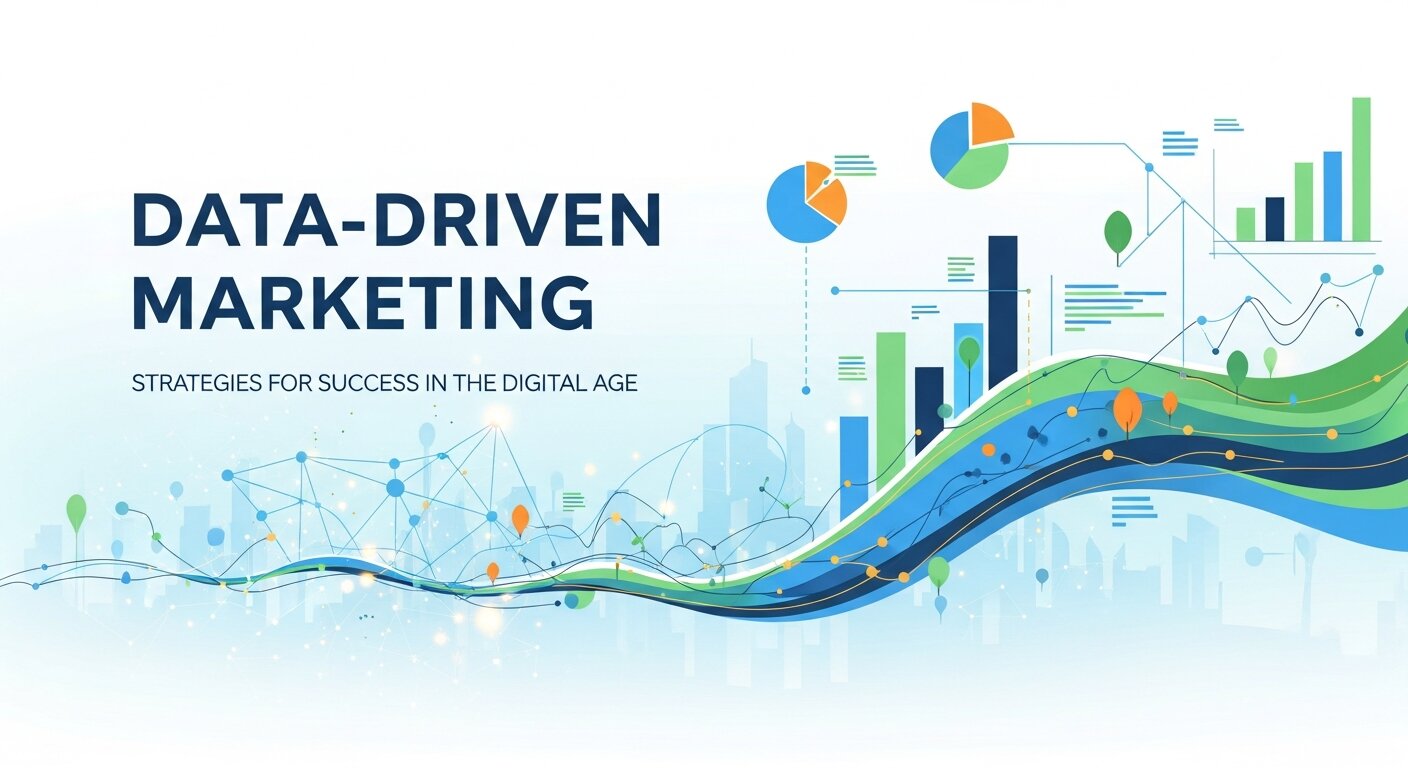
Analytical skills play a crucial role in modern marketing, where decisions are increasingly based on measurable insights rather than intuition. Professionals must interpret campaign performance metrics, audience behavior, and conversion trends to optimize strategies effectively. Strong analytical thinking allows marketers to segment audiences, evaluate performance gaps, and refine targeting approaches. By leveraging tools connected to Data Marketing Analytics, businesses can transform raw numbers into meaningful strategies that increase engagement and revenue. Analytical professionals understand how to ask the right questions, filter relevant data, and turn insights into actionable improvements. This structured approach ensures marketing investments are efficient, measurable, and aligned with business objectives.
Building Career-Ready Skills Through Structured Training
While analytical thinking can be developed independently, structured learning environments accelerate progress. Programs that focus on real-world case studies, datasets, and problem-solving simulations help learners apply theory in practical contexts. Enrolling in a Data Analysis Bootcamp provides hands-on exposure to tools, visualization techniques, and analytical frameworks used in professional environments. These immersive experiences strengthen logical reasoning, improve data interpretation accuracy, and enhance decision-making confidence. Beyond technical knowledge, participants learn how to communicate insights clearly to stakeholders. Such focused training bridges the gap between academic understanding and industry expectations, making individuals more competitive and prepared for analytical roles across multiple sectors.
Enhancing Decision-Making with Unified Customer Insights
Modern organizations rely on centralized systems to collect and interpret information from multiple touchpoints. Analytical skills enable professionals to evaluate behavioral patterns, purchasing trends, and engagement metrics across different channels. Platforms like Customer Data Platforms consolidate information from websites, apps, email campaigns, and sales systems into a unified view. With strong analytical thinking, teams can interpret this data to personalize experiences, improve retention strategies, and forecast future behavior. Rather than relying on fragmented reports, decision-makers use structured analysis to uncover hidden opportunities. This approach leads to more strategic planning, improved customer satisfaction, and data-backed business growth.
Analytical Thinking in Digital Transformation
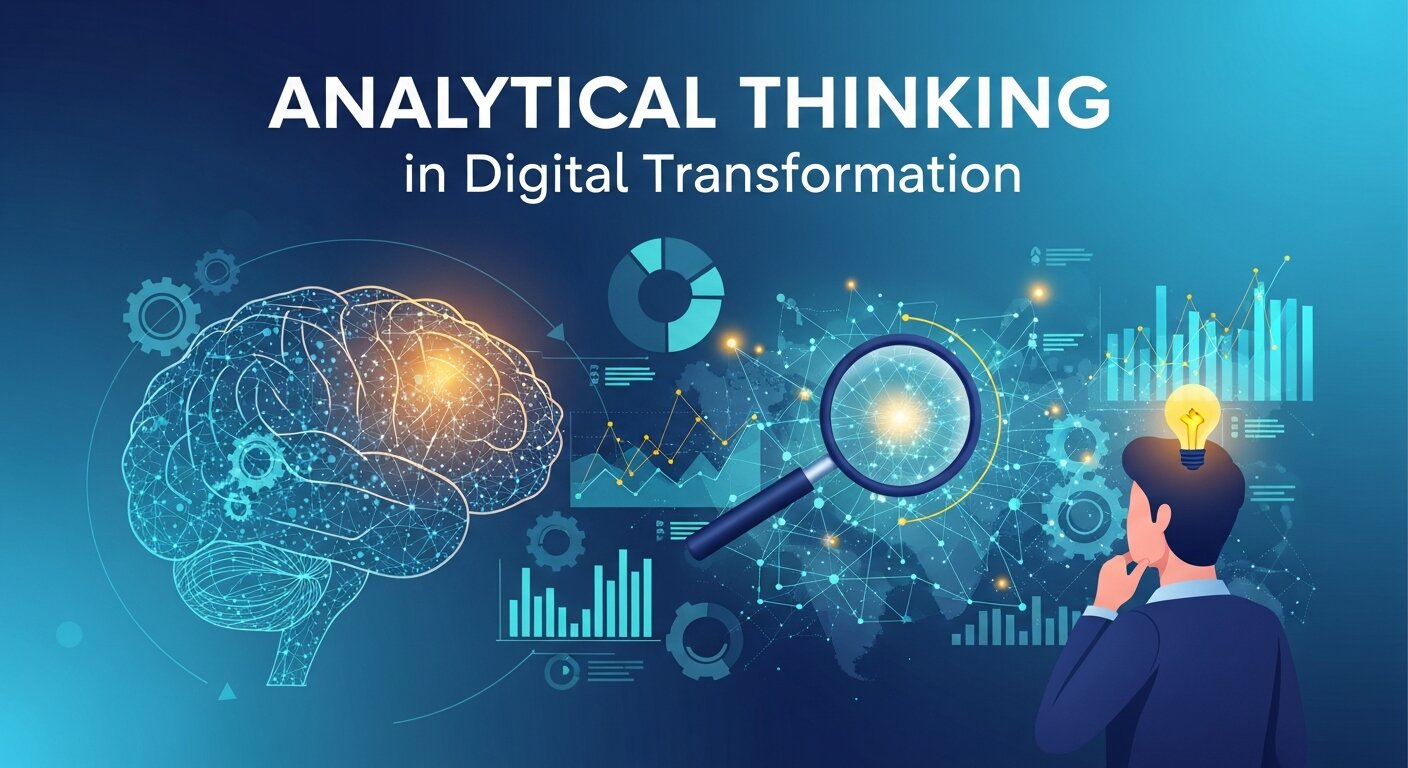
As industries undergo digital transformation, analytical skills become even more essential. Organizations now operate in environments driven by automation, artificial intelligence, and large-scale data collection. Professionals must evaluate system performance, measure digital adoption, and identify areas for optimization. Analytical thinking helps teams interpret digital metrics, compare operational efficiency, and anticipate future challenges. It also supports risk assessment when implementing new technologies or restructuring workflows. By consistently applying logic, structured reasoning, and measurable evaluation, businesses can transition smoothly into technology-driven models. In this rapidly evolving landscape, individuals who combine digital awareness with analytical expertise are positioned to lead innovation and long-term strategic growth.
Turning Insights into Strategic Action
Collecting information is only the first step; the real value lies in transforming insights into effective action. Analytical skills allow individuals to move beyond observation and implement strategic improvements. Whether evaluating employee performance, financial reports, or market trends, strong reasoning ensures that conclusions are objective and evidence-based. Professionals who think analytically prioritize clarity, identify root causes, and measure outcomes after decisions are implemented. This continuous cycle of analysis, execution, and evaluation drives sustainable improvement. Over time, this mindset strengthens leadership abilities, enhances accountability, and builds confidence in complex decision-making environments where precision and thoughtful reasoning matter most.