Love it or hate it, data analytics has become a bridge to cool and interesting career opportunities, making certifications like Google’s Data Analytics Certificate the latest hot thing for new and aspiring data analysts as well as career changers. But with so many learning options out there, is this one worth your time and money? In this blog post, we will look at the Google Data Analytics Certificate: what is it, how does it work, what are its pros and cons, and how can you tell if it’s the right fit for you?
What the Google Data Analytics Certificate Covers
The Google Data Analytics Certificate is an online professional program hosted on platforms like Coursera. It is designed for beginners who would like to acquire baseline data analytics skills and prepare for an entry-level job. The program is composed of 8 courses and takes about 6 months to complete with an effort of 10 hours/week. Here’s a closer look at the curriculum:
1. Foundations of Data Analytics
- Learn the basics of data analytics and its role in making business decisions.
2. Data Visualization
- Explore tools like Tableau and spreadsheets to create impactful visualizations.
3. Data Preparation
- Understand data collection and cleaning methods using tools like SQL and Google Sheets.
4. Exploratory Data Analysis
- Learn how to analyze data trends and draw meaningful insights.
5. Programming Essentials
- Gain hands-on experience with R programming for statistical analysis.
6. Google Tools
- Focus on Google’s ecosystem, such as BigQuery, to manage large datasets.
7. Capstone Project
- Build a portfolio-worthy project by applying your new skills to real-world scenarios.
The program offers a mix of video tutorials, quizzes, hands-on labs, and peer discussion forums, providing a well-rounded learning experience.
Benefits of the Google Data Analytics Certificate
While there are numerous data analytics certifications, the Google Data Analytics Certificate stands out for several reasons:
1. Career-Friendly for Beginners
It is a low-cost ($39/month on Coursera) no previous experience required program that’s available to anyone who wishes to migrate into the field of data analytics. Upon certificate completion, students can access job boards affiliated with major employers, including Accenture, Verizon, and Bank of America, giving students a greater opportunity to land a job.
2. Practical Skill Development
You’ll learn sought-after tools and technologies, including R, Tableau, and SQL, resulting in experience of performing tasks you may need in a real data analyst position. This is a skill set that directly correlates with what many companies require for their entry-level positions.
3. Globally Recognized Credential
Its certificate is from Google, making it a highly reputable course in the employment world. Employers see this as proof of your initiative and capacity to work with critical data tools.
4. Portfolio Building
One of the best things is the capstone project. You will build a portfolio of work to demonstrate your ability to address complex analytics challenges.
5. Flexibility
And because the entire program is online, students are able to work at their own pace. This type of flexibility is great if you’re already working full-time or need to have flexibility around other commitments.
Drawbacks and Limitations

While the Google Data Analytics Certificate has plenty of advantages, it’s equally important to understand its limitations:
1. Limited Depth
Unlike a degree in data science or a more advanced certification, this program offers only a foundational understanding of data analytics. For those pursuing specialized fields such as machine learning or predictive modeling, further education will be necessary.
2. Focus on Entry-Level Roles
The program prepares learners primarily for entry-level roles like junior data analyst or marketing analyst. If you’re looking to move into mid-level positions, additional training and experience will be required.
3. Google Ecosystem Heavy
A significant portion of the program focuses on Google’s tools (e.g., BigQuery, Google Sheets). While these tools are widely used, certain industries prioritize other platforms, such as Microsoft Azure or Python, over R.
4. Not a Guarantee
Earning the certificate doesn’t guarantee employment. Although many companies value certifications, candidates must still demonstrate problem-solving abilities, soft skills, and independent projects to stand out in the job market.
Alternatives to the Google Data Analytics Certificate
If the Google Data Analytics Certificate falls short of what you’re looking for, here are some alternatives to consider:
1. IBM Data Science Professional Certificate
Focused on Python programming and data science, this Coursera program offers a deeper emphasis on technical skills than Google’s.
2. Microsoft Excel and Power BI Courses
For those seeking to master tools central to many businesses, Microsoft’s Power BI certifications are excellent for dashboard-building and analytics.
3. Tableau Certification
If your goal is to specialize in data visualization, Tableau’s official certification programs are worth considering.
4. Degrees or Bootcamps
Short-term bootcamps like Springboard or full degrees in data analytics may suit individuals seeking comprehensive, long-term skill-building.
5. Free Online Courses
Platforms like HubSpot Academy, Khan Academy, and EdX offer free or low-cost data analytics courses for beginners.
Success Stories From Google Data Analytics Graduates
Real-world examples offer inspiration and insight into how the certificate transforms careers:
- Brianna T., a marketing assistant, used the Google Data Analytics Certificate to secure a role as a junior data analyst. She leveraged the capstone project from the program to demonstrate her proficiency.
- Michael R., a career changer from retail, said the certificate gave him both confidence and technical know-how, landing a tech job within three months.
- Ahmed K., a stay-at-home dad, transitioned into freelance data projects after completing the program, offering analytics support for small businesses.
These successes highlight the program’s potential to open doors for motivated learners.
Strengthening Spreadsheet-Based Analytical Skills
Spreadsheets remain one of the most widely used tools in business analytics. Even before transitioning to advanced platforms, many professionals begin their journey with Data Analysis in Excel to understand formulas, pivot tables, conditional formatting, and data cleaning techniques. Mastering spreadsheet analytics builds a strong foundation in structuring datasets, identifying inconsistencies, and performing quick calculations. It also improves logical thinking and reporting accuracy. For beginners enrolled in the certificate program, strengthening spreadsheet skills can significantly enhance comprehension of broader analytical concepts. Employers across industries still rely heavily on spreadsheet-based reporting, making this skill both practical and highly transferable in real-world data environments.
Applying Analytics to Marketing Strategy
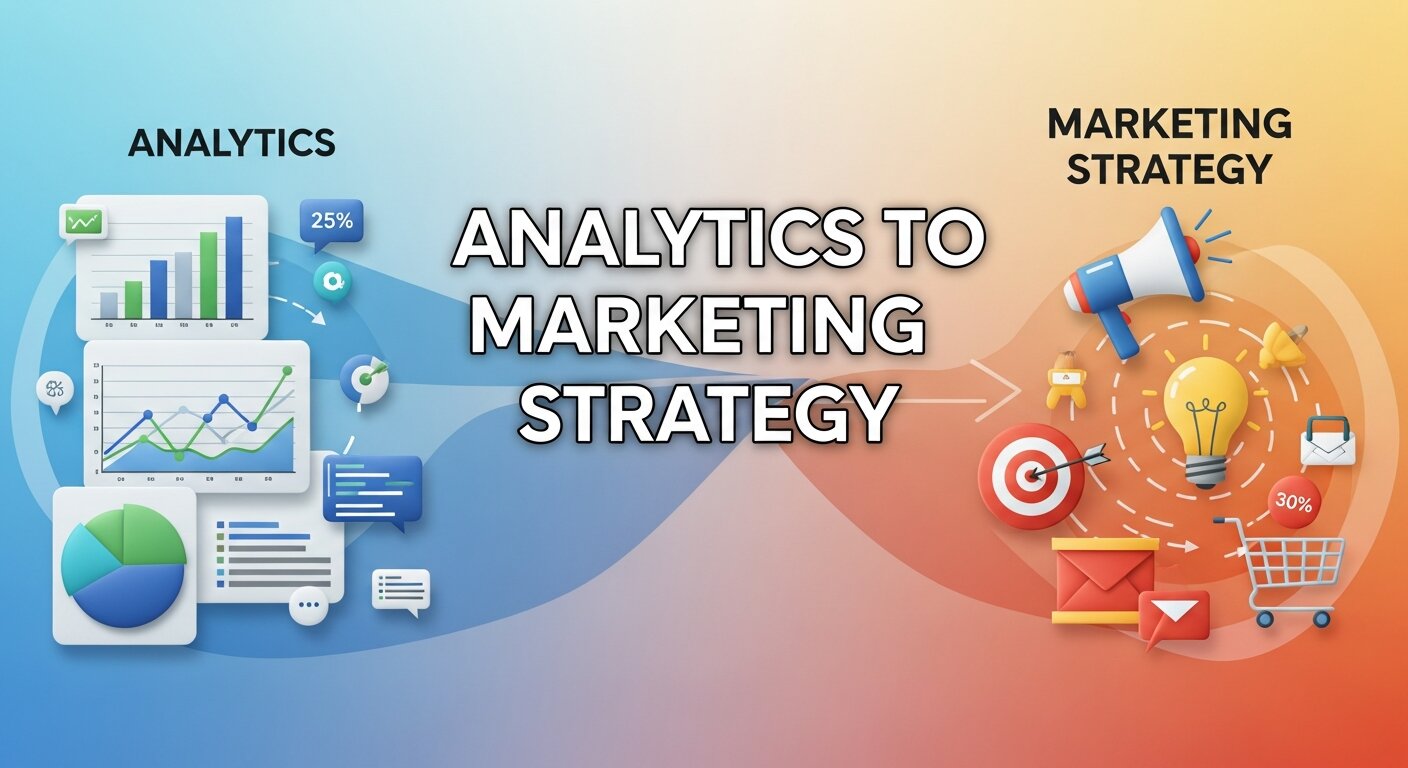
Data plays a critical role in modern marketing decisions. Understanding customer behavior, campaign performance, and conversion trends requires a structured analytical mindset. Through Data Marketing Analytics, professionals can evaluate which channels drive the highest engagement and how audiences interact with content. Combining foundational analytics skills with marketing metrics allows businesses to optimize advertising spend and personalize customer outreach. Certificate learners interested in marketing roles can apply their knowledge to track ROI, analyze customer acquisition costs, and improve targeting strategies. This intersection between analytics and marketing makes data professionals valuable assets in digital-first organizations seeking measurable and scalable growth.
Understanding Multi-Channel Performance Tracking
Today’s businesses operate across multiple digital platforms, making it essential to measure performance holistically. Cross-Network in Google Analytics enables organizations to evaluate user activity across search, display, video, and other marketing channels within a unified framework. For aspiring data analysts, understanding cross-channel attribution models improves their ability to interpret customer journeys accurately. Rather than analyzing channels in isolation, professionals can identify how different touchpoints contribute to conversions. This broader perspective supports better strategic decisions and campaign optimization. Learners who develop cross-network analysis skills increase their employability, particularly in companies that prioritize integrated digital marketing performance measurement.
Building a Strong Analytical Portfolio
Beyond certifications, employers often look for proof of practical application. Developing a personal analytics portfolio demonstrates initiative and real-world competence. Learners can create case studies using public datasets, simulate business scenarios, or analyze industry trends. Including dashboards, cleaned datasets, and written insights showcases both technical and communication abilities. A strong portfolio differentiates candidates in competitive job markets and complements the structured learning gained from certification programs. It also provides talking points during interviews, allowing candidates to confidently explain their analytical process and business reasoning. Consistent practice and documented projects significantly increase credibility and career opportunities.
Enhancing Problem-Solving and Critical Thinking
Technical knowledge alone is not enough to succeed in analytics roles. Employers value professionals who can frame problems clearly, ask relevant questions, and interpret results within a business context. Certification programs introduce structured thinking methods, but learners should actively practice breaking down ambiguous challenges into measurable components. This includes identifying key variables, selecting appropriate tools, and validating conclusions before presenting insights. Strengthening analytical reasoning helps avoid surface-level interpretations and encourages deeper investigation. Over time, consistent practice sharpens the ability to connect data findings to actionable strategies, which is a defining characteristic of successful data analysts across industries.
Preparing for Long-Term Career Growth
While entry-level certifications provide a strong starting point, long-term success in analytics requires continuous learning. As industries evolve, professionals must adapt to new tools, programming languages, and analytical frameworks. After completing foundational programs, learners may explore advanced topics such as machine learning, data engineering, or business intelligence development. Networking with industry professionals, joining analytics communities, and participating in real-world projects further accelerate growth. By viewing certification as the first milestone rather than the final destination, aspiring analysts can build sustainable careers. Commitment to lifelong learning ensures relevance in a rapidly changing data-driven economy.
Is the Google Data Analytics Certificate Worth It?
The Google Data Analytics Certificate is a great starting point for anyone looking to get into the data analytics field. Its low price, convenient schedule, and hands-on approach to learning have made it beginner-friendly, opening the door to people new to programming and professionals who are interested in making a career change. But if you’re an advanced learner looking to specialize heavily in either data science or machine learning, this may not provide everything you need.
In the end, it really depends on your career goals and level of skills right now. If you are new to the field and prepared to lift off in your learning trajectory, the certificate can offer support to your initiation. But don’t stop there! Continue increasing your knowledge by putting it to practical use, networking, and continuing your education.
Frequently Asked Questions (FAQ)
1. What is the Google Data Analytics Certificate?
The Google Data Analytics Certificate is an entry-level professional certificate program designed to teach foundational data analytics skills. It is offered by Google through Coursera and covers topics like data cleaning, visualization, SQL, R programming, and data-driven decision-making. The program is structured into eight courses and typically takes around six months to complete at a pace of about 10 hours per week.
2. Do I need prior experience to enroll?
No prior experience is required. The program is specifically designed for beginners and career changers. It starts with foundational concepts before gradually introducing technical tools and hands-on projects. Basic computer literacy and a willingness to learn are sufficient to get started.
3. How much does the certificate cost?
The certificate is subscription-based on Coursera, typically costing around $39 per month (pricing may vary by region). Since it’s self-paced, the total cost depends on how quickly you complete the program. Finishing in six months would generally cost around $234.
4. What tools and skills will I learn?
You’ll gain hands-on experience with tools such as SQL, spreadsheets, Tableau, and R programming. The program also introduces learners to Google tools like BigQuery. In addition to technical skills, it emphasizes analytical thinking, data storytelling, and problem-solving—key competencies for entry-level data analyst roles.
5. Is the certificate recognized by employers?
Yes. Because the program is created by Google, it carries strong brand recognition. Many employers value it as proof of foundational data analytics skills and initiative. However, like any certification, it works best when paired with a strong portfolio and practical experience.
6. Can this certificate help me get a job?
The certificate can improve your chances of landing an entry-level data analyst role, especially if you build a solid portfolio and actively apply for jobs. Graduates gain access to a job board featuring employers interested in hiring certificate holders. That said, it does not guarantee employment.
7. How does it compare to other data certifications?
Compared to more advanced programs like the IBM Data Science Professional Certificate, Google’s certificate is more beginner-focused and less technical in areas like machine learning. It is ideal for building foundational skills rather than deep specialization.
8. Is it suitable for career changers?
Yes, it is particularly well-suited for career changers. The program is structured to guide learners from basic concepts to practical application, making it accessible for individuals transitioning from non-technical backgrounds into data analytics.
9. Does the program include a portfolio project?
Yes. The capstone project allows learners to apply their knowledge to a real-world scenario. This project can be added to your professional portfolio and shared with potential employers as proof of your skills.