Predictive analytics is a buzzword in business today, but what does that really mean? And, more importantly, why do businesses increasingly depend upon it to make important decisions? At its very heart, predictive analytics allows a business to use their data to project the future with a remarkable amount of accuracy.
In this blog, we will dissect what predictive analytics is, where it is being used, what it can do, as well as the benefits and limitations and some of the most interesting trends to be on the lookout for in the future. By the time it’s over, you’ll know what predictive analytics is and what it can do to change the way businesses are run.
Understanding Predictive Analytics
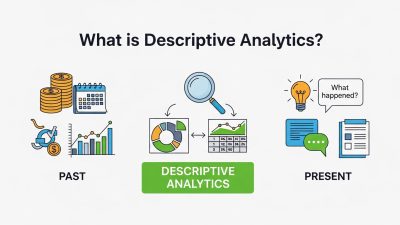
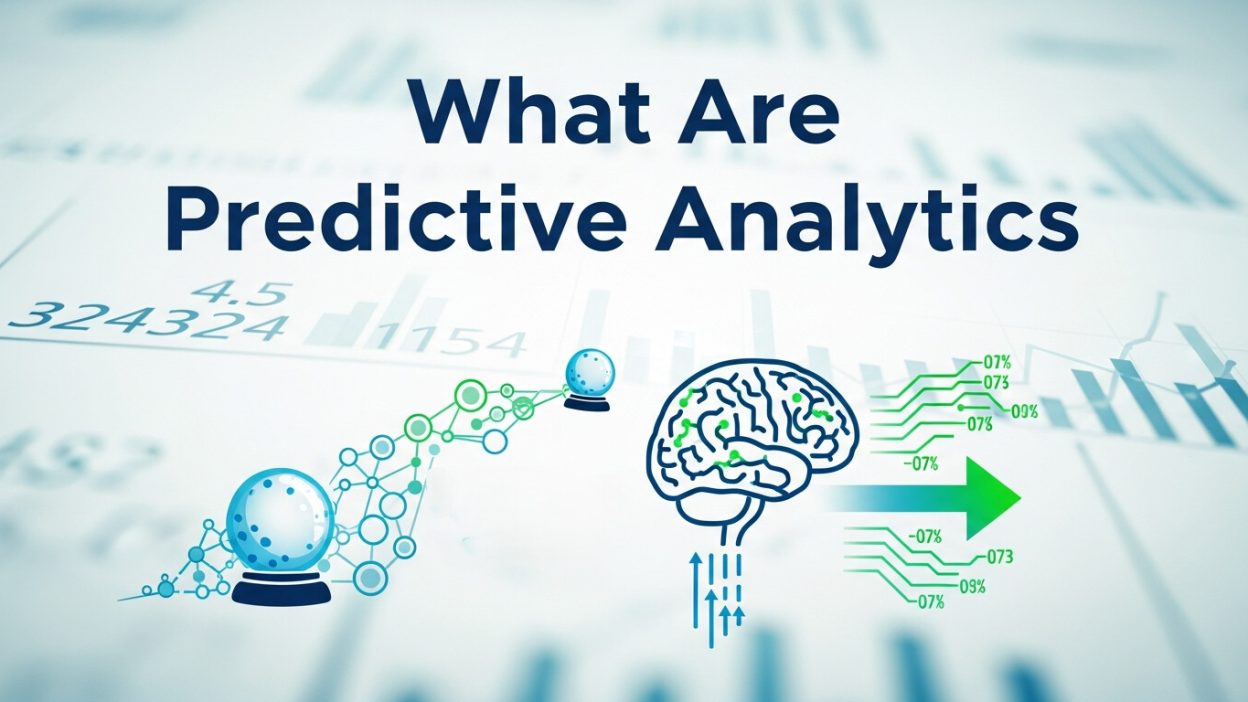
Predictive analytics is the practice of determining likely outcomes based on historical data through the use of statistical algorithms and machine learning. Predictive Analytics is different from traditional, historical-in-view basic data analysis in that it is much more concerned with understanding and predicting what will happen in the future, as opposed to explaining what has already happened (as in “why your sales dipped last quarter?”).
Like, a retail company doing predictive analytics to figure out how many units of a certain product will sell next month, and therefore how to plan their inventory and pricing. If you’re in retail, healthcare, or finance, there’s a good chance predictive analytics can give you the intelligence necessary to outmaneuver your competition.
To go beyond forecasting, many businesses are also exploring what prescriptive analytics can offer.
Common Use Cases
- Forecasting Sales: Businesses can anticipate fluctuations in demand and prepare ahead of time.
- Customer Retention: By analyzing customer behavior, companies can identify at-risk customers and develop strategies to retain them.
- Risk Mitigation: Credit card issuers rely on predictive analytics to detect potential fraud, saving millions annually.
How Predictive Analytics Works
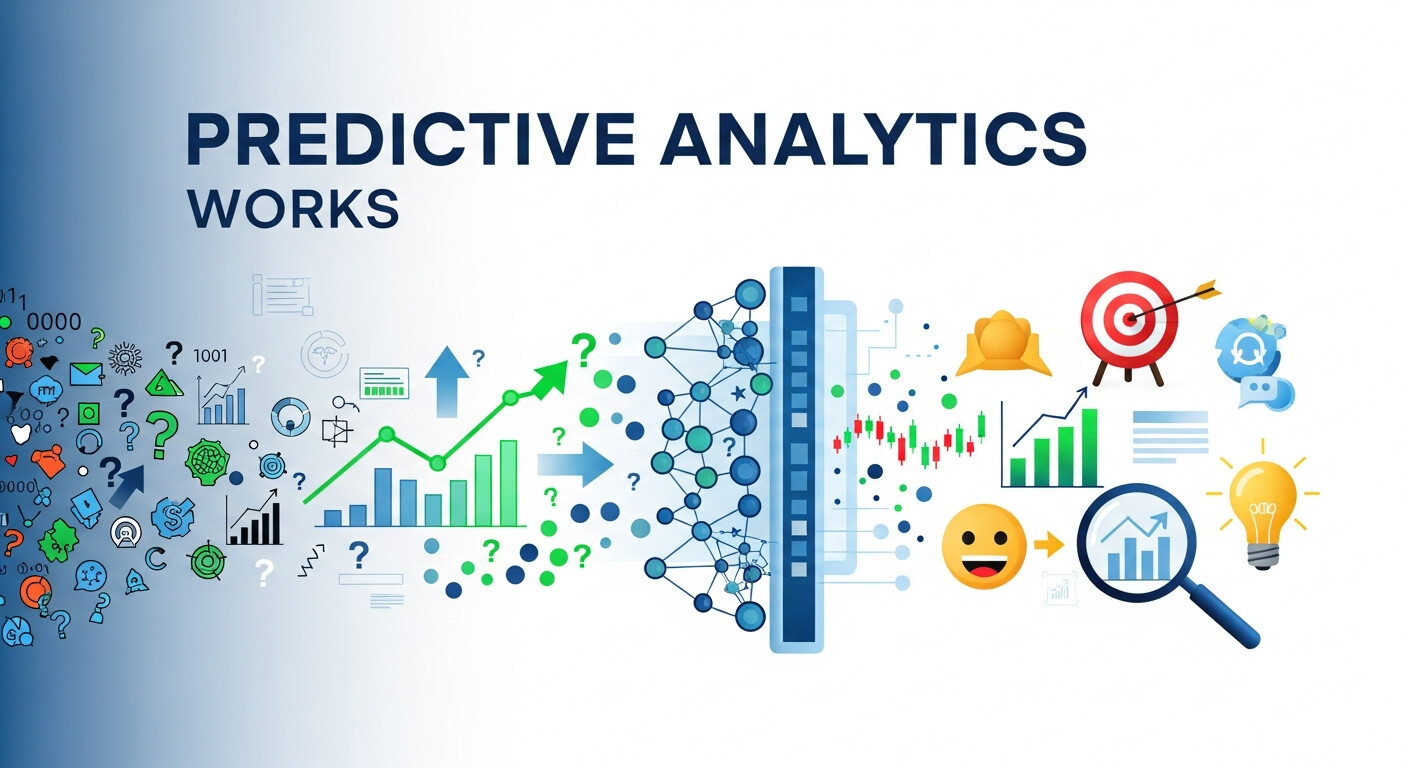
Predictive analytics may sound complex, but the process can be broken down into three main phases. Here’s how it functions step by step:
1. Data Collection
Predictive analytics begins with data. This could be structured data (like numbers in databases) or unstructured data (such as social media posts). Companies collect data from a variety of sources, including customer purchase history, website interactions, sensor data, and public records.
For example, an e-commerce site could gather a customer’s browsing behavior, purchase frequency, and engagement with promotional emails. Over time, this data forms the foundation for predictions.
2. Statistical Analysis
After data is assembled, you get to the statistical analysis and pattern recognition. Analysts first clean up the data by getting rid of contradictions, copies or unrelated information. After that, trends or patters are extracted through statistical methods.
For example, a hotel chain might observe patterns indicating high cancellations during specific times of the year. With this insight, the company can adjust their offerings and marketing strategies.
3. Predictive Modeling
The last part of the process is to develop predictive models. With the help of machine learning algorithms, companies can develop models to predict outcomes. These models can be a regression model, a decision tree and a neural network etc.
For instance, restaurants may use a predictive model to estimate if a rainy day will reduce foot traffic, allowing them to schedule fewer staff members ahead of time.
Applications of Predictive Analytics in Business

Now that we’ve discussed how predictive analytics works, where is it most commonly applied? Here are some examples of its broad and powerful applications:
Marketing and Customer Insights
Companies can personalize marketing thanks to predictive analytics. With customer data, businesses can predict shopping patterns and customize targeted ads. A direct-to-consumer retailer could predict a propensity to purchase hiking shoes based on recent searches, and offer discounts or promotion that are hiking related.
Human Resources
The cost of hiring the wrong candidate is simply too high, and this is where predictive analytics really can make a difference. HR departments employ predictive models to predict which candidates are most likely to succeed in certain positions. These models analyze the performance of previous hires to learn patterns, and hence the success probability of a new placement.
Supply Chain Management
And supply chain disruptions can cost companies millions. Leaders can use predictive analytics to spot potential bottlenecks and optimize logistics on the fly. For instance, shipping companies can utilize weather data to anticipate routes that could experience delays and plan accordingly.
Risk Assessment in Financial Industries
Credit risks have been evaluated in the banking system using predictive analytics. Factoring in financial history, spending habits and market trends, the banks can more easily make a decision as to whether customers qualify for loans or at what interest rates.
Benefits of Using Predictive Analytics
Implementing predictive analytics offers a broad spectrum of benefits that can position companies ahead of their competitors.
- Improved Decision-Making
Perhaps the greatest strength of predictive analytics is the ability to make data-driven decisions. Access to accurate forecasts reduces guesswork and allows businesses to move with greater confidence.
- Cost Efficiency
Knowing when and where to allocate resources prevents unnecessary expenses. For example, retail stores can optimize inventory by forecasting demand and avoiding overstock or understock situations.
- Enhanced Customer Experience
By anticipating customer needs, companies can deliver personalized experiences, strengthening customer loyalty and engagement. Predictive analytics helps build relationships that keep customers coming back.
- Mitigating Risks
Predictive analytics keeps businesses one step ahead of potential pitfalls. Whether it’s identifying fraudulent activity or predicting machinery breakdowns in manufacturing, it allows companies to act proactively rather than reactively.
Challenges and Limitations of Predictive Analytics
While predictive analytics is powerful, it does come with its challenges and limitations that should not be overlooked.
Data Quality Issues
The accuracy of predictive analytics heavily relies on the quality of data. Poorly collected or outdated data can lead to unreliable predictions, which could negatively impact decision-making.
Privacy Concerns
Collecting and analyzing customer data raises ethical concerns about privacy. Businesses must be transparent and compliant with legal regulations like GDPR to ensure data is handled responsibly.
Implementation Costs
Adopting predictive analytics often requires significant investments in technology, skilled personnel, and training. For smaller businesses with limited budgets, this can represent a significant barrier to entry.
Dependence on Historical Data
Predictive models base their forecasts on past trends. However, unexpected changes, such as shifts in consumer behavior or market disruptions, can undermine these predictions.
Mastering the Basics
Understanding the fundamentals of predictive analytics is essential before diving into complex models. Beginners should focus on collecting high-quality data, recognizing patterns, and interpreting results accurately. Participating in a Data Analysis Bootcamp can provide hands-on experience with real datasets, teaching foundational skills like data cleaning, visualization, and exploratory analysis. Learning these basics ensures that predictive models are built on reliable inputs, improving the accuracy of forecasts. By mastering core principles first, businesses and individuals can confidently progress to advanced statistical techniques, reducing errors and enhancing decision-making. Solid foundational knowledge lays the groundwork for long-term predictive analytics success.
Advanced Data Insights
Once the basics are understood, predictive analytics can be expanded using Data Analysis Techniques such as regression, clustering, and classification. These techniques help identify hidden trends, anticipate customer behavior, and detect anomalies in datasets. Applying the right method depends on the type of data and the business objective, whether it’s forecasting sales, reducing churn, or optimizing operations. Combining multiple techniques often provides more accurate predictions, allowing companies to make informed strategic decisions. Continuous learning and experimenting with new approaches enhances the ability to uncover valuable insights that may remain invisible with traditional analysis.
Streamlining Decision-Making
Predictive analytics transforms raw data into actionable intelligence. By applying advanced modeling methods, businesses can forecast outcomes before they occur, enabling smarter decisions. Teams trained in predictive analytics often rely on interactive dashboards and visualizations to interpret results quickly. This approach not only reduces guesswork but also improves efficiency, saving time and resources. Integrating lessons from Data Analysis Bootcamp experiences helps teams better understand data pipelines, automate repetitive tasks, and focus on high-impact decisions. Over time, predictive insights become a cornerstone of business strategy, ensuring every choice is backed by reliable evidence.
Optimizing Customer Engagement
Predictive analytics allows businesses to anticipate customer preferences and tailor experiences for maximum satisfaction. By analyzing behavioral data, trends can be spotted, and personalized marketing campaigns can be developed. Leveraging Data Analysis Techniques, such as segmentation and propensity scoring, enables companies to identify high-value customers and predict churn. This proactive approach strengthens loyalty and enhances engagement by offering the right products or services at the right time. Organizations that consistently apply predictive insights create a competitive advantage, turning data into meaningful interactions and measurable growth.
Enhancing Team Skills with Analytics
Predictive analytics is only as effective as the team using it. Investing in training ensures employees understand data, models, and insights. Workshops, hands-on exercises, and courses help teams interpret trends, reduce errors, and communicate findings clearly to stakeholders. Participating in a Data Analysis Bootcamp equips employees with practical skills like data cleaning, visualization, and predictive modeling, allowing them to apply techniques confidently in real business scenarios. A well-trained team can leverage analytics to improve operations, marketing strategies, and customer experiences. Over time, building internal expertise transforms data from static numbers into actionable intelligence, making the organization more agile, innovative, and competitive in a fast-changing market.
Future Trends in Predictive Analytics
Despite its limitations, predictive analytics is rapidly evolving. Here are some exciting trends shaping its future:
- AI Integration
Machine learning algorithms are becoming increasingly sophisticated, allowing for more accurate and complex predictions.
- Real-Time Analytics
Advancements in technology are enabling businesses to use predictive analytics in real time, helping them react swiftly to changes.
- Democratization of Tools
Predictive analytics platforms are becoming more user-friendly and accessible, allowing smaller businesses to harness its power without needing large IT teams.
- Predictive Analytics Everywhere
Expect to see predictive analytics embedded in consumer-facing apps, from fitness tracking to healthcare management, making it part of our everyday lives.
Transform Your Business With Predictive Analytics
Predictive analytics is redefining the way businesses operate, empowering them to predict customer behavior, streamline operations, and make better decisions. While challenges like data quality and implementation costs exist, the potential benefits far outweigh the hurdles.
If you’re ready to unlock the power of predictive analytics for your business, start exploring tools and platforms that make implementation easy. The future of business success hinges on leveraging data to stay competitive.
Don’t wait for the future. Start forecasting it!
Frequently Asked Questions (FAQ)
1. What is predictive analytics in simple terms?
Predictive analytics is the use of historical data, statistical algorithms, and machine learning to forecast future outcomes. Instead of just analyzing what happened in the past, it helps businesses anticipate trends, customer behavior, and potential risks to make better decisions.
2. How does predictive analytics differ from regular data analysis?
Traditional data analysis looks backward to understand why something happened. Predictive analytics looks forward, using patterns from past data to forecast future events and guide proactive decision-making.
3. What types of businesses use predictive analytics?
Predictive analytics is used in retail, finance, healthcare, manufacturing, marketing, and human resources. Any business that relies on data to optimize operations, improve customer experience, or manage risk can benefit.
4. What are common tools for predictive analytics?
Popular tools include IBM SPSS, SAS, Microsoft Azure Machine Learning, Google Cloud AI, RapidMiner, and Python or R programming libraries. These tools help build models, analyze data, and make accurate forecasts.
5. Can small businesses use predictive analytics?
Yes. Many predictive analytics platforms are now user-friendly and affordable, allowing small businesses to forecast demand, understand customer behavior, and optimize operations without a large IT team.
6. What are the key benefits of predictive analytics?
Predictive analytics improves decision-making, enhances customer experience, increases cost efficiency, and helps mitigate risks. By anticipating trends and behaviors, businesses can stay ahead of competitors and act proactively.
7. Are there risks in using predictive analytics?
Yes. Poor data quality, reliance on historical trends, privacy concerns, and high implementation costs can limit effectiveness. Businesses must ensure accurate data, comply with regulations, and continuously monitor models.
8. How does predictive analytics help marketing?
It helps businesses personalize campaigns, predict customer preferences, identify high-value leads, and optimize ad spend. For example, predictive models can target customers likely to buy specific products based on past behavior.
9. Is predictive analytics the same as AI?
Not exactly. Predictive analytics often uses AI and machine learning algorithms to improve accuracy, but AI can also perform broader tasks beyond prediction, such as natural language processing or computer vision.
10. What trends are shaping the future of predictive analytics?
Future trends include AI integration for smarter models, real-time analytics for instant decision-making, democratization of tools for wider access, and embedding predictive insights in everyday apps and business processes.