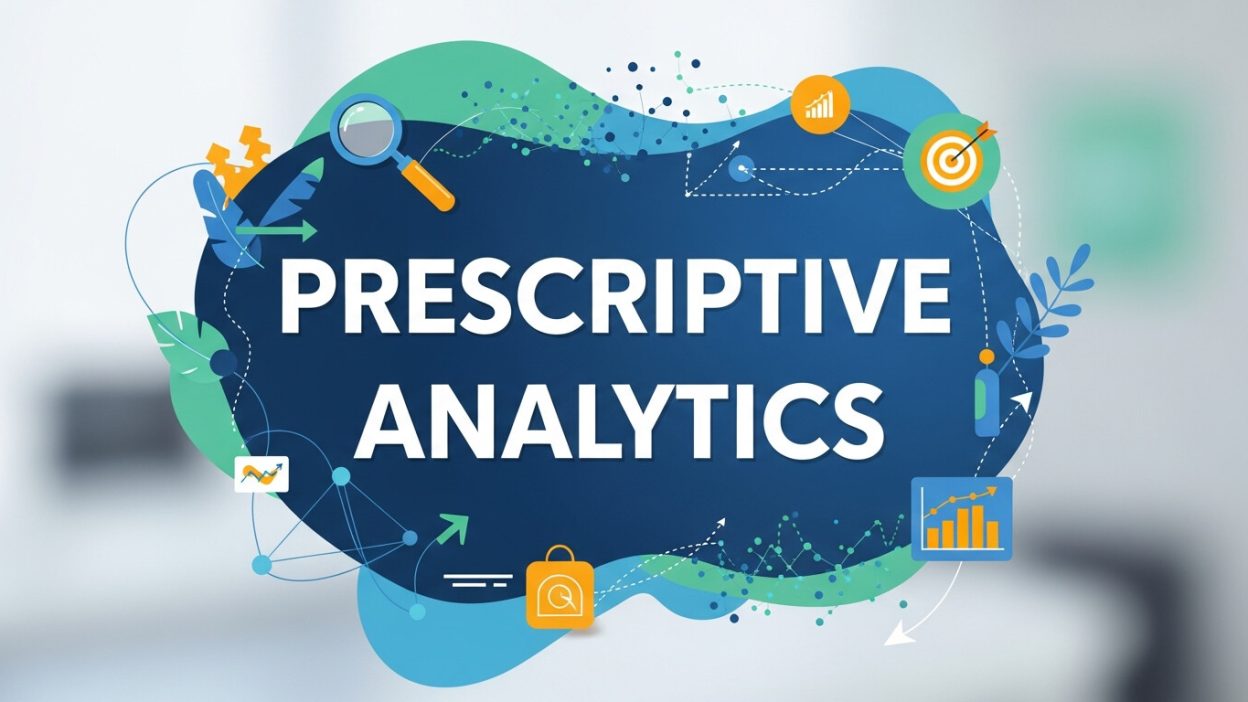
Prescriptive analytics emerges as a significant enabler of decision making in industries. If you’re wondering what prescriptive analytics is and how it can revolutionize your business strategies, then this guide is for you. By the time you finish reading this post, you’re going to know what is it, how it works, where it can be applied, what the benefits are, and which tools you can use to implement it.
What is Prescriptive Analytics?
Prescriptive analytics is a level above predictive analytics. Whereas it can help to predict future events based on history, it goes further than that by providing the best course of action to reach an outcome. Think of it as not just the possession of a crystal ball but also being given guidance on what to do with what the future is going to bring.
Whether that means streamlining supply chains, driving customer engagement, or increasing the influence of their operations, it delivers potentially transformative answers that can help businesses make smarter moves. It is all the rage across multiple sectors, including, but not limited to, health, finance, manufacturing and more.
Prescriptive analytics is being opened by the development of AI and ML. But how does it work, exactly? Let’s break it down.
How Prescriptive Analytics Works
It typically involves three key steps:
1. Data Collection and Preparation
Prescriptive starts with massive amount of data from where ever. This information can take a range of forms –- past records, up-to-the-minute analytics, market trends, or even external ones such as weather forecasts or economic indicators. The data must be cleaned and formatted for accuracy and reliability before it is analyzed.
2. Advanced Algorithms and Models
After that data is prepared, advanced mathematical algorithms, machine learning models and optimization are used. These systems read data and draw connections between pieces of information, in the process learning to anticipate various outcomes.
Examples of techniques include:
- Simulation modeling to understand “what-if” scenarios.
- Optimization algorithms to select the best course of action among various options.
- Rule-based systems for decision-making logic.
3. Actionable Recommendations
The last task is to derive some insights and recommendations from the analysis. The system is guided by a set of explicit rules, which enable decision makers to determine the best options consistent with any set of considerations.
Real-Time Adjustments
Adaptive Scaling One of the dividing lines in the evolution of analytics in the capability perspective between prescriptive analytics and the rest is its power to cope with changes in real-time. That translates to recommendations that remain current as external forces change.
Benefits of Prescriptive Analytics
It offers a host of advantages that can revolutionize the way businesses operate:
1. Better Decision-Making
By offering recommendations based on your data, it takes the guesswork out of decision-making. It helps businesses to quickly and confidently make the right choices.
2. Optimized Resources
Whether it’s putting budgets in the right place to managing operations, prescriptive Click to share on Twitter (Opens in new window) analytics wants to make sure that everything is working as it should in the most effortless and efficient way possible. And that ultimately means saving money and getting a better return on investment.
3. Enhanced Customer Satisfaction
Prescriptive analytics can revolutionize the customer experience. For instance, by studying the behavior of customers, companies can propose to them custom products or services that enhance engagement and satisfaction.
4. Risk Mitigation
“Predictive along with prescriptive offerings enable businesses to proactively address and reduce risks. When it comes to predicting supply chain disruptions or catching fraud, the technology is a game changer.
5. Competitive Advantage
Companies that use prescriptive analytics have an incredible advantage as they adjust quickly to market conditions and customer needs.
Before applying prescriptive techniques, it helps to understand what predictive analytics are and how they’re transforming business.
Examples of Prescriptive Analytics in Action
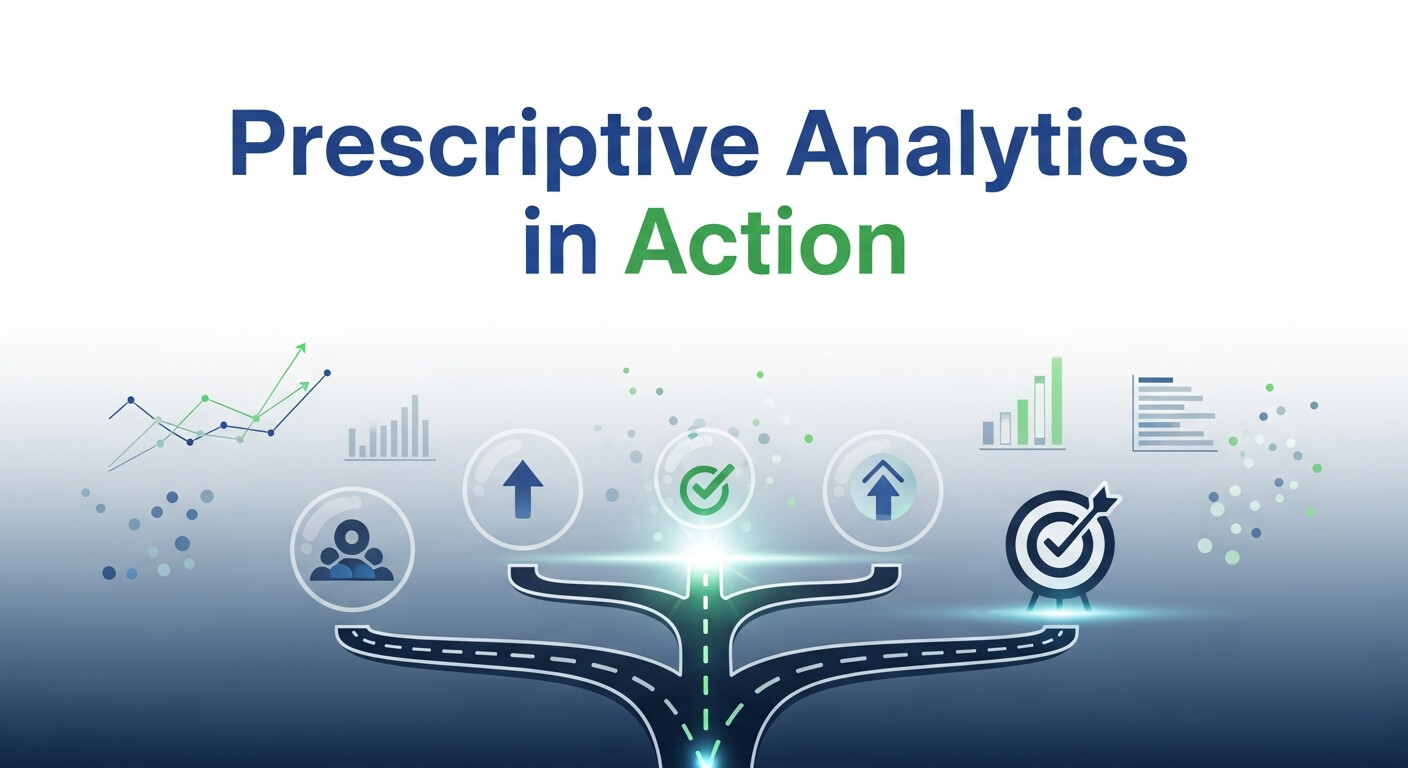
To see prescriptive analytics at work, let’s explore a few real-world applications:
-
Healthcare
Hospitals use prescriptive analytics to optimize patient care. For instance, by analyzing historical patient records, hospitals can predict patient admissions and allocate staff and resources accordingly.
-
Retail
Retailers rely on prescriptive analytics to provide personalized product recommendations to customers based on purchasing history and preferences. Amazon’s recommendation engine is a prime example of this.
-
Supply Chain Management
Prescriptive analytics can optimize delivery routes, reduce transportation costs, and minimize delays by analyzing logistics data in real-time.
-
Finance
Financial institutions use prescriptive analytics to manage risks, detect fraud, and optimize investment strategies.
-
Manufacturing
Manufacturers leverage prescriptive tools to predict equipment failure and schedule preventive maintenance, minimizing unplanned downtime.
Tools and Technologies for Prescriptive Analytics
Employing prescriptive analytics requires robust tools and platforms equipped with advanced analytical capabilities. Some popular options include:
-
IBM Watson Studio
A powerful platform combining AI, machine learning, and optimization to deliver prescriptive insights.
-
Google Cloud AI
Offers a suite of AI and machine learning products that support large-scale data analysis and decision automation.
-
SAP Analytics Cloud
A comprehensive analytics solution that integrates data visualization, predictive analytics, and prescriptive insights.
-
Microsoft Azure AI
Provides scalable cloud-based tools for predictive and prescriptive analytics.
-
Alteryx
A user-friendly analytics platform that simplifies data preparation and advanced modeling for prescriptive purposes.
These platforms integrate seamlessly with existing systems, making it easier for organizations to unlock the potential of their data.
Challenges and Considerations
While prescriptive analytics is incredibly powerful, its implementation is not without challenges:
1. Data Quality and Availability
Reliable insights hinge on the quality and accuracy of the data used. Businesses may need to invest in data quality management to ensure success.
2. Complexity
Building and managing prescriptive models can be complex, requiring skilled professionals with expertise in AI, machine learning, and data analytics.
3. High Costs
The technology, infrastructure, and expertise required to deploy prescriptive analytics can be expensive, presenting a barrier for small and medium-sized businesses.
4. Ethical Concerns
Leveraging customer data for analytics raises questions around privacy and compliance. Companies need to ensure they adhere to regulations like GDPR and maintain transparency in their data usage.
Leveraging Customer Insights
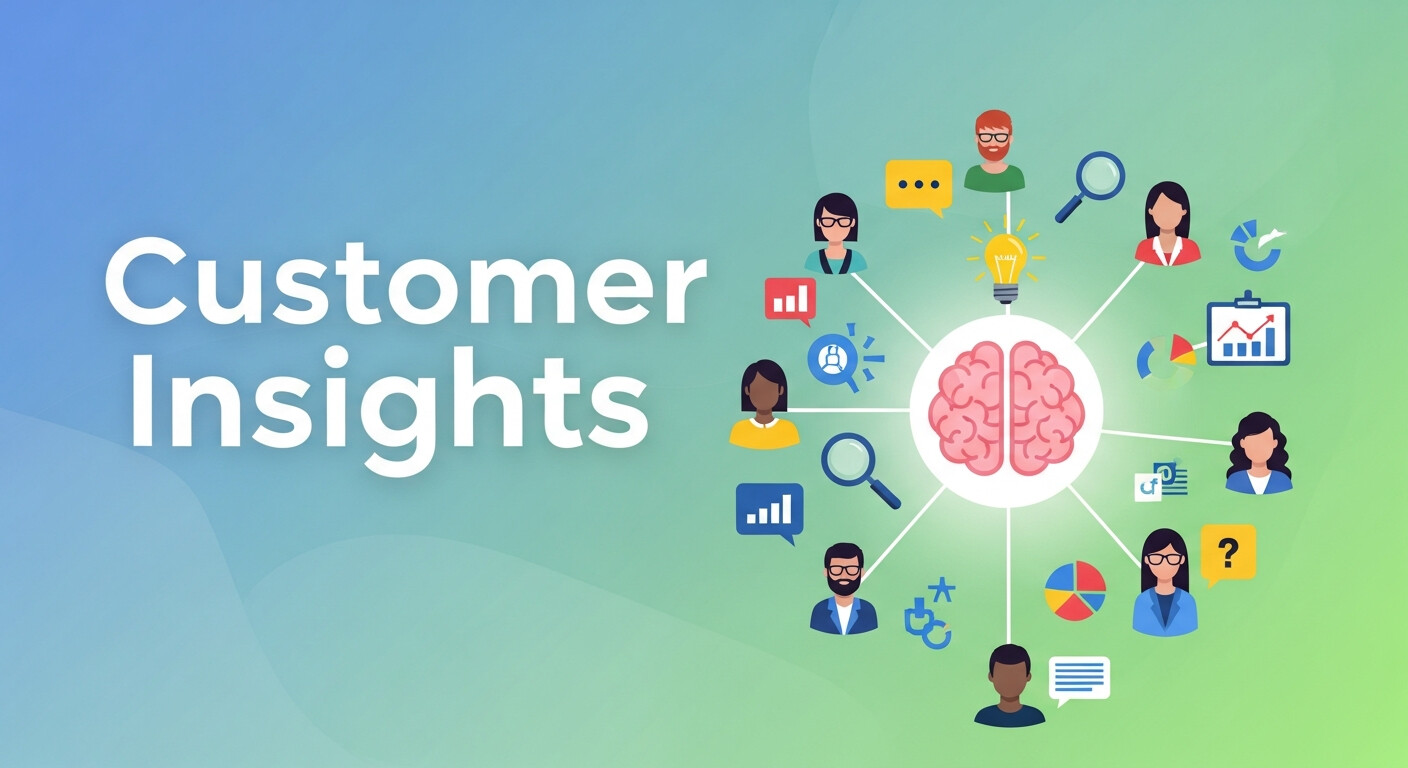
Understanding your customers is key to business success. By gathering and analyzing detailed behavioral data, companies can tailor experiences, recommend relevant products, and improve engagement. Modern analytics platforms allow businesses to integrate multiple data sources, providing a holistic view of customer preferences, purchase patterns, and interactions. When paired with advanced decision-making models, these insights help in creating targeted marketing campaigns, personalized offers, and loyalty programs. Utilizing a Customer Data Platform can streamline this process, making it easier to collect, segment, and activate customer data efficiently. This approach not only boosts sales but also strengthens relationships by ensuring communications feel relevant and timely to the audience.
Optimizing Marketing Strategies
Marketing campaigns often fail when they are based on assumptions rather than data. By analyzing historical trends, customer feedback, and engagement metrics, businesses can identify which strategies yield the best results. Analytics tools help track campaign performance, pinpoint high-performing channels, and optimize content delivery for maximum impact. Companies can also use insights from segmentation and predictive modeling to personalize messaging, reduce wasted spend, and increase ROI. Participating in a Data Marketing Analytics program can train teams to interpret results more effectively, enabling data-driven decision-making that aligns marketing strategies with actual customer behavior and market demands, improving both conversion rates and brand loyalty.
Enhancing Operational Efficiency
Operational efficiency is a critical driver of profitability. Businesses can optimize workflows by analyzing production data, resource utilization, and process bottlenecks. Advanced analytics models help simulate different scenarios, allowing managers to make informed decisions about resource allocation, scheduling, and supply chain adjustments. This ensures that operations are streamlined, costs are minimized, and service delivery is improved. Leveraging insights from real-time data enables proactive problem-solving and better planning for peak periods. Teams that undergo a Data Analysis Bootcamp can develop the necessary skills to interpret complex datasets, automate routine processes, and apply analytical techniques that improve overall operational efficiency and agility in a competitive market.
Risk Management and Fraud Prevention

Modern businesses face various risks, from financial fraud to supply chain disruptions. Using data-driven techniques allows companies to detect anomalies, identify potential threats, and take preventive measures. Predictive and prescriptive analytics models assess historical data, flag unusual patterns, and provide actionable recommendations for mitigating risk. Businesses can prioritize high-risk areas, allocate resources strategically, and implement safeguards to minimize losses. Combining these insights with structured dashboards ensures that decision-makers receive clear, timely warnings. Organizations that integrate advanced analytics with Customer Data Platforms gain a dual benefit: understanding customer behavior while simultaneously identifying fraud patterns, ultimately protecting both the business and its clients.
Improving Customer Experience
Customer satisfaction is no longer optional—it’s a key competitive differentiator. By leveraging analytics, companies can monitor engagement, identify pain points, and deliver personalized experiences. Insights derived from historical interactions, purchase history, and demographic data help businesses predict preferences, recommend suitable products, and resolve issues proactively. This targeted approach enhances loyalty, reduces churn, and increases revenue per customer. Teams trained in Data Marketing Analytics can design campaigns that respond to user behavior in real time, ensuring that offers and messages resonate. Overall, a data-informed approach creates a seamless, satisfying experience for customers, while helping businesses achieve strategic growth objectives.
Training Teams for Data Competency
A skilled workforce is essential for extracting meaningful insights from complex datasets. Providing staff with hands-on experience in analytics empowers them to make informed decisions, identify patterns, and solve problems efficiently. Workshops, bootcamps, and continuous learning programs cultivate expertise in data visualization, predictive modeling, and statistical analysis. This training allows employees to turn raw information into actionable business strategies, bridging the gap between technology and decision-making. A structured Data Analysis Bootcamp ensures participants gain practical skills, enhancing their confidence in interpreting data, presenting insights, and influencing strategic outcomes, ultimately fostering a culture where data-driven decision-making is embedded throughout the organization.
Driving Revenue Growth Through Insights
Data-driven decisions are a major catalyst for revenue growth. By analyzing customer behavior, market trends, and campaign performance, businesses can identify opportunities to upsell, cross-sell, or expand into new markets. Prescriptive analytics tools help simulate potential outcomes, allowing companies to invest resources wisely and optimize pricing, promotions, and inventory management. Companies can integrate these insights into broader strategies, ensuring that actions align with long-term business goals. Platforms that combine analytics with a Customer Data Platform allow organizations to personalize experiences at scale, improve customer retention, and unlock new revenue streams while maintaining a strong understanding of market dynamics and operational efficiency.
The Future of Prescriptive Analytics
The future of prescriptive analytics is full of promise, with ongoing advancements likely to make the technology even more powerful and accessible. Areas of innovation include:
-
AI and Automation
AI advancements will enable even more accurate and nuanced decision-making with minimal human intervention.
-
Integration with IoT
With the proliferation of IoT devices, real-time data collection will improve, enhancing the capabilities of prescriptive analytics.
-
Democratization of Technology
The availability of easy-to-use tools and platforms will empower smaller businesses to harness the benefits of prescriptive analytics.
-
Industry Expansion
While industries like healthcare and retail are leading adopters, more sectors, from agriculture to energy, are expected to join the fold.
Leverage Prescriptive Analytics to Transform Your Business
Prescriptive analytics offers immense potential to revolutionize business strategies by bridging the gap between data insights and decision-making. But whether it’s optimizing operations, enhancing customer experiences, or predicting market trends, success relies on implementing the right tools and approaches.
Are you ready to incorporate prescriptive analytics into your organization? Explore our solutions to get started and stay ahead of the curve.
Frequently Asked Questions (FAQ)
1. What is prescriptive analytics?
Prescriptive analytics is a type of advanced analytics that goes beyond predicting future outcomes. It provides actionable recommendations, helping businesses decide the best course of action to achieve desired results.
2. How is prescriptive analytics different from predictive analytics?
While predictive analytics forecasts what might happen based on historical data, prescriptive analytics goes further by recommending actions to optimize outcomes and improve decision-making.
3. Which industries can benefit from prescriptive analytics?
Industries like healthcare, finance, retail, manufacturing, and supply chain management use prescriptive analytics to optimize operations, reduce risks, and improve customer experiences.
4. What tools are commonly used for prescriptive analytics?
Popular tools include IBM Watson Studio, Google Cloud AI, SAP Analytics Cloud, Microsoft Azure AI, and Alteryx. These platforms combine AI, machine learning, and optimization for actionable insights.
5. What are the benefits of prescriptive analytics?
Benefits include improved decision-making, optimized resource allocation, risk mitigation, enhanced customer satisfaction, and gaining a competitive advantage.
6. What challenges should businesses consider?
Challenges include ensuring data quality, managing complex models, high costs of implementation, and ethical considerations related to privacy and compliance.
7. Can small businesses use prescriptive analytics?
Yes. With the democratization of technology and user-friendly platforms, even small and medium-sized businesses can implement prescriptive analytics, although they may need to prioritize data quality and cost-effective tools.
8. How can prescriptive analytics improve decision-making?
Analyzing data and generating actionable recommendations, it removes guesswork and allows organizations to make informed, timely, and optimized decisions for operations, marketing, and strategy.