Unlock the power of sales analytics to boost revenue, improve conversion rates, and streamline sales processes. Learn how to track key metrics, leverage CRM and visualization tools, and implement data-driven strategies. Discover actionable insights, real-world case studies, and future trends in AI-driven analytics to optimize team performance and drive business growth effectively.
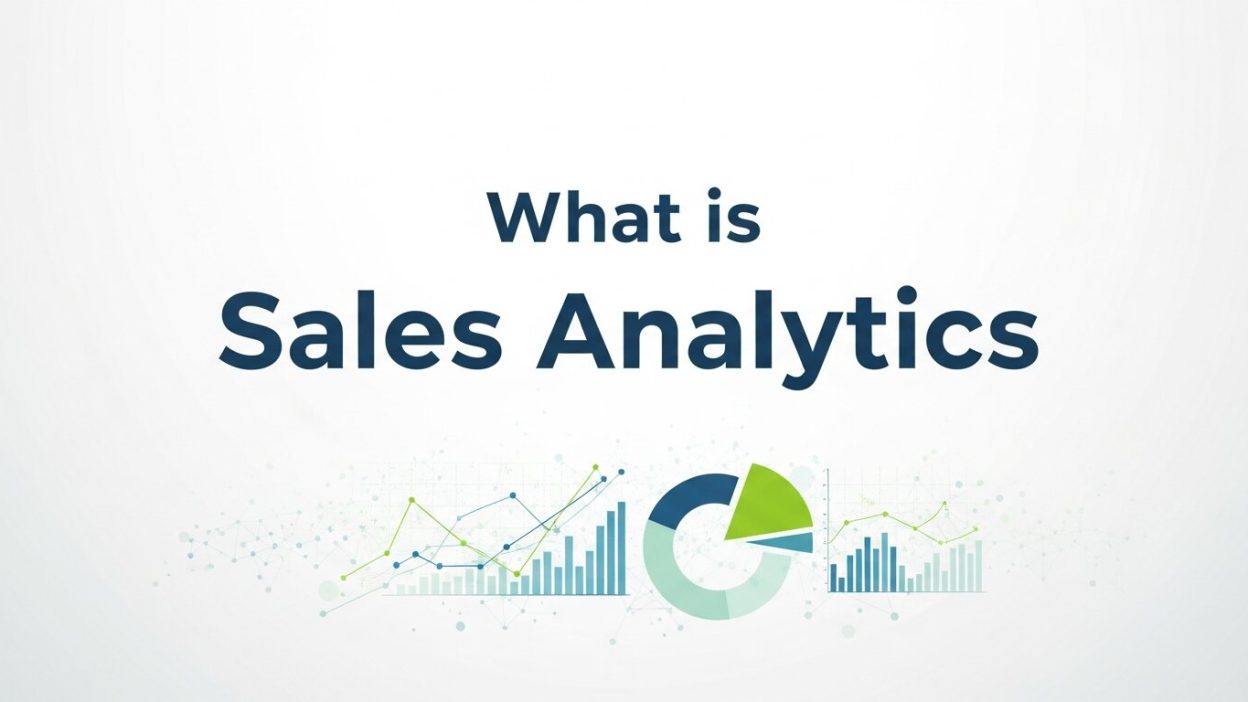
What is Sales Analytics?
Sales analytics are the practices and technologies that enable the systematic analysis and interpretation of information from a company’s sales. And to give you an idea of what they look like in practice: You’re the person we hired to bring analytical thinking to your sales organization.
This includes monitoring the sales metrics in order to identify what’s working, what isn’t, and what changes can be made in sales strategies to ensure Odalys City? 8181, you’re going to close more deals.
This approach uses data from customer interactions, sales pipelines, and other operations to turn raw numbers into actionable insights. It’s a guide for sales managers, sales teams, and business owners to hit their sales target.
If you have ever found yourself pondering why some companies keep growing and others seem to plateau, sales analytics may be the key.
Why Is Sales Analytics Important?
Analytics is not just a numbers game when it comes to sales. It provides businesses with a competitive edge in the marketplace. Well, it allows companies to make decisions and be smart about them in a way that affects their bottom line. Here’s why the executives of every company should wish they could add sales analytics to their radar.
Benefits for Sales Managers
- Enhanced Performance Tracking: Sales analytics quantifies individual and team performance, allowing managers to pinpoint areas for growth.
- Optimized Sales Strategies: By analyzing historical data, sales managers can refine their selling tactics and processes, aligning them with market trends.
- Better Forecasting: Accurate predictions of future sales trends empower managers to align resources and set realistic targets.
Benefits for Business Owners
- Revenue Growth: Data-backed decisions help business owners focus efforts on high-value opportunities.
- Cost Management: It identifies inefficiencies in the sales process, ensuring you get maximum ROI on every dollar spent.
- Customer Insights: Analytics reveal customer preferences and behaviors, enabling tailored offerings and improved satisfaction.
Benefits for Sales Teams
- Clear Goals: With transparent insights, sales reps know exactly what they need to achieve and how.
- Improved Conversion Rates: Analytics eliminate guesswork by highlighting the most effective strategies for closing deals.
- Motivation and Accountability: Teams are more engaged when they can directly see how their actions contribute to the company’s success.
Key Metrics to Track
To unlock the full potential of sales analytics, it’s essential to focus on the right key performance indicators (KPIs). Here are three important metrics every business should prioritize.
1. Lead Conversion Rate
This metric measures the percentage of leads that transition into paying customers. A high conversion rate often indicates effective sales tactics, while a lower rate signals areas for improvement.
Example formula:
(Number of leads converted to sales ÷ Total number of leads) × 100
2. Sales Cycle Length
Sales cycle length tracks the time it takes to close a deal, from the initial interaction to contract signing. Shorter cycles often indicate streamlined processes and higher efficiency.
3. Customer Acquisition Cost (CAC)
CAC calculates how much your business spends to acquire a new customer. Tracking this is vital for balancing marketing and sales investments against revenue.
Example formula:
(Total sales and marketing costs ÷ Number of new customers acquired)
Tools for Sales Analytics
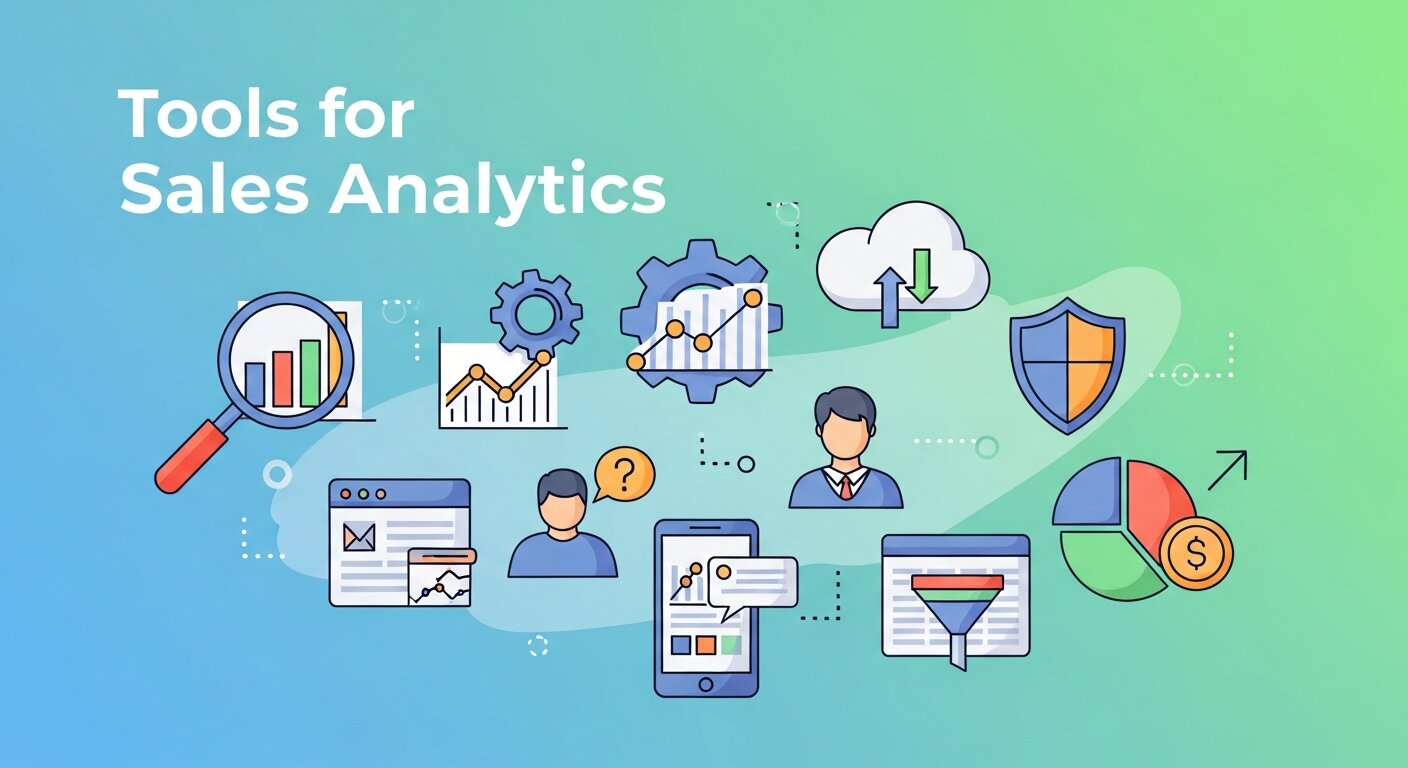
Technology plays a critical role in sales analytics by simplifying data collection, visualization, and reporting. Here are must-have tools for businesses looking to leverage sales analytics.
1. CRM Software
Customer Relationship Management (CRM) systems (such as Salesforce or HubSpot) are designed to provide a central repository of leads, sales activity, and customer interactions. Also, you might receive pre-packaged analytics dashboards with your CRM—that will provide you with actionable insights.
2. Data Visualization Platforms
Tools including Tableau and Power BI turn raw sales numbers into easy-to-read maps, graphs, and dashboards. Not only does visualization increase clarity, it also encourages you to communicate your insights to other teams.
3. Reporting Tools
Overview and reporting tools like Zoho Analytics or Google Data Studio are used to automate the creation of sales reports. They provide ability to monitor historical operational abilities and emerging trends.
How to Implement Sales Analytics
Implementing sales analytics requires a systematic approach to ensure accuracy and effectiveness. Here’s a step-by-step guide to get you started.
1. Set Clear Goals
Define what you want to achieve with sales analytics. Are you looking to improve conversion rates? Shorten your sales cycle? Drive more upselling opportunities? Setting measurable objectives ensures your analytics efforts stay focused.
2. Collect Accurate Data
Use tools like CRMs and analytics platforms to gather reliable data. Train your sales team to input consistent and clean data into your systems to avoid discrepancies.
3. Analyze the Data
Leverage analytics tools to study key metrics and identify trends. Look for actionable insights, such as which leads convert more frequently or which stages of the sales funnel are underperforming.
4. Take Action
Insights mean nothing without action. Update your sales strategies, retrain your team, or adjust your marketing campaigns based on the data you’ve analyzed.
Case Studies: How Analytics Drives Growth
Still wondering about the real-world impact of sales analytics? Here are two examples of how successful businesses have used analytics to drive sales success.
Case Study 1: Reducing Cycle Length
A mid-sized software company struggled with a slow sales process, averaging 60 days to close a deal. By analyzing sales data, they identified that demo requests were stalling at the follow-up stage. Implementing automated follow-ups cut their sales cycle to 30 days, doubling their quarterly revenue.
Case Study 2: Improving Lead Conversion
An online retail brand used analytics to segment customers based on demographics and buying behavior. By tailoring their approach and messaging for each segment, they increased their lead conversion rate by 15%, adding significant revenue to their bottom line.
The Future of Sales Analytics
The sales analytics landscape is evolving faster than ever, and the future looks promising.
AI and Predictive Analytics
Predictive analytics is bringing sales analytics to the AI era. A.I. tools can predict customer behavior, flag at-risk deals, and suggest the best sales strategies.
Real-Time Insights
Introduction of real-time reporting due to data analytics, leading to more informed sales teams. This translates into quicker strategy adjustments and greater adaptability to the trends in customer preference.
Personalization at Scale
And sales analytics will still power hyper-personalization to enable companies to personalize every point of the customer experience in a way that scales.
Enhancing Lead Generation
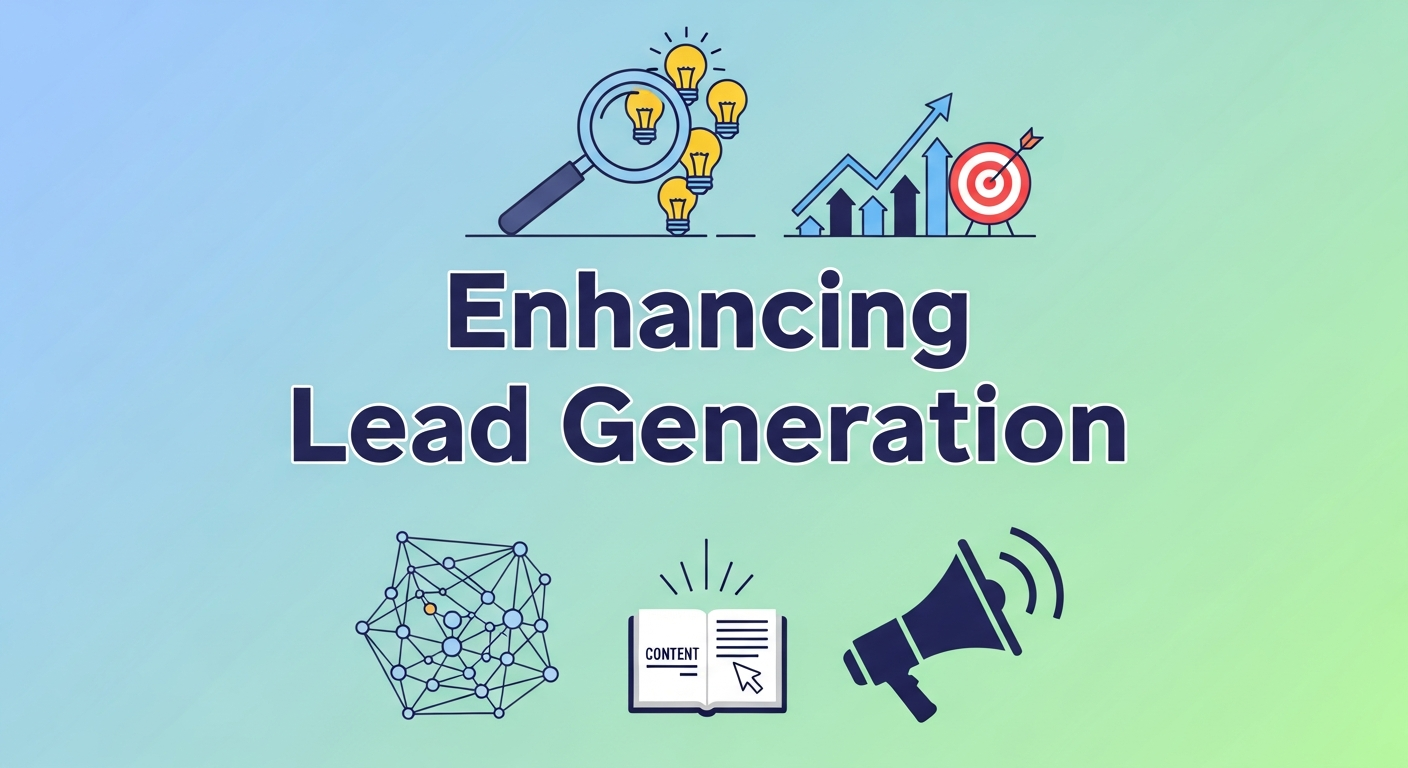
Effective lead generation is the foundation of a successful sales strategy. By analyzing interactions across different channels, businesses can identify the sources of high-quality leads and optimize their efforts accordingly. Integrating social media analytics allows companies to track engagement, measure campaign success, and understand audience behavior. Similarly, web analytics helps uncover which pages or campaigns drive conversions, providing insights for targeting potential customers more effectively. Descriptive analytics enables the team to visualize historical trends and patterns in lead acquisition, empowering data-driven decisions. Overall, combining these insights ensures that resources are focused on strategies that yield the highest returns, improving both efficiency and sales outcomes.
Optimizing Customer Retention
Retaining existing customers is often more cost-effective than acquiring new ones. Sales analytics can identify patterns in customer behavior and preferences that influence loyalty. By leveraging social media analytics, companies can monitor sentiment and engagement to anticipate churn risks. Web analytics helps track repeat visits, product usage, and site interaction trends, highlighting areas needing improvement. Descriptive analytics provides historical context, allowing businesses to understand why past retention efforts succeeded or failed. Together, these insights inform strategies like personalized marketing, reward programs, and timely follow-ups, ensuring higher satisfaction and longer customer lifecycles. Prioritizing retention creates stable revenue streams and strengthens the overall brand-customer relationship.
Improving Sales Forecasting
Accurate sales forecasting is critical for resource allocation and planning. Sales teams can rely on social media analytics to measure trends in demand and campaign responsiveness. Web analytics tracks visitor traffic, conversion rates, and engagement, offering real-time input into projections. Descriptive analytics allows managers to review historical sales data, identifying recurring patterns and seasonal fluctuations. Combining these insights ensures forecasts are more reliable and actionable, helping businesses plan inventory, staffing, and marketing campaigns efficiently. A robust forecasting approach reduces risk, improves decision-making, and increases the probability of meeting revenue targets. By integrating multiple data sources, companies can anticipate market changes before they occur.
Enhancing Marketing Campaigns
Marketing campaigns thrive when informed by data-driven insights. Social media analytics can reveal which types of content resonate most with audiences and which channels yield the highest engagement. Web analytics tracks traffic sources, click behavior, and conversion paths, providing actionable intelligence on campaign performance. Descriptive analytics helps summarize past campaigns, highlighting successes and areas for improvement. By combining these approaches, marketers can refine targeting, messaging, and timing, ensuring campaigns reach the right people with the right content. Data-driven marketing reduces wasted effort, maximizes ROI, and strengthens brand visibility. Continuous learning from analytics ensures campaigns evolve with audience preferences and market trends.
Supporting Product Development
Sales analytics isn’t limited to selling—it can inform product development. By using social media analytics, companies can gauge customer feedback and emerging trends that indicate demand for new features. Web analytics provides data on which products generate the most interest or engagement online. Descriptive analytics allows businesses to analyze historical product performance and purchasing behavior to identify opportunities or gaps in the market. This integrated approach enables product teams to make informed decisions, reduce the risk of failed launches, and prioritize enhancements that truly resonate with customers. Data-driven product development improves innovation, customer satisfaction, and overall competitiveness in the marketplace.
Streamlining Operational Efficiency
Efficient operations are essential for maximizing profitability. Sales analytics can uncover bottlenecks in sales processes or workflows. Social media analytics helps determine which channels are most effective, allowing teams to allocate resources wisely. Web analytics identifies trends in user interactions, highlighting areas where processes can be optimized. Descriptive analytics provides historical context on operational performance, helping managers understand patterns and inefficiencies. By leveraging these insights, businesses can streamline workflows, reduce redundant tasks, and enhance team productivity. Efficient operations ensure that every action contributes directly to revenue, enabling sustainable growth while reducing wasted effort and operational costs.
Measuring Campaign ROI
Understanding the return on investment (ROI) of campaigns is crucial for making strategic decisions. Social media analytics allows businesses to evaluate engagement, conversions, and campaign reach, offering insights into marketing effectiveness. Web analytics tracks website behavior, click-through rates, and conversions, providing additional context for ROI assessment. Descriptive analytics summarizes historical performance, revealing which campaigns delivered value and which underperformed. Together, these tools enable precise measurement of campaign outcomes, helping managers allocate budgets to the most impactful initiatives. By measuring ROI effectively, companies can optimize spending, improve strategy, and justify marketing investments while maximizing the impact of future campaigns.
Unlock Your Sales Potential with Analytics
Sales analytics isn’t a numbers game—it’s about turning the numbers into information that sales managers and reps alike can use to drive productivity and impact the bottom line.
Whether you’re a sales manager striving to drive team performance, an executive who demands to exceed revenue targets, or a rep who wants to close more deals, there is a sales analytics tool or method for you.
Got questions? Want to take the next step? Explore how analytics tools like [Tool Name] can help your team boost efficiency and close more deals.
Stay ahead of the curve and invest in sales analytics today.
FAQ: Sales Analytics
1. What is sales analytics?
Sales analytics is the process of collecting, analyzing, and interpreting sales data to uncover insights that help improve sales strategies, optimize team performance, and drive revenue growth.
2. Why is sales analytics important?
It helps businesses make data-driven decisions, track performance, predict trends, reduce inefficiencies, and increase conversion rates.
3. What key metrics should I track?
Focus on lead conversion rate, sales cycle length, and customer acquisition cost (CAC) to evaluate performance and identify areas for improvement.
4. Which tools are best for sales analytics?
CRM software (like Salesforce or HubSpot), data visualization platforms (Tableau, Power BI), and reporting tools (Zoho Analytics, Google Data Studio) simplify data collection, visualization, and insights.
5. How do I implement sales analytics effectively?
Set clear goals, collect accurate data, analyze key metrics, and act on insights. Continuous monitoring and optimization ensure ongoing improvements.
6. Can small businesses benefit from sales analytics?
Yes! Even small teams can use sales analytics to identify high-value opportunities, streamline processes, and make smarter growth decisions.
7. What’s the future of sales analytics?
AI-driven predictive analytics, real-time insights, and hyper-personalization will make sales analytics more powerful, actionable, and customer-focused.