Today, all decision-making processes are data-driven. Data plays a critical role in any decision process, be it business strategies or choosing which film to watch on Netflix next. However, the terms ‘data analysis’ and ‘data analytics’ are often used interchangeably, causing confusion.
What are the precise meanings of these two terms? How are they different? Why should you care about them? This blog will decode these ideas, reveal their importance and explore how they can contribute to all sorts of industries. By the end, you’re not only understanding data analytics and data analysis completely clearly, but also may even have some opinions on how they can be put to good use. In many cases it does as well!
Understand Data Analytics and Data Analysis
Before we get into the technical details, however, let’s straighten out these two phrases.
What is Data Analysis?
Data analysis is referring to the process of examining raw data to seek trends, patterns and insights. It is taking a look at what has already happened to make some meaning out of it. Think you are peering out the rear-view mirror of a vehicle to understand past events. Learn more about Google Analytics Work with Social Media Platforms.
The Main Targets of Data Analysis
- Find trends and patterns in historical data.
- Uncover what might be out of the ordinary or in some strange place of difficulty.
- Summarize information in meaningful statistics or visualizations.
For example:
Suppose you run a bakery. From last year’s sales data you can observe that croissants sell best on Sundays, while Mondays are similarly good for muffins. This is data analysis on the spot–using a long look back at what has been happening through time to help us see ahead where we are going next.
What is Data Analytics?
Data analytics takes things a step further. It involves employing tools, algorithms and techniques to not just look at data but also predict outcomes, optimize strategies and make recommendations. It is about using what has happened in the past as reference for peering ahead into the future.
The Main Targets of Data Analytics
- Predict future trends based on current and past data.
- To make the process more effective.
- Use information-based insights to make rational judgments.
Example:
If we stick with the example of the bakery. For the data analysis, it has concluded not only will demand for croissants rise on holidays, but also that bringing in one more staff member each day would optimize sales.
Key Difference:
Though both terms are governed by data:
- Data analysis is about understanding the past (What happened? Why did it happen?).
- Data analytics is based on using that knowledge to make future choices (What will happen? How can we make it happen?).
Types of Data Analysis
Data analysis can be divided into several different types, each catering for specific goals (rather than generic data analysis alone).
1. Descriptive Analysis
This is all about searching for patterns in historical data so that the “what happened?” question can be answered.
Example:
Analyzing monthly website traffic to discover that the most popular user visit times are mid-week.
2. Diagnostic Analysis
Strips away the surface to deeper “why” of trends or changes.
Example:
If website visits are off one month, then diagnostic analysis may reveal that a rival has launched a new campaign.
3. Predictive Analysis
In Predictive Analysis, using historical BIGDATA and an algorithm, future events are foreseen.
Example:
Predicting sales trends during the Chinese New Year holiday, based on previous years’ patterns of development.
4. Prescriptive Analysis
The most advanced kind, prescriptive analysis offers recommendations for action.
Example:
When future sales forecasts are available, recommending specific pricing strategies or marketing campaigns.
The Four Types of Data Analytics
Like the previous data analytics methodologies, diagnostic analytics often come from the latest techniques and technologies. These approaches are generally divided into four pillars:
1. Diagnostic Analytics
Just as diagnostic analysis sets out to understand the reasons for changes in observed trends? It uses techniques like correlation analysis and data mining.
2. Predictive Analytics
Statistics and machine learning are often used in predictive analytics. Companies predict outcomes through this method and make proactive decisions based on them.
3. Prescriptive Analysis
This is predictive analysis taken further, an actual move or strategy based on the predictions. For instance, it may offer recommendations for discounting a product to clear inventory. In this sense we might call it “Data Racing: When And what You Need It”.
4. Cognitive Analytics
This is the role artificial intelligence (AI) plays in cognitive analytics. Cognitive analytics gives intelligent analyses that are very human-like, as you’ve seen with voice assistants and chat bots. All of these five methods can be further studied in the next step of organizational management.
How Data Analytics And Analysis Matter
Now you understand what these things are, you might wonder why they’re receiving so much attention. Here’s why they’re crucial in shaping industries today:
Data Analytics and Analysis: Breaking Down Silos
Data analytics and analysis enable stakeholders to align their decisions along the lines of facts, rather than mere guesses – thus ensuring better success rates for decisions. Covering the entire pay per view chain in detail including introducing new participants.
Elevated Personalization
From targeted advertising to tailored recommendations, data analytics personalized user experiences. This creates stronger customer loyalty.
Proactive Prediction
Organizations adept in these areas are able to. This makes them better than others at predicting market fluctuations and consumer behavior.
Rationalize Costs
Enterprises that perform data analysis can uncover the sources of inefficiencies and allocate resources more effectively—saving money while gaining insights at a glance.
Content: Practical Applications of Data Analytics
1. Retail
- Energy saving through recommendation engines.
- Consumer shopping experiences are increasingly personal.
2. Healthcare
- Forecasting the number of patient admissions to enable resource allocation.
- Better treatment is possible with better diagnoses and plans for treatment.
3. Finance
- Fraud recognition using machine learning algorithms.
- Customized investment advice for individual customers.
- Will MBA Keep Rising In Persons who want increased levels?
- Will MBA Keep Rising In Affordable And every conceivable circumstance
4. Marketing
- Identifying specific market segments – who they are, where they live, what interests them – is a necessary preparation for tailored advertising.
- Measuring advertising performance to improve future efforts.
5. Supply Chain
- Predict demand so excess inventory won’t have to be sold off at a loss.
- Improve supply chain processes by finding their weak links.
Leveraging Customer Insights for Smarter Decisions
Understanding your audience is no longer optional; it’s essential for driving growth. By collecting and analyzing customer behavior, purchase patterns, and engagement data, businesses can tailor products, services, and marketing strategies to individual needs. Platforms designed for aggregating customer information allow organizations to segment audiences effectively, identify high-value prospects, and create more relevant campaigns. This kind of insight also enables predictive modeling, helping businesses anticipate trends and adjust their offerings proactively. Integrating these strategies improves customer satisfaction and boosts retention rates, ultimately translating insights into actionable business strategies. Using structured data to guide decisions ensures a higher ROI across marketing and operational efforts.
Accelerated Learning for Data Professionals
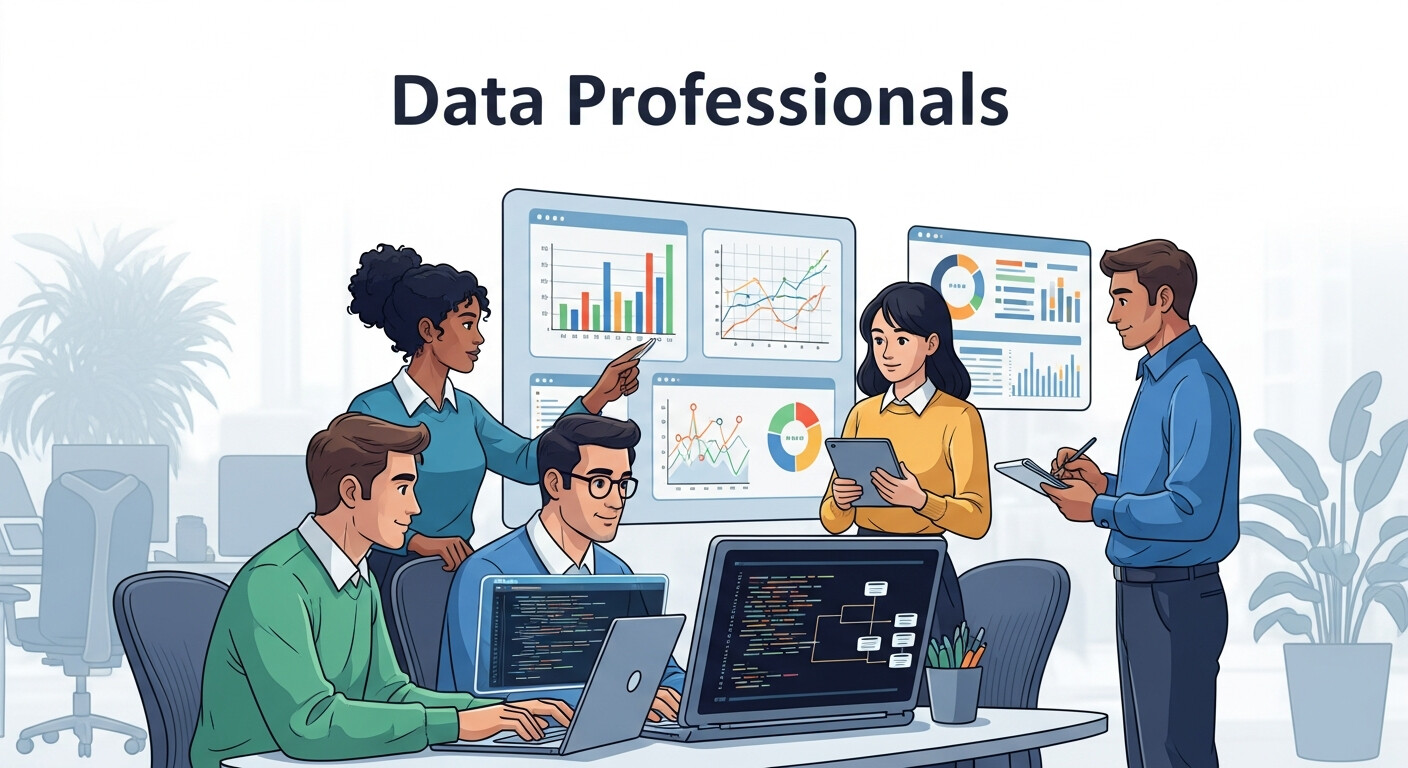
Intensive training programs focused on data skills help professionals quickly gain the expertise needed to excel in data-driven roles. By participating in immersive bootcamps, learners develop hands-on experience with tools, statistical methods, and real-world datasets, allowing them to bridge theory with practice. These programs emphasize practical exercises in data cleaning, visualization, and analysis, while also exploring advanced topics like predictive modeling and machine learning. Participants benefit from project-based learning, mentorship, and collaboration with peers, which accelerates skill acquisition. Graduates can confidently tackle complex analytics problems, interpret data accurately, and make informed business decisions. Such programs serve as a fast track for those pursuing careers in data science and analytics.
Optimizing Marketing Campaigns Through Analytics
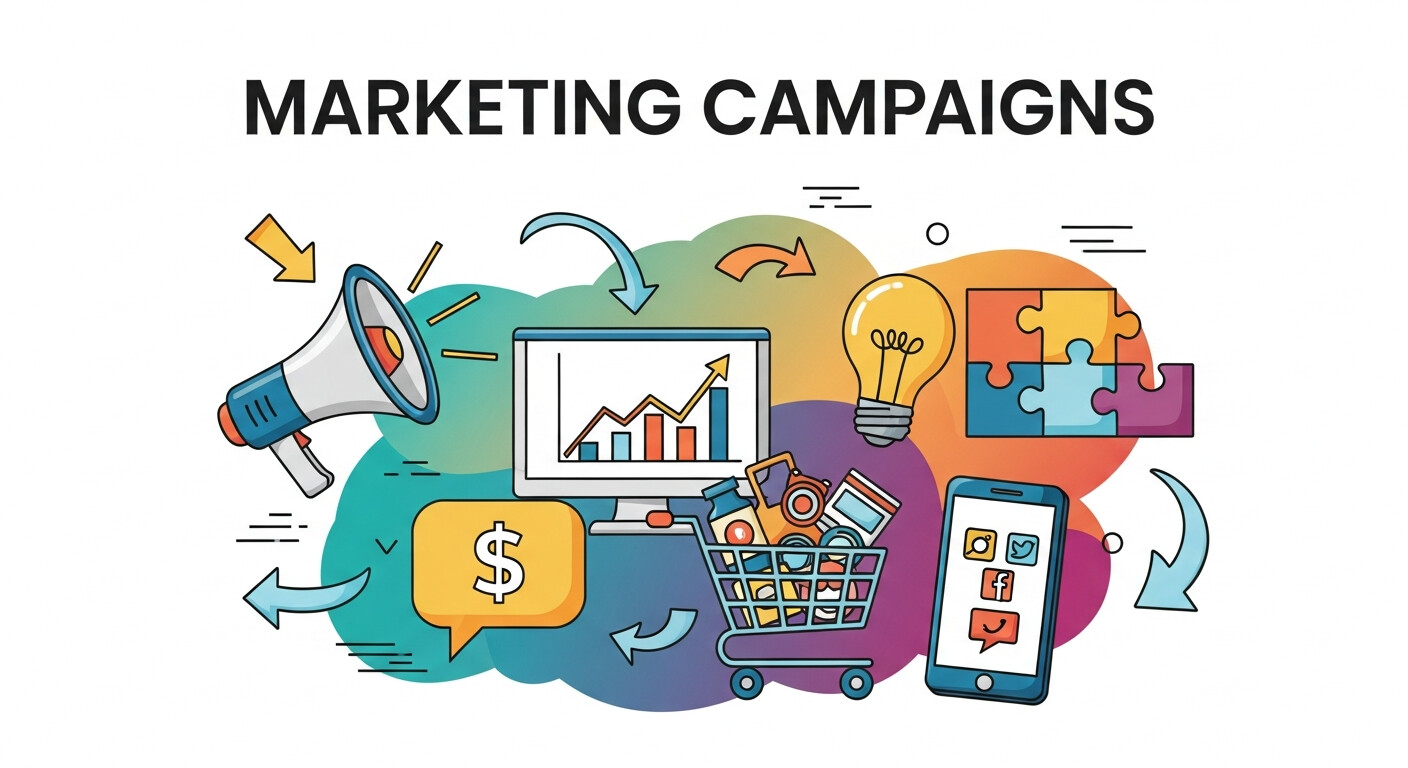
Modern marketing relies heavily on data to understand campaign performance and refine strategies. By analyzing user interactions, engagement metrics, and sales conversions, businesses can pinpoint which campaigns deliver the most value and which need adjustments. Leveraging analytics allows marketers to identify audience segments, optimize messaging, and allocate budgets more effectively. Predictive models can forecast which tactics are likely to generate higher conversions, while attribution analyses reveal the channels driving results. Continuous monitoring and adaptation ensure campaigns stay relevant in a fast-moving digital landscape. Data-driven marketing decisions reduce waste, increase efficiency, and maximize ROI, making analytics an indispensable part of strategic planning and brand growth.
Streamlining Operations with Actionable Insights
Data-driven decision-making extends beyond marketing, playing a vital role in optimizing day-to-day operations. By analyzing workflows, resource allocation, and process efficiencies, organizations can identify bottlenecks and reduce inefficiencies. Operational analytics also allow companies to forecast demand, plan inventory, and allocate staff effectively, saving time and reducing costs. Advanced platforms provide real-time dashboards, enabling teams to make decisions quickly and respond to issues proactively. When combined with predictive analytics, organizations can anticipate challenges before they occur and implement preventive strategies. Using data insights in operations improves productivity, enhances service delivery, and ensures resources are utilized optimally, supporting overall organizational performance and competitiveness.
Harnessing the Strength of Data Now
Though data analytics and data analysis are to be distinguished, they have a symbiotic relationship in confronting the challenges of today and tomorrow. Both provide unprecedented insights and capabilities to forecast the future.
When used properly, the potential of data is limitless. Whether that means making operations more efficient or improving customer engagement, the time is now. Integrate these two sets of methodologies into your company structure.
Wondering where to begin?
Checkout tools like Tableau, Google Data Studio or Python for a quantitative data analysis experience. Set goals, try taking small steps and ladder on as you learn.
Frequently Asked Questions (FAQ)
What is the main difference between data analysis and data analytics?
The main difference lies in their focus and purpose. Data analysis is concerned with examining historical data to understand what happened and why it happened. Data analytics goes beyond that by using data, tools, and algorithms to predict future outcomes, optimize processes, and support decision-making. In simple terms, data analysis looks backward, while data analytics looks forward.
Is data analysis a part of data analytics?
Yes, data analysis is a core component of data analytics. Data analytics includes data collection, data analysis, prediction, and recommendation-making. Without proper data analysis, data analytics would lack the foundational insights needed to build accurate models and forecasts.
Which is more important: data analysis or data analytics?
Neither is more important than the other; they serve different but complementary purposes. Data analysis helps organizations understand past performance, while data analytics helps them plan for the future. Together, they enable smarter, data-driven decisions across industries.
Do small businesses need data analytics, or is data analysis enough?
Small businesses can benefit greatly from both. Data analysis helps identify trends and inefficiencies using existing data, while data analytics allows businesses to forecast demand, optimize pricing, and improve customer experiences. Even basic analytics tools can deliver significant value when used correctly.
What skills are required for data analysis and data analytics?
Data analysis typically requires skills such as data cleaning, statistical analysis, and data visualization. Data analytics additionally demands knowledge of predictive modeling, machine learning concepts, and analytical tools like Python, R, or business intelligence platforms. Both roles benefit from strong problem-solving and critical-thinking abilities.
What tools are commonly used for data analysis and data analytics?
Common tools include Excel, SQL, Tableau, Power BI, Google Analytics, Python, and R. Data analysis often relies on visualization and reporting tools, while data analytics incorporates advanced platforms that support modeling, automation, and predictive insights.
How are data analytics and data analysis used in real-world industries?
They are widely used across industries such as retail, healthcare, finance, marketing, and supply chain management. Organizations use them to forecast demand, personalize customer experiences, detect fraud, optimize operations, and improve strategic planning based on reliable data insights.
Can data analytics help predict future trends accurately?
Data analytics can significantly improve the accuracy of predictions by analyzing historical and real-time data using statistical models and machine learning. While predictions are never perfect, data analytics reduces uncertainty and enables organizations to prepare for future scenarios more effectively.
Is learning data analytics difficult for beginners?
Learning data analytics can feel challenging at first, but it becomes manageable with a structured approach. Starting with basic data analysis concepts, gradually learning tools, and practicing with real-world datasets helps beginners build confidence and skills over time.
Why is data-driven decision-making important today?
Data-driven decision-making minimizes guesswork and enables organizations to make informed, objective choices. In a competitive and fast-changing environment, leveraging data analytics and data analysis helps businesses adapt quickly, reduce risk, and uncover opportunities for growth.